English

How to Choose the Right Jaw Crusher for Your Project
A jaw crusher is the most widely used primary crusher in mining, quarrying, aggregate production, and recycling applications. However, selecting the right jaw crusher is not simply a matter of choosing the largest model available.
The wrong crusher can lead to low productivity, excessive wear, high operating costs, and frequent maintenance issues.
So, how do you choose the right jaw crusher?
The answer depends on five key factors:
• Material type
• Feed size
• Required capacity
• Desired output size
• Plant configuration
In this guide, we’ll explain how to select the best jaw crusher for your project and avoid common purchasing mistakes.
What Is a Jaw Crusher?
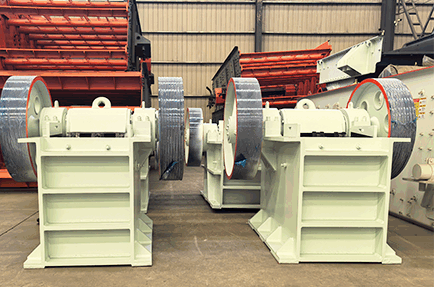
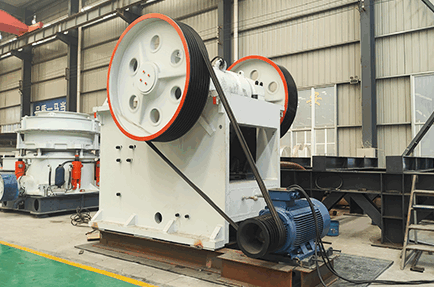
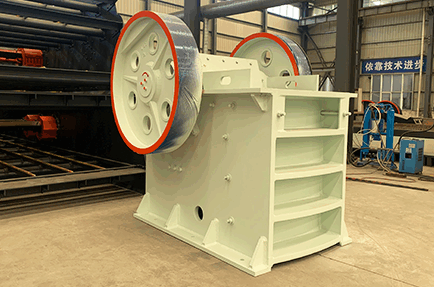
A jaw crusher is a primary crushing machine that reduces large rocks and ores through compression.
The machine consists of:
• Fixed jaw plate
• Moving jaw plate
• Eccentric shaft
• Toggle plate
• Frame assembly
As the moving jaw approaches the fixed jaw, material is crushed. The crushed material exits through the discharge opening at the bottom of the chamber.
Jaw crushers are widely used for:
• Granite crushing
• Basalt crushing
• Limestone crushing
• River stone processing
• Mining operations
• Construction waste recycling
Why Choosing the Right Jaw Crusher Matters
Many buyers focus only on equipment price.
However, crusher selection directly affects:
• Production efficiency
• Wear part consumption
• Energy consumption
• Final product quality
• Future expansion capability
A properly selected crusher can significantly reduce operating costs throughout the life of the plant.
Factor 1: Material Type
The first consideration is the material you intend to crush.
Different rocks have different hardness levels.
Hard Materials
Examples:
• Granite
• Basalt
• Quartz
• Iron ore
These materials require:
• Heavy-duty jaw crushers
• Stronger frames
• High-strength jaw plates
Medium-Hard Materials
Examples:
• River stone
• Dolomite
• Andesite
Most standard jaw crushers can process these materials effectively.
Soft Materials
Examples:
• Limestone
• Coal
• Gypsum
Jaw crushers can handle soft materials, but in some cases impact crushers may offer better economics.
Factor 2: Feed Size
The maximum feed size is one of the most important selection criteria.
The crusher feed opening must be large enough to accept the largest rock entering the system.
Typical examples:
|
Feed Size |
Recommended Jaw Crusher |
|
≤ 500 mm |
PE600×900 |
|
≤ 650 mm |
PE750×1060 |
|
≤ 800 mm |
PE900×1200 |
|
≤ 1000 mm |
Large European Jaw Crusher |
Choosing a crusher with an undersized feed opening often causes:
• Bridging
• Reduced productivity
• Increased wear
• Higher downtime
Factor 3: Capacity Requirements
Production capacity is usually measured in tons per hour (TPH).
Typical capacity ranges include:
|
Capacity |
Recommended Application |
|
50–100 TPH |
Small quarry |
|
100–300 TPH |
Medium aggregate plant |
|
300–600 TPH |
Large quarry |
|
600+ TPH |
Mining operations |
Always select equipment with sufficient reserve capacity to handle fluctuations in feed conditions.
Factor 4: Required Output Size
The desired discharge size affects crusher selection.
Typical primary jaw crusher outputs:
• 0–100 mm
• 0–150 mm
• 0–200 mm
If finer output is required, a secondary crusher may be necessary.
Common secondary crushing equipment:
• Cone crusher
• Impact crusher
• Fine jaw crusher
Factor 5: Fixed or Mobile Crushing Plant
Today’s buyers often choose between stationary and mobile crushing solutions.
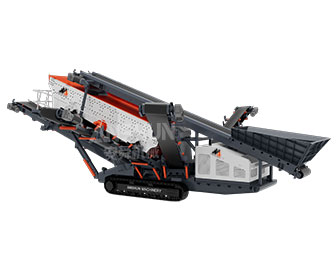
Stationary Jaw Crusher Plant
Best for:
• Long-term quarry operations
• Mining projects
• High-capacity production
Advantages:
• Lower equipment cost
• Higher long-term productivity
• Easier expansion
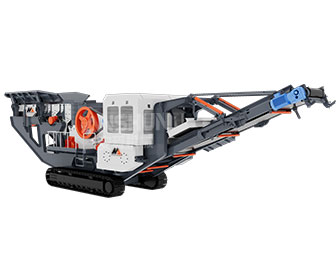
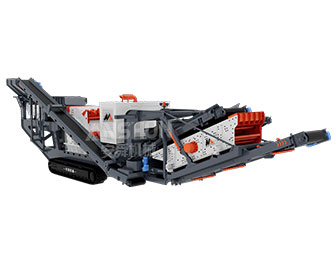
Mobile Jaw Crusher Plant
Best for:
• Construction waste recycling
• Contract crushing
• Temporary projects
Advantages:
• Fast setup
• Easy relocation
• No foundation required
PE Jaw Crusher vs PEX Jaw Crusher vs European Jaw Crusher
Many buyers are unsure which jaw crusher series to choose.
PE Jaw Crusher
Features:
• Primary crushing
• Large feed opening
• Mature design
• Cost-effective investment
Best for:
• Quarry production
• Mining projects
• Aggregate plants
PEX Jaw Crusher
Features:
• Fine crushing
• Smaller discharge size
• Narrow crushing chamber
Best for:
• Secondary crushing stages
• Fine aggregate production
European Jaw Crusher
Features:
• Optimized chamber design
• Higher throughput
• Stronger frame structure
• Better energy efficiency
Best for:
• Hard rock crushing
• Large-scale production
• High-performance applications
Common Mistakes When Buying a Jaw Crusher
Choosing Based Only on Price
The cheapest machine is rarely the most economical over its lifetime.
Ignoring Material Hardness
Hard materials require stronger equipment and wear parts.
Underestimating Future Capacity
Many plants expand production after several years.
Selecting equipment with growth potential can reduce future investment.
Choosing the Wrong Plant Type
A stationary crusher may be ideal for a quarry, while a mobile crusher is often better for recycling projects.
Recommended Jaw Crusher by Application
Granite Crushing
Recommended:
• European Jaw Crusher
• Heavy-duty PE Jaw Crusher
Limestone Crushing
Recommended:
• PE Jaw Crusher
Mining Operations
Recommended:
• Large European Jaw Crusher
Construction Waste Recycling
Recommended:
• Mobile Jaw Crusher Plant
Frequently Asked Questions
What size jaw crusher do I need?
It depends on feed size, capacity requirements, and material type.
Which jaw crusher is best for granite?
A heavy-duty PE or European jaw crusher is typically recommended.
What is the difference between PE and PEX jaw crushers?
PE crushers are designed for primary crushing, while PEX crushers are designed for secondary and fine crushing.
Is a mobile jaw crusher worth it?
For projects requiring frequent relocation, mobile jaw crushers often provide significant cost savings.
Conclusion
Choosing the right jaw crusher requires careful consideration of material characteristics, feed size, production capacity, output requirements, and plant type.
The best jaw crusher is not necessarily the largest or most expensive model—it is the machine that delivers the lowest operating cost and highest productivity for your specific application.
Get Expert Jaw Crusher Recommendations
Not sure which jaw crusher is right for your project?
Send us the following information:
• Material type
• Maximum feed size
• Required capacity (TPH)
• Final product size
• Fixed or mobile preference
Our engineers will recommend the most suitable jaw crusher solution and provide a free quotation.
Need Equipment?
If you want to know more details about equipment, solutions, etc, please click the button below for free consultation, or leave your requirements!