English

Construction Waste Recycling Solutions
Capacity Range: 60-800 TPH. Designed for urban construction waste recycling, centralized waste treatment facilities, and on-site resource recovery at demolition projects.
-
300+
Recycling Projects
-
40+
Countries
-
15yr
Experience
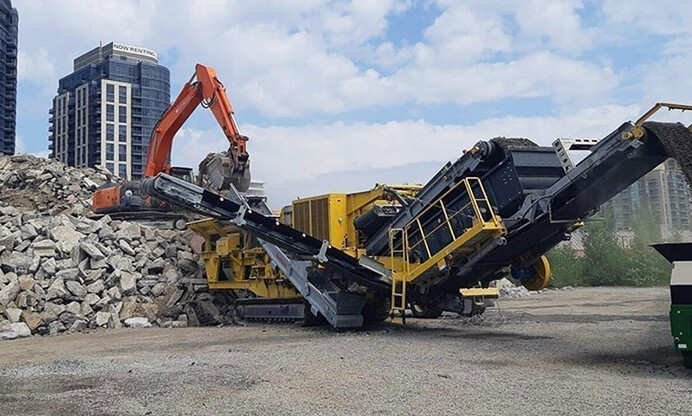
Customer Pain Points
Mixed Contaminants - Rebar, Timber, Plastic
Demolition waste containing steel, wood, and plastic debris is difficult to pre-sort, reducing crushing efficiency and increasing wear on equipment.
Scattered Sites, Difficult to Relocate
Fixed crushing plants cannot follow dispersed demolition sites — temporary site setup takes too long and increases idle equipment time between projects.
Recycled Aggregate Quality Limitations
High mud content and lower compressive strength in recycled aggregate restrict its use in high-specification structural and engineering applications.
Recommended production line
Typical Solution: 300–500 TPH Construction Waste Recycling Plant
-
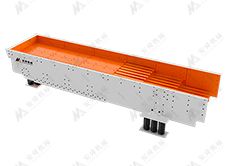
Vibrating Feeder
-
Large-Feed Impact Crusher
-
Magnetic Separator
-
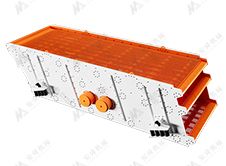
Vibrating Screen
-
Conveyor System
-
Production Capacity
300–500 t/h
-
Max Feed Size
≤900 mm
-
Output Size
0-10 mm, 10-30 mm
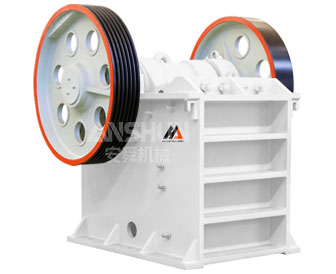
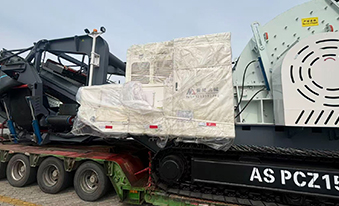
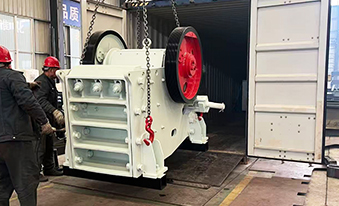
Core Equipment for this Solution
FAQ
Can Your Crushers Process Reinforced Concrete With Steel Rebar?
Our CF series impact crusher features an anti-wrap rotor design that handles rebar-containing demolition concrete without rotor tangling. We also recommend installing a magnetic separator on the discharge conveyor to remove broken rebar from the recycled aggregate output.
What Recycled Aggregate Products Can be Produced from Construction Waste?
Processed construction waste typically produces recycled coarse aggregate (10–31.5mm) for road sub-base and fill, recycled fine aggregate (0–5mm) for non-structural concrete, and mixed fines for land reclamation. Final product quality depends on the composition and cleanliness of the input material.
Is a Mobile or Fixed Crushing Plant Better for Construction Waste Recycling?
Mobile plants are strongly preferred for construction waste recycling — demolition sites change location, and the ability to drive the crusher directly to the debris eliminates costly long-haul transportation of heavy rubble. A wheeled mobile plant can be operational on a new demolition site within hours.
Do Recycled Aggregates from Your Process Meet Construction Standards?
The crushed and screened output meets the gradation requirements of most national recycled aggregate standards when input material is reasonably clean concrete and masonry. For projects with strict specification requirements, we recommend laboratory testing of your specific demolition waste before committing to a production line design.