English

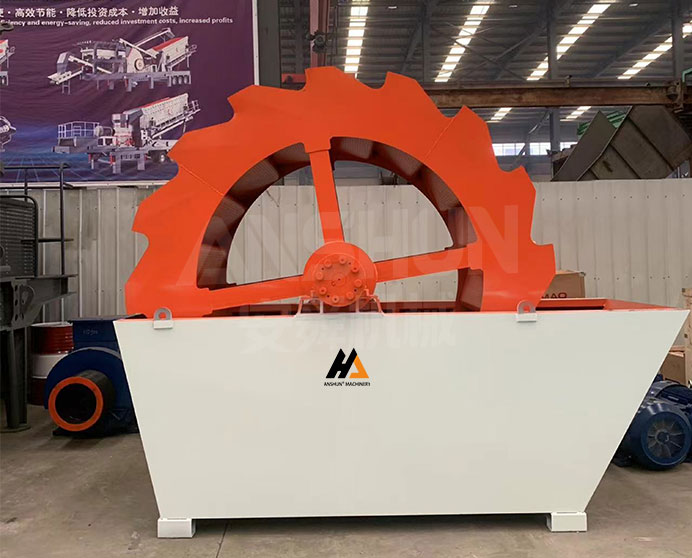
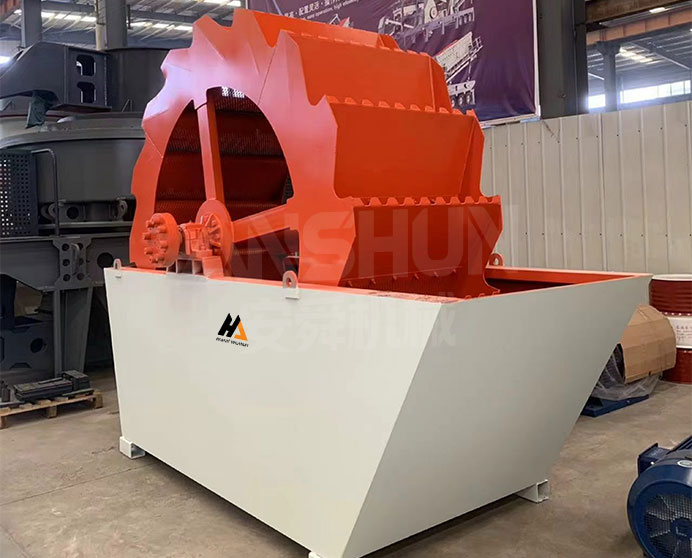
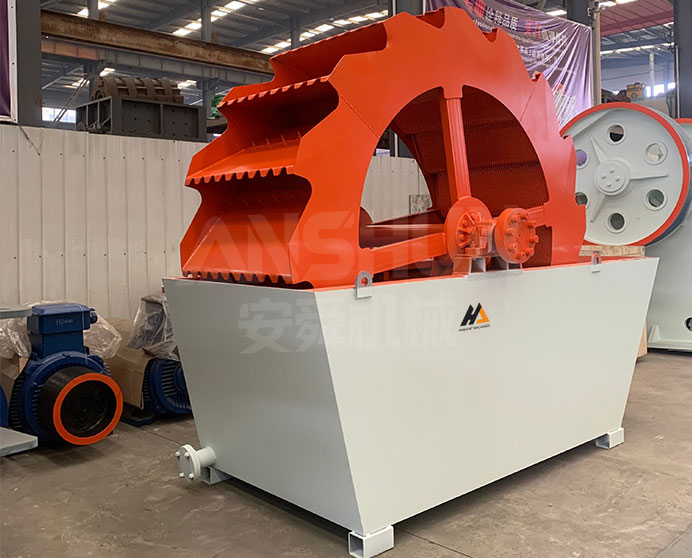
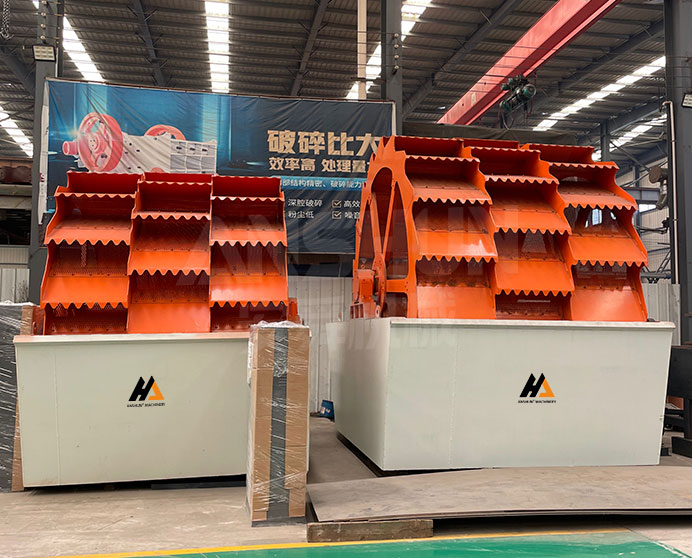
Wheel Sand Washing Machine
Model: XSD Series · Sand Washing · Sand & Aggregate
-
Feed Size
≤10mm
-
Capacity
30-160t/h
-
Power
11-18.5kw
- ISO9001
- CE
- EAC
We reply within 24 hours
Product Overview
What is a Wheel Sand Washing Machine?
The XSD wheel sand washing machine is a large-impeller, water-bath aggregate washer designed to clean 0–10 mm natural sand, manufactured sand, and crusher fines before they enter concrete, asphalt, or mortar production. Material enters the inclined tank, where the rotating impeller agitates the slurry and lifts washed product over the discharge lip while fines and clay overflow the adjustable weir.
Four standard models – XSD2816, XSD3021, XSD3024, and XSD3624 – cover capacity requirements from 30 t/h for small quarry or recycling applications up to 160 t/h for large aggregate plants. The wheel washer is the preferred fine-aggregate cleaning solution for natural river sand, VSI crusher fines, and C&D recycled fines where product shape preservation and low fines loss are priorities.
Applicable Materials
River sand, Sea sand, Mountain sand, VSI crusher fines, Granite sand, Limestone sand, Recycled concrete fines, Slag fines, Quartz sand
Industries
Aggregate & Concrete Sand Production, Quarry Crusher-Sand Plant, Highway & Railway Engineering, Ready-Mix Concrete & Mortar Manufacturing, C&D Waste Recycling, Dry-Mortar Production
Technical Specifications
|
Model |
XSD2816 |
XSD3021 |
XSD3024 |
XSD3624 |
|
Impeller Specification(Outside Diameter Width) |
φ2800×1600 |
φ3000×2100 |
φ3000×2400 |
φ3000×2400 |
|
Impeller Speed(mm) |
1.177-2.47 |
1.62-2.47 |
1.62-2.47 |
1.179-2.47 |
|
Max Feed Lump Size(mm) |
10 |
10 |
10 |
10 |
|
Capacity(t/h) |
30~60 |
80~130 |
90~160 |
90~160 |
|
Power(kw) |
11 |
15 |
15 |
18.5 |
|
Decelerator Model |
ZQ60-50-I-z |
ZQ400+ZQ250 |
ZQ500+ZQ250 |
ZQ650+ZQ400 |
|
Overall Dimension(L×WxH)(mm) |
3540×3000×2880 |
3830×3480×3050 |
3830×3800×305 |
4460×4350×3658 |
Key Features & Advantages
-
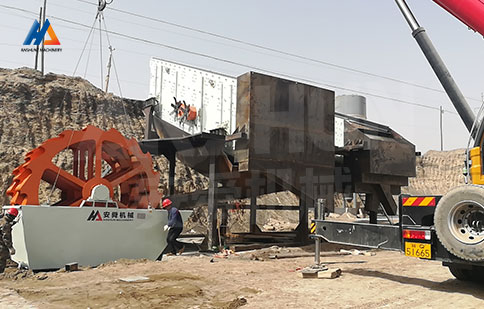
High-Efficiency Bucket Wheels
The bucket wheel continuously rotates in the washing tank to agitate, wash, and lift the sand, effectively removing clay, silt, and other unwanted fine impurities with the water flow. The gentle washing process minimizes unnecessary particle degradation while maintaining the cleanliness and quality of the finished sand.
-
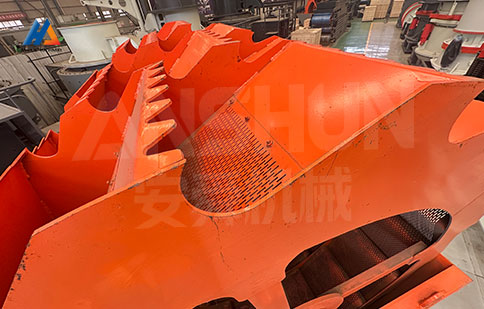
Sealed Bearing Assembly
The bearing housing is fully isolated from the water-and-slurry environment by multi-stage sealing, eliminating water ingress and greatly extending bearing service life versus open-housing designs.
-
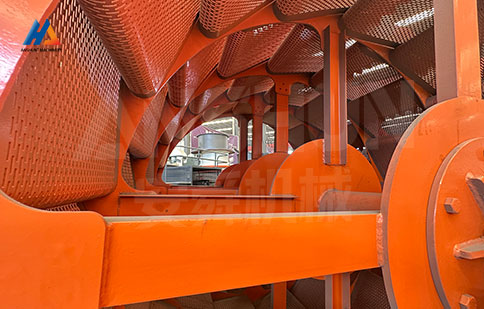
Adjustable Overflow Weir
The height-adjustable overflow weir plate allows operators to control the fineness modulus of the washed product and fine-material recovery rate without stopping the machine.
-
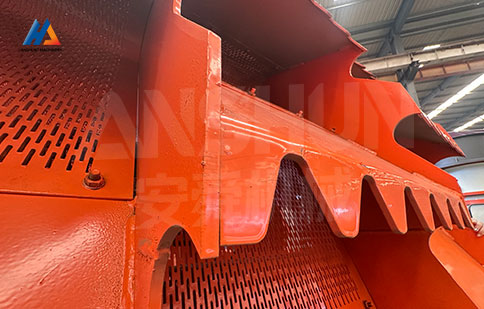
Robust Welded Steel Frame
The heavy-duty welded frame provides high rigidity and stability under continuous operation. All wetted structural members are treated with corrosion-resistant coatings.
-
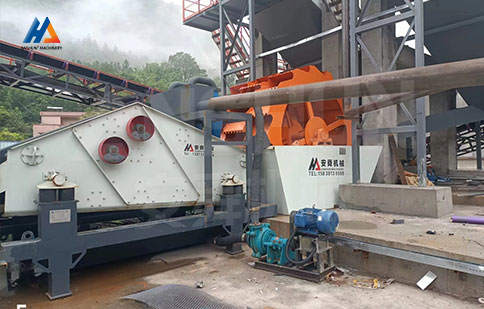
Low Power Consumption
The deceleration drive system transmits torque at high efficiency, keeping unit power consumption (kWh/t) low even at maximum feed rate, reducing operating cost across the full model range.
What Is the Working Principle of the Wheel Sand Washing Machine?
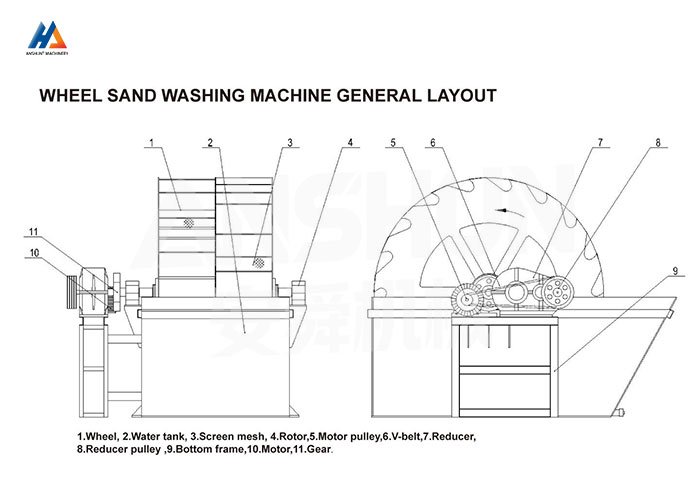
Feed material is charged into the lower end of the inclined tank through the feed chute. The motor drives the impeller shaft through the deceleration gearbox, rotating the impeller at low speed. The lifting buckets on the impeller scoop sand upward through the wash water, agitating the material to dislodge clay, silt, and soluble impurities. Contaminated wash water - carrying fine clay and organic particles - overflows the adjustable weir at the rear of the tank and discharges to the settling pond.
Clean, washed sand is lifted by the buckets to the discharge elevation, where it drains briefly before falling onto the product conveyor. The weir height controls the overflow level: raising the weir retains finer material in the product; lowering it increases fines rejection and produces a cleaner, coarser output. The sealed bearing assembly prevents wash-water ingress throughout the cycle, and the toggle-plate style drive protects the gearbox from shock loads caused by tramp material.
FAQ
What is the difference between a wheel sand washer and a spiral (screw) sand washer?
A wheel washer uses a large impeller fitted with lifting buckets that scoop washed sand out of the water tank and discharge it over a screen. It is simpler in construction and gentler on the product, making it preferred for soft-to-medium hardness natural sand. A screw washer uses a helical flight to convey and drain sand; it handles higher throughput but may produce slightly more fines loss. Both types are available in our lineup – contact us to match the right washer to your application.
How much fine sand is lost during washing?
Fine-sand loss depends on overflow weir setting, feed gradation, and target product spec. With the adjustable weir set conservatively, the XSD series typically loses 5–15% of the sub-0.15 mm fraction – unavoidable material that would otherwise raise MB value. For applications requiring fine-material recovery, pair the wheel washer with a fine-sand recovery unit (hydrocyclone + dewatering screen).
Can the XSD series handle high-clay or high-silt feeds continuously?
Yes. The open-tank design allows slurry overflow to drain freely, preventing clay build-up in the washing zone. For feeds with clay content exceeding 15%, we recommend pre-washing or pre-screening to protect the deceleration drive and extend bearing service intervals
Is On-site Commissioning Support Available?
Remote commissioning support via video call is included at no charge. On-site engineer dispatch is available as an optional paid service — lead time and cost depend on location. Please discuss before purchase.