English

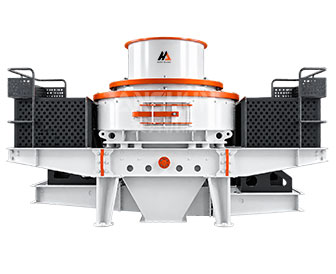
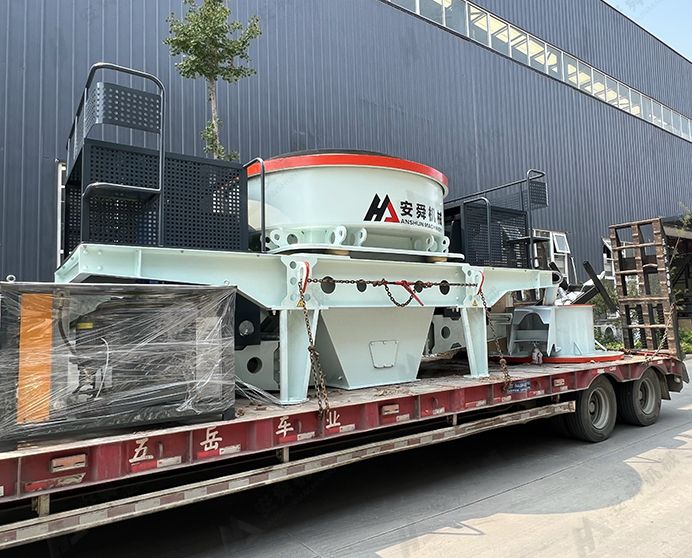
VSI Sand Making Machine
Model: VSI Series · Sand Making · Hard Rock & Aggregate
-
Capacity
120-520t/h
-
Feed Size
≤50mm
-
Power
110-400kw
- ISO9001
- CE
- EAC
We reply within 24 hours
Product Overview
What is a VSI Sand Making Machine?
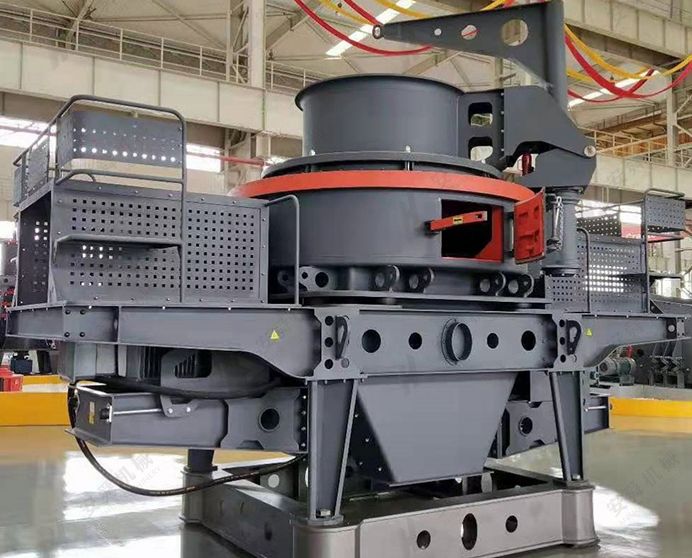
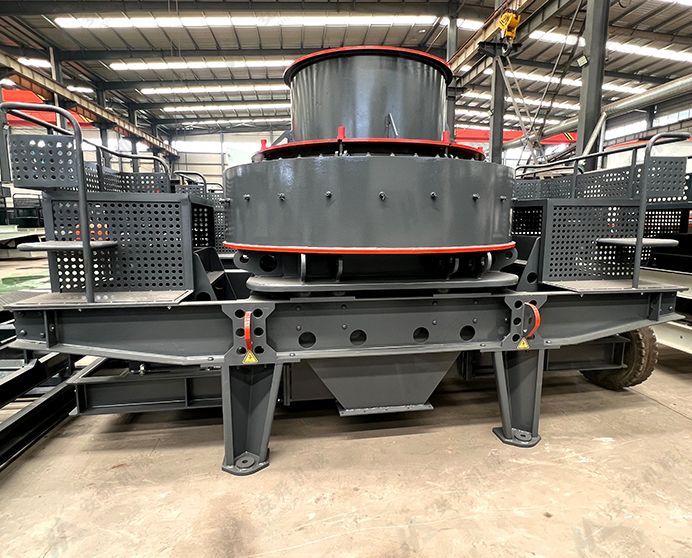
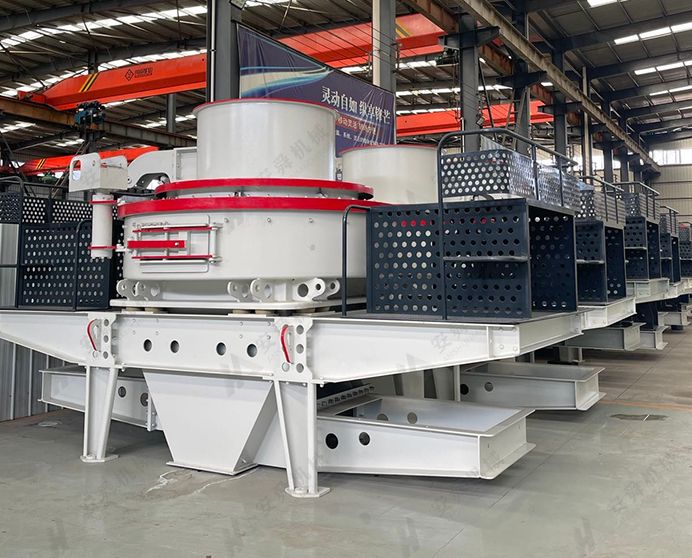
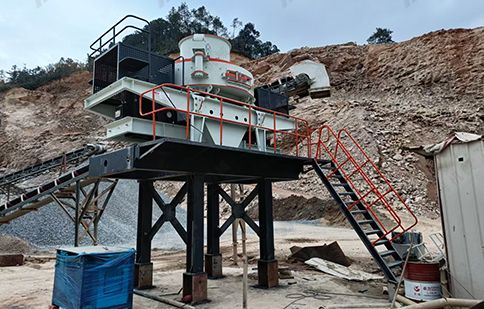
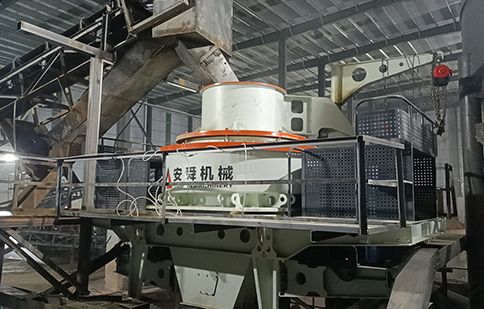
The VSI (Vertical Shaft Impact) sand making machine produces manufactured sand and shaped aggregate through high-velocity impact crushing. Feed material is accelerated through a high-speed rotor and projected against a surrounding rock-lined autogenous bed or anvil ring, fracturing along natural cleavage planes to produce cubical, well-graded particles – the shape and gradation characteristics that conventional jaw and cone crushers cannot consistently deliver.
The VSI series supports two feed modes: combined centre-and-side feeding for maximum throughput (120–520 t/h), and centre-only feeding for finer, more controlled output (60–260 t/h). Four models – VSI7611 through VSI1140 – cover feed sizes from 35 mm up to 50 mm and dual-motor power from 2×55 kW to 2×200 kW, scaling from mid-size aggregate plants to large manufactured sand production lines.
Applicable Materials
Limestone, Granite, Basalt, River pebble, Quartzite, Dolomite, Soft-to-hard rock ≤350 MPa.
Industries
Manufactured Sand Production, Aggregate Shaping, Concrete & Asphalt Mix Plants, Highway, Railway & Hydraulic Engineering, Glass & Industrial Mineral Processing.
Technical Specifications
|
Model |
Processing Capacity(t/h) |
Best Feed Size (mm) |
Rotation Speed(r/min) |
Motor Power(kw) |
Dimension LxWxH(mm) |
Power Source |
Vibrating Sensor |
Lubricating Hydraulic Station |
|||||
|
Feed at Center & Sides |
Center Feeding |
Soft Material |
Hard Material |
Oil Pump Motor Power |
Safety Assurance |
Dimension LxWxH(mm) |
Power of Oil Tank |
||||||
|
VSI7611 |
120-180 |
60-90 |
35 |
35 |
1700-1890 |
2×55 |
3700×2150×2100 |
380V.50HZ |
Monitoring Range:0.1-20mm/s Detect Tange: 0.1-20mm/s Continous And Adjustable |
0.75KW |
Double oil pumps complement each other to ensure oil supply: automatic shutdown without oil flow or oil pressure; water cooling for cooling; motor heating start in winter |
820×520 x 1270 |
2KW |
|
VSI8518 |
200-260 |
100-130 |
40 |
40 |
1520-1690 |
2×90 |
4140×2280×2425 |
||||||
|
VSI9526 |
300-380 |
150-190 |
45 |
45 |
1360-1510 |
2×132 |
4560×2447×2778 |
||||||
|
VSI1140 |
450-520 |
225-260 |
50 |
50 |
1180-1310 |
2×200 |
5000×2700×3300 |
||||||
Key Features & Advantages
-
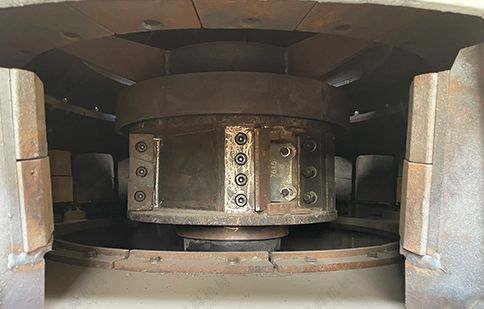
Dual Feed Mode - Throughput or Precision, Operator's Choice
Combined centre-and-side feeding maximises rotor loading and throughput - up to 520 t/h on the VSI1140. Centre-only feeding routes all material through the rotor's central eye for more controlled particle-on-particle impact, producing finer output with tighter gradation. Operators select mode based on the day's production target.
-
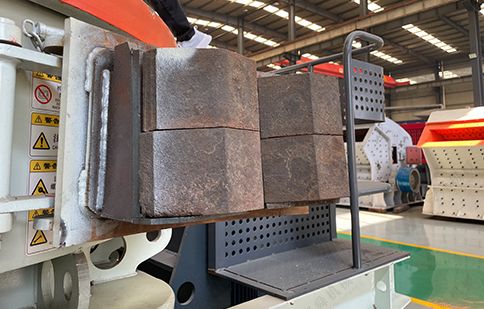
Rock-on-Rock Autogenous Crushing - Extended Wear Life
Feed material forms a protective lining inside the rotor passages and the surrounding rock bed. Material impacts material rather than metal, dramatically reducing rotor and anvil wear on abrasive feed - lowering wear part cost per ton compared to rock-on-iron designs.
-
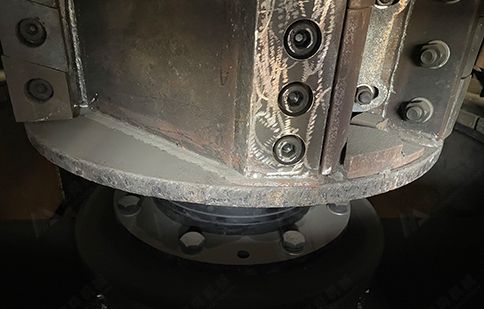
Dual-Motor Drive - Consistent Rotor Speed Under Variable Load
All four models use a dual-motor drive configuration. Two motors share the rotor load, maintaining consistent tip speed through feed surges without the speed drop that reduces product quality on single-motor VSI machines at high utilization rates. If one motor trips, the remaining motor allows controlled shutdown rather than sudden stoppage.
-
Vibration Sensor - Continuous Bearing Condition Monitoring
An integrated vibrating sensor monitors rotor bearing condition in real time across a 0.1–20 mm/s range with continuous, adjustable sensitivity. Abnormal vibration - indicating bearing wear, rotor imbalance, or foreign object ingestion - triggers an alert before it becomes a failure, protecting the spindle assembly from undetected damage.
-
Dual-Pump Hydraulic Lubrication Station - Protected, Reliable Operation
Two oil pumps operate in complementary supply - if one fails, the second maintains oil flow automatically. Auto-shutdown triggers on loss of oil flow or oil pressure; water cooling handles operating temperatures; self-start heaters maintain oil viscosity for cold-weather starting. The lubrication station is the VSI's first line of bearing protection.
What Is the Working Principle Of the VSI Sand Making Machine
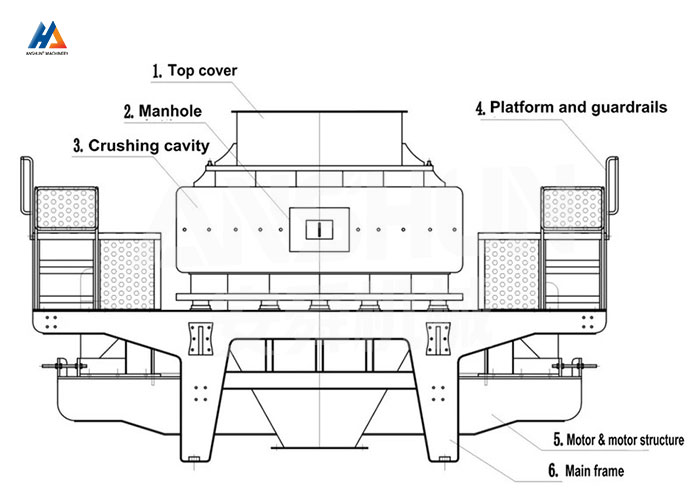
Feed material enters the rotor through the central feed eye (and the side ports in combined mode) and is accelerated outward through the rotor's internal passages by centrifugal force. At the rotor tip, material is projected at high velocity against the surrounding rock-lined autogenous bed. The high-velocity impact fractures particles along natural cleavage planes, producing a cubical, well-shaped product.
Inside the rotor, feed material progressively builds up a protective lining of crushed rock on the passage walls and tip faces. Subsequent particles impact this material lining rather than the metal rotor surfaces - the rock-on-rock mechanism that extends wear part life and reduces operating cost on abrasive feed. The rotor speed (set via the drive motor frequency converter) controls tip velocity and therefore product fineness: higher speed produces more fines; lower speed shifts the output coarser.
Get Quote
FAQ
What is the Difference Between the VSI Series and the VSI6X Series?
The VSI series is the standard platform with dual feed mode (centre-and-side, or centre-only) and dual-motor drive. The VSI6X is the next-generation series with a larger rotor, deeper feed ports for higher single-pass throughput, and a more advanced hydraulic lubrication station with air-cooling as standard (versus water-cooling on the VSI series). For new installations, the VSI6X is the recommended choice where maximum throughput per unit is the priority; the VSI series remains a well-proven, cost-effective option for mid-scale operations.
What Triggers the Automatic Shutdown on the Lubrication Station?
Shutdown triggers on two conditions: loss of oil flow (pump failure, blocked filter, or line leak) and loss of oil pressure at the bearing supply points. The dual-pump arrangement provides redundancy – a single pump failure switches supply to the backup pump and alerts the operator, rather than triggering immediate shutdown. Shutdown only occurs if both pumps fail to deliver flow or pressure simultaneously.
How Often Should the Vibration Sensor Threshold be Calibrated?
Calibration is recommended at commissioning and after any rotor maintenance that involves removing or replacing tip liners or the rotor assembly. The sensor’s 0.1–20 mm/s range covers both normal operating vibration and early-stage bearing defect signatures; alert thresholds should be set based on baseline readings taken during the first 50 hours of operation. Consult the commissioning guide for model-specific threshold recommendations.
How Long do Rotor tip Liners Last in Rock-on-rock Mode?
In rock-on-rock mode on limestone or soft-medium rock, rotor tip liners typically run 300–600 hours before rotation or replacement. On harder, more abrasive feed (granite, river pebble), expect 200–400 hours. Tip liners are reversible – each has two usable faces. OEM tip liner sets are stocked for all VSI models; keep one spare set on site to minimize downtime during planned changes.
Is On-site Commissioning Support Available?
Remote commissioning support via video call is included at no charge. On-site engineer dispatch is available as an optional paid service — lead time and cost depend on location. Please discuss before purchase.