English

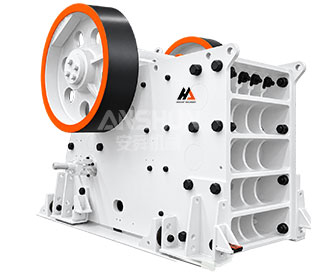
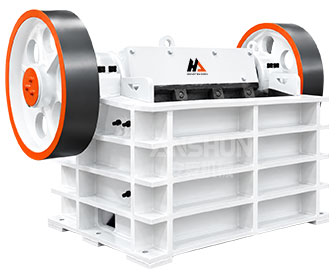
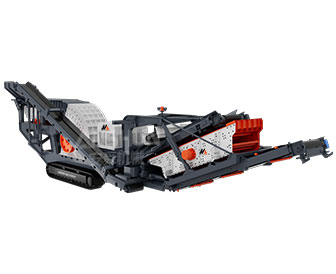
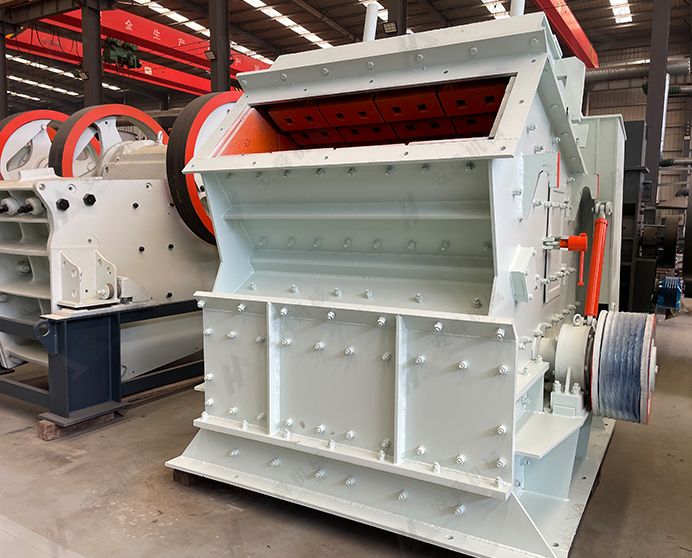
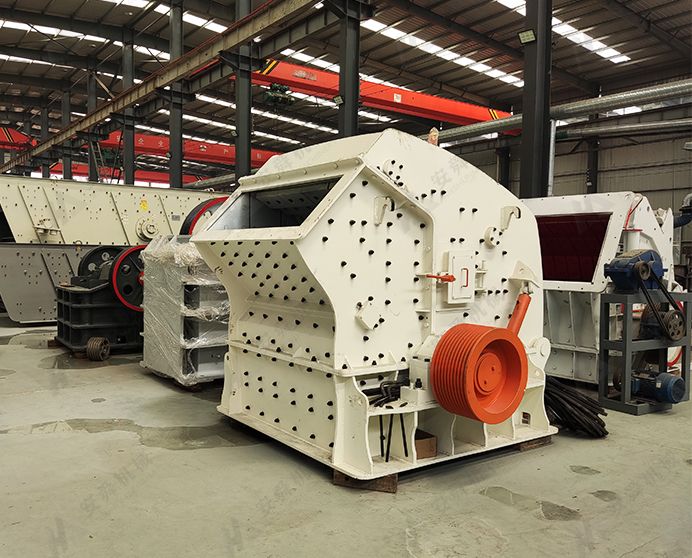
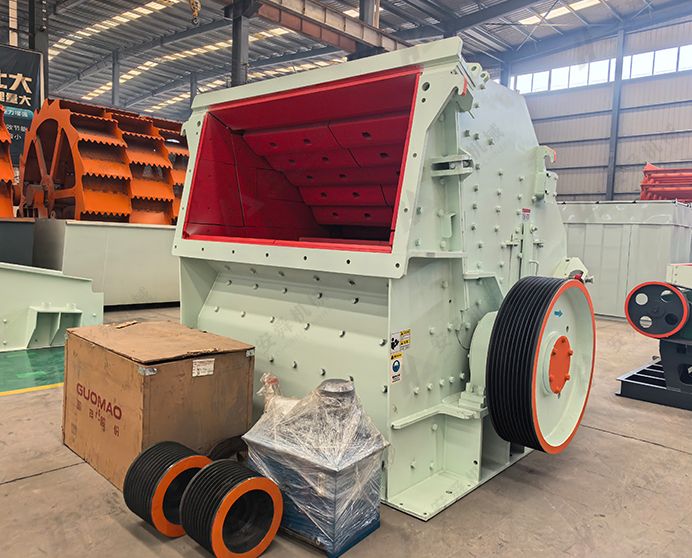
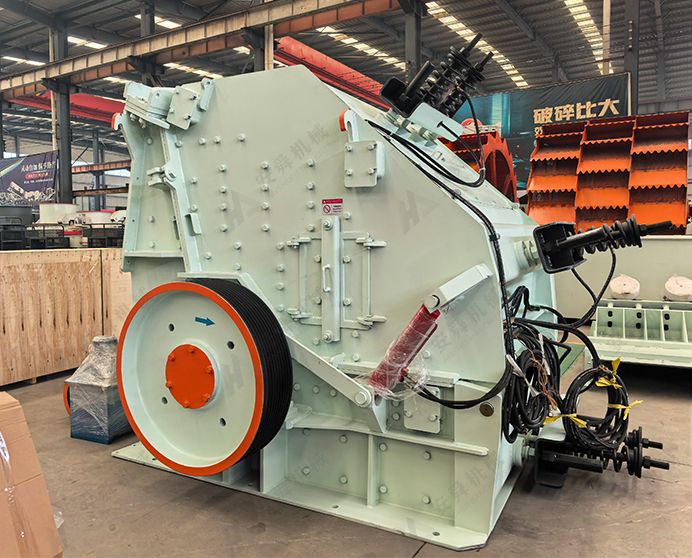
PF Impact Crusher
Model: PF Series · Secondary Crushing · Soft Rock
-
Capacity
30-550t/h
-
Feed Size
≤700mm
-
Power
37-440kw
- ISO9001
- CE
- EAC
We reply within 24 hours
Product Overview
What is a PF Impact Crusher?
The PF impact crusher is a high-reduction-ratio secondary and tertiary crusher that breaks material by impact rather than compression. Feed material enters the crushing chamber and is struck by high-speed blow bars mounted on a heavy rotor, then propelled against adjustable impact plates. The repeated high-velocity impact delivers a cubical, well-graded product with a higher proportion of fines than jaw or cone crushers – making the PF series the preferred choice for aggregate shaping, limestone processing, and recycled material applications.
Seven standard models cover rotor widths from 700 mm to 2,000 mm and capacities from 30 t/h up to 550 t/h, with feed acceptance up to 700 mm on the largest PF-1520. Full hydraulic opening of the rear frame allows fast, safe access to blow bars, impact plates, and rotor for maintenance – eliminating the manual jacking and mechanical locking required by traditional impact crusher designs.
Applicable Materials
Limestone, Dolomite, Granite, Basalt, Concrete rubble, C&D demolition waste, Coal, Soft-medium ore, Recycled aggregate (compressive strength≤280 MPa).
For high-silica or highly abrasive materials, contact us to confirm blow bar grade and expected wear life.
Industries
Aggregate & Sand Production, Cement & Building Materials, Highway, Railway & Hydraulic Engineering, C&D Waste Recycling, Mining Secondary Crushing.
Technical Specifications
|
Model |
Rotor Size(mm) |
Feed Opening (mm) |
Max Feed Size (mm) |
Capacity(t/h) |
Power(kW) |
Weight(t) |
|
PF-1007 |
1000×700 |
400×730 |
250 |
30-50 |
37-55 |
9.5 |
|
PF-1010 |
1000×1050 |
400×1080 |
300 |
50-80 |
55-75 |
14 |
|
PF-1210 |
1250×1050 |
400×1080 |
300 |
70-120 |
110-132 |
17 |
|
PF-1214 |
1250×1400 |
400×1430 |
300 |
130-180 |
132-160 |
22 |
|
PF-1315 |
1320×1500 |
830×1520 |
350 |
160-250 |
185-200 |
26 |
|
PF-1320 |
1320×2000 |
830×2030 |
400 |
300-350 |
220 |
30 |
|
PF-1520 |
1520×2000 |
860×2050 |
700 |
300-550 |
2×200 |
49 |
Key Features & Advantages
-
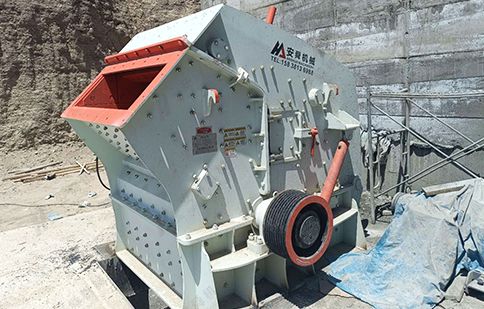
Forged 42CrMo Main Shaft - Strength, Toughness, Deep Hardenability
The rotor shaft is forged from 42CrMo chromium-molybdenum alloy steel. Forging produces a dense, defect-free grain structure; chromium-molybdenum alloying delivers combined high strength, toughness, and hardenability that high-speed rotor shock loads demand - well beyond plain carbon or low-alloy steels.
-
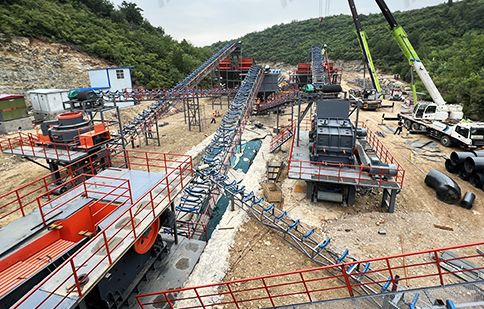
Cr26 Blow Bars - Maximum Hardness at the Strike Face
Blow bars are cast from Cr26 high-chromium white iron. The 26% chromium carbide microstructure delivers exceptional surface hardness, significantly extending blow bar life on abrasive hard rock feed and reducing change-out frequency.
-
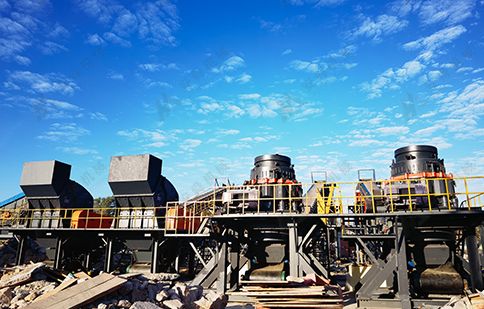
Mn13Cr2 Impact Plates & Liners - Work-Hardens in Service
Impact plates and chamber liners use Mn13Cr2 manganese-chromium steel. The surface work-hardens progressively under impact while the core stays tough - outperforming standard Mn13 on hard feed and lowering total liner cost per ton.
-
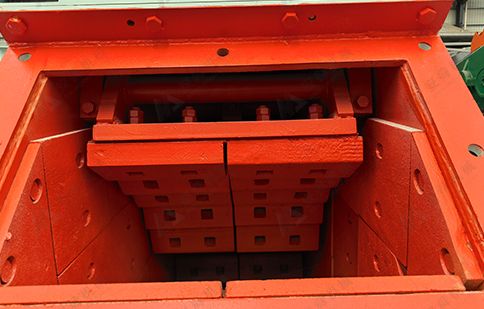
Hardfacing Weld on Rotor Body - Extended Rotor Life
High-wear zones on the rotor body are protected by wear-resistant hardfacing weld deposits, shielding the base metal from erosive material flow and extending rotor service intervals between rebuilds.
-
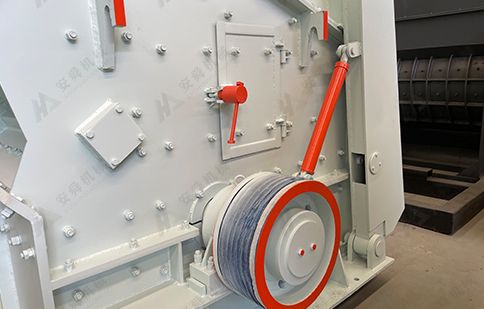
Full Hydraulic Rear Frame - Fast, Safe Maintenance Access
The rear frame opens fully via hydraulic cylinders, exposing blow bars, impact plates, and the full rotor without manual jacking or mechanical props. Faster access means shorter planned maintenance windows compared to traditional mechanical-opening designs.
What Is the Working Principle Of the PF Impact Crusher
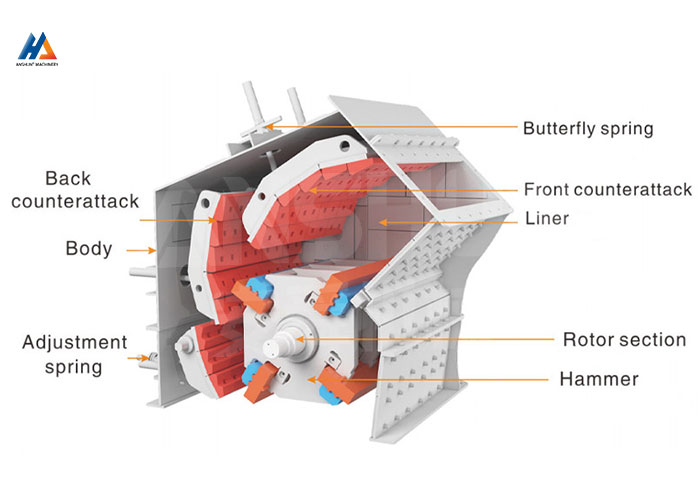
Impact crushers use impact energy to break materials. When working, driven by the motor, the rotor rotates at high speed. When the material enters the blow bar action area, it is crushed by impact with the blow bar on the rotor, thrown to the impact device for grinding again, and bounces back from the impact lining. It goes to the plate hammer action area for re-crushing, and this process is repeated until the material is crushed to the required particle size and discharged from the discharge port. Adjusting the gap between the impact frame and the rotor can change the material discharge particle size and shape.
Get Quote
FAQ
What is the Difference Between an Impact Crusher and a Jaw or Cone Crusher?
Jaw and cone crushers break material by compression – squeezing it between two surfaces. Impact crushers break material by high-velocity impact – the blow bar strikes feed at rotor tip speed and the resulting fracture propagates through the material’s natural cleavage planes. Impact crushing produces a more cubical, better-shaped product and a higher fines content, but generates more wear on abrasive materials. For limestone, concrete, and soft-to-medium rock, impact crushing delivers lower cost per ton and better product shape. For hard, highly abrasive materials, compression crushing is generally more economical.
How Often do Blow Bars Need to be Replaced?
Blow bar life depends on material hardness, feed size, and rotor speed. On limestone, Cr26 blow bars typically run 400–800 operating hours. On harder or more abrasive feed, life is shorter. Blow bars are reversible – each bar has two striking faces – doubling usable life before replacement. The hydraulic opening frame makes blow bar rotation a routine shift task rather than a major maintenance event.
Can Impact Plate Gap be Adjusted While the Crusher is Running?
Yes – impact plate position can be adjusted under load via the hydraulic adjustment system (where fitted) or manually via handwheel with the machine running. This allows operators to fine-tune product size during production without stopping the crusher. Full gap inspection and reset is performed during planned maintenance with the rear frame open.
Is the PF Series Suitable for Hard Rock Like Granite?
The PF series can process granite but blow bar and liner wear rates increase significantly compared to limestone or concrete. For sustained granite or quartzite processing, a cone crusher secondary stage typically offers lower wear cost per ton. For mixed feed with occasional hard material, Cr26 blow bars provide the best wear resistance available in this product category. Contact us with your material data for a wear cost estimate.
What Maintenance Access does the Hydraulic Opening Provide?
Full hydraulic opening of the rear frame exposes the complete rotor, all blow bars, both impact plates, and all chamber liners in a single operation. No manual props, no crane required for frame movement. A two-person maintenance team can complete a full blow bar rotation, impact plate inspection, and gap reset in 2–3 hours – compared to 4–6 hours on a mechanical-opening machine of equivalent size.