English

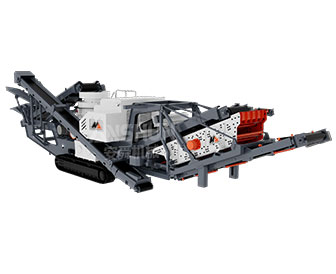
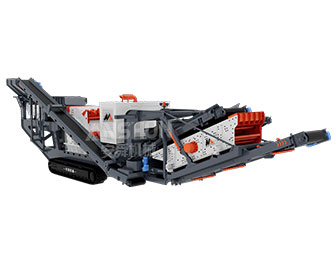
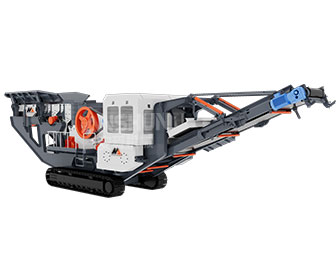
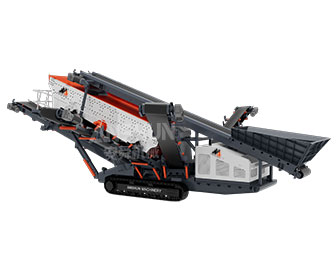
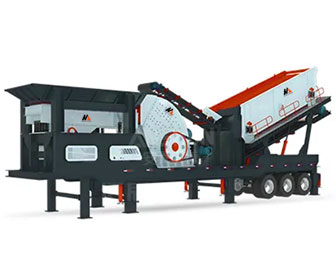
Crawler Heavy Hammer Crusher Plant
Model: AT-PCZ Series · Primary Crushing · Limestone & Soft Rock
-
Capacity
250-320t/h
-
Feed Size
600mm
-
Power
315kw
- ISO9001
- CE
- EAC
We reply within 24 hours
Product Overview
What Is a Crawler Hammer Crusher Plant?
The crawler heavy hammer crusher plant integrates a PCZ1512 heavy hammer crusher, vibrating feeder, closed-circuit return screen, multiple conveyors, magnetic separator, and 550KW on-board generator onto a 63-tonne hydraulic crawler chassis. The complete unit is self-powered, self-propelled, and requires no concrete foundation – it can be deployed, repositioned, and relocated without civil works or crane support.
The heavy hammer crusher performs single-stage coarse-to-fine reduction in one pass, accepting feed up to 600mm and producing a sized product in the range of 0–30mm directly, without a secondary crusher. This single-stage crushing capability is the defining advantage of the heavy hammer configuration: it replaces a two-machine jaw-plus-impact circuit with a single plant, cutting capital investment, operating footprint, and maintenance complexity. Capacity is 250–320 t/h from the AT1512 model.
Applicable Materials
Limestone, Dolomite, Coal, Gypsum, Concrete Rubble, Chalk, Clay-Bonded Aggregate, and other soft-to-medium hardness rock (compressive strength ≤200 MPa).
Industries
Limestone Quarrying, Cement Raw Material Preparation, Coal Processing, C&D Waste Recycling, Road Sub-Base Production, Agricultural Lime, Open-Pit Mining.
Technical Specifications
|
Model |
AT1512 |
|
Vibrating Feeder |
|
|
Model |
GZD1248 |
|
Motor Power(kw) |
7.5*2 |
|
Heavy Hammer Crusher |
|
|
Model |
PCZ1512 |
|
Motor Power(kw) |
315 |
|
Capacity(t/h) |
250-320 |
|
Max. Feeding Size(mm) |
600 |
|
Chassis |
|
|
Hydraulic Crawler Undercarriage |
63T |
|
Main Frame |
Q355 Welded |
|
Main Conveyor |
|
|
Specification |
B1200*12m |
|
Gear Motor Power(kw) |
15kw |
|
Return Screening Unit |
|
|
Model |
2YK1640 |
|
Motor Power(kw) |
3.7*2 |
|
Support Type |
ROST Springs |
|
Under-Screen Conveyor |
|
|
Specification |
B1200*5.9m |
|
Gear Motor Power(kw) |
7.5 |
|
Return Conveyor |
|
|
Specification |
B650*11.3m |
|
Gear Motor Power(kw) |
7.5 |
|
Transfer Conveyor |
|
|
Specification |
B650*2.3m |
|
Gear Motor Power(kw) |
3 |
|
Magnetic Separator |
|
|
Model |
RCYQ-12 |
|
Power System |
|
|
Generator Set |
550kw Generator Set |
|
Hydraulic System |
Hydraulic crawler travel system, conveyor folding cylinders, vibrating screen lifting cylinders, crusher housing opening cylinder, hydraulic power station, etc. |
Key Features & Advantages
-
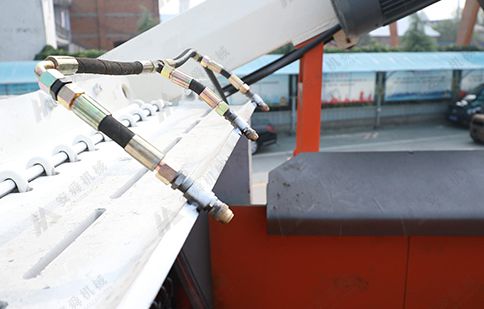
Single-Stage Crushing - One Pass from 600mm to Finished Product
The PCZ1512 heavy hammer crusher achieves a crushing ratio of up to 40:1 in a single pass, reducing 600mm run-of-quarry feed to a 0–30mm product without a secondary or tertiary stage. This eliminates one or two machines from the circuit, reducing total investment, energy consumption, and maintenance scope significantly.
-
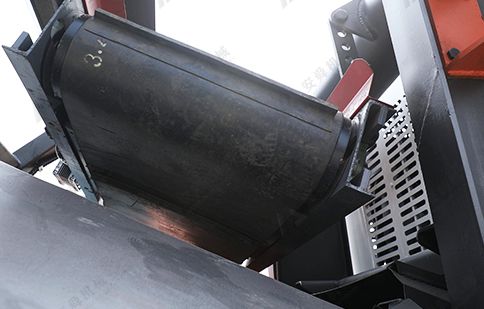
Q355 High-Strength Welded Frame - Built for High-Impact Duty
The main chassis and structural members are fabricated from Q355 national-standard high-strength structural steel plate. The Q355 grade provides higher yield strength and toughness than standard Q235, giving the frame resistance to the continuous impact loading generated by a 315KW hammer crusher in sustained operation.
-
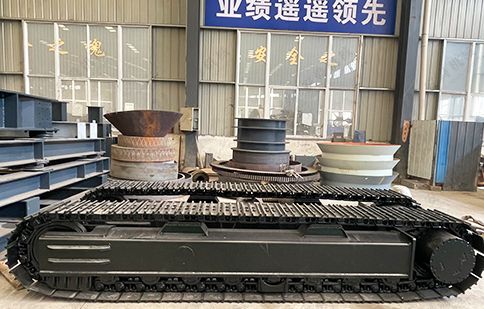
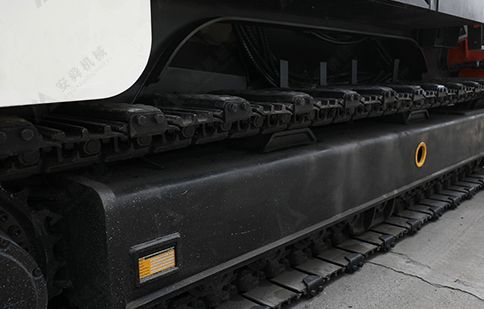
Hydraulic Crawler Travel - Deploys on Any Terrain
The 63T hydraulic crawler undercarriage allows the plant to self-propel across quarry floors, limestone hillsides, and demolition sites without road access. Independent left-right track control gives precise positioning in confined areas. Relocation between working faces is completed by a single operator - no towing vehicle or ground crew required.
-
No Foundation, Fast Commissioning
The plant requires no concrete pad, anchor bolts, or civil preparation. It is levelled on compacted ground using on-board hydraulic supports and can begin feeding within hours of arrival on site. This fast-deployment capability reduces the time between site award and first-stone production to a minimum.
-
Road-Legal & Compact - Low Transport Cost
The machine envelope meets national road transport regulations, eliminating special-permit haulage fees on most routes. The compact layout also reduces the site footprint required at each location, making the plant practical for urban demolition sites and hillside quarries where space is limited.
-
Flexible Operation - Standalone or Integrated
The AT1512 can operate as a standalone primary crusher feeding a stockpile, or as the first stage in a mobile crushing and screening train alongside cone crushers, screens, or sand washers. Both diesel-electric (on-board generator) and full-electric (grid connection) drive modes are available to match site power infrastructure.
-
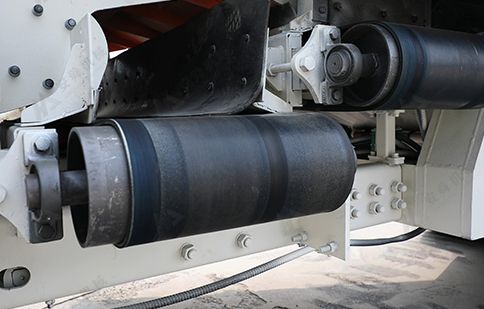
RCYQ-12 Magnetic Separator - Continuous Metal Extraction
A self-cleaning suspended magnetic separator is fitted over the main conveyor as standard. It continuously removes ferrous metal from the product stream - essential when processing demolition concrete or mixed construction waste containing rebar - protecting downstream conveyors and screens from metal damage.
What Is the Working Principle of the Crawler Heavy Hammer Crusher Plant?
Feed material up to 600mm is metered from the hopper into the PCZ1512 heavy hammer crusher by the GZD1248 vibrating feeder. Inside the crusher, a high-speed rotor fitted with heavy hammer heads accelerates material and drives it against the impact plates and grate bars, fracturing it by repeated impact. Material that reaches the grate gap size discharges downward; oversized pieces continue to circulate until reduced.
Crushed product discharges onto the under-screen conveyor and is delivered to the 2YK1640 return screen. Material passing the screen aperture is conveyed by the main belt conveyor under the RCYQ-12 magnetic separator to the product stockpile. Oversized material is returned to the crusher inlet via the return belt conveyor for re-processing. The transfer conveyor bridges the return screen discharge and crusher feed, completing the closed circuit.
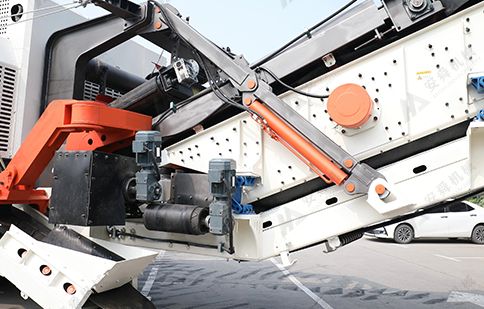
All conveyors fold hydraulically for transport. The crusher housing opens hydraulically for inspection and hammer replacement without manual lifting equipment.
Get Quote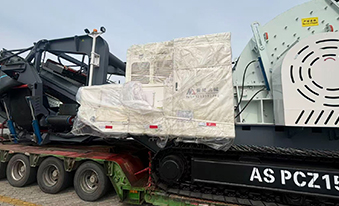
FAQ
What is the Difference Between a Heavy Hammer Crusher and an Impact Crusher?
Both use impact to fracture material, but the heavy hammer crusher is specifically designed for single-stage coarse-to-fine reduction at high feed sizes – accepting material up to 600mm and producing a finished product in one pass. A conventional impact crusher typically handles pre-crushed feed below 400mm and is optimised for particle shape at lower reduction ratios. For limestone and soft rock where a single plant must replace a full primary-and-secondary circuit, the heavy hammer configuration is the more efficient and cost-effective choice.
What Materials are NOT Suitable for this Plant?
The heavy hammer crusher is designed for soft-to-medium hardness material with compressive strength up to approximately 200 MPa. Hard abrasive rock such as granite, basalt, quartzite, and siliceous river pebble causes rapid hammer and liner wear at unacceptable cost per tonne. For hard rock primary crushing, the Crawler Jaw Crusher Plant or Crawler Cone Crusher Plant is the correct choice.
How Often do the Hammers Need to be Replaced?
Hammer life depends on material hardness and abrasiveness. On clean limestone, high-chromium alloy hammers typically run 300–500 hours before rotation or replacement. On more abrasive material such as coal mixed with shale, expect 150–250 hours. The crusher housing opens hydraulically, allowing a two-person crew to rotate or replace all hammers within a standard shift.
Can the Plant Run on Grid Power Instead of the Generator?
Yes. The AT1512 supports full-electric drive via external grid connection in addition to the standard 550KW diesel generator. In grid-connected mode, the generator is bypassed entirely. This configuration significantly reduces fuel cost and noise on permanent or long-term sites where grid power is available.
What is the Minimum Site Size Required?
In operating configuration, the AT1512 requires approximately 20m × 10m of clear working area, including product conveyor discharge clearance and access for a wheel loader. In transport configuration, the plant folds to its road-legal envelope. No concrete apron or permanent access road is needed – compacted gravel or quarry floor is sufficient for the 63T crawler undercarriage.