English

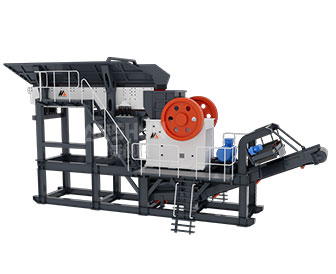
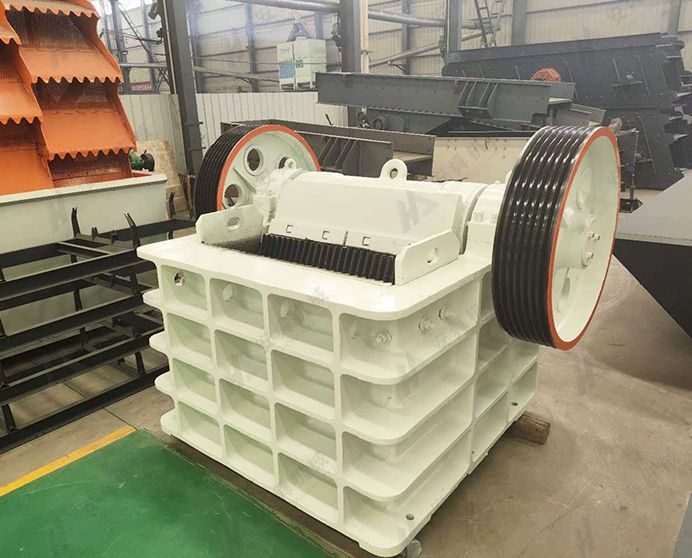
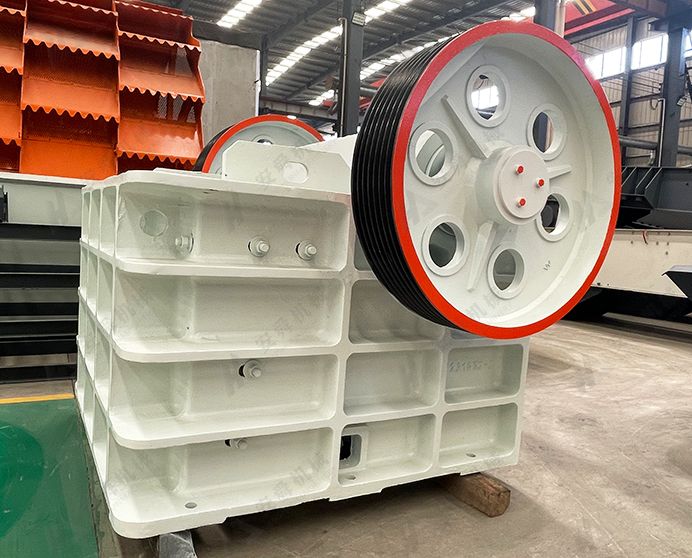
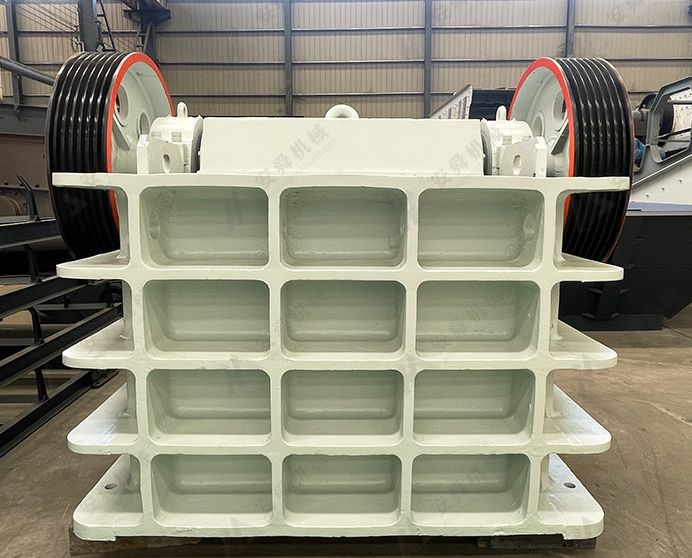
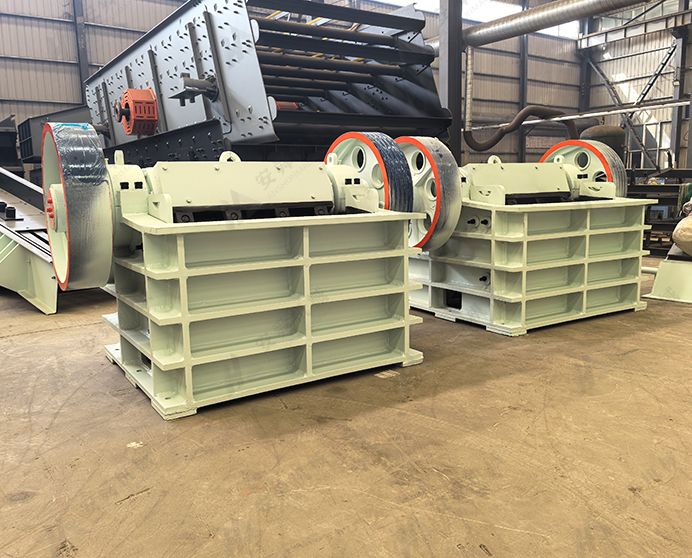
PEX Fine Jaw Crusher
Model: PEX Series · Secondary Crushing · Hard Rock & Ore
-
Capacity
15-150t/h
-
Feed Size
≤400mm
-
Power
22-75KW
- ISO9001
- CE
- EAC
We reply within 24 hours
Product Overview
What is a PEX Fine Jaw Crusher?
The PEX fine jaw crusher is the narrow-feed-opening counterpart to the PE primary series, engineered specifically for secondary crushing and fine primary crushing where a tighter, more uniform product size is required. While PE machines are sized by feed opening width, PEX machines are defined by their long, narrow crushing chamber – a geometry that improves feed material control and delivers a finer, more consistent discharge gradation than wide-opening primary crushers can achieve.
PEX crushers operate on the same proven compression principle as the PE series – eccentric shaft driving a swing jaw against a fixed jaw plate – but with a chamber profile optimized for finer CSS settings and reduced product size variation. They are commonly positioned as the second stage in a two-stage jaw crushing circuit, or as a standalone primary crusher where feed material is pre-screened and oversized lumps have already been removed.
Applicable Materials
Granite, Basalt, Limestone, Quartz, Iron ore, Copper ore, River pebble, Slag, Construction waste.
Industries
Aggregate Production, Mining & Ore Processing, Sand & Gravel Plants, Cement & Building Materials, Chemical & Industrial Mineral Processing.
Technical Specifications
|
Model |
Size of Feed Opening(mm) |
Max.feed Size(mm) |
Discharge Opening Adjustment Range(mm) |
Processing Capacity(t/h) |
Power(kw) |
Overall Dimension LxWxH(mm) |
|
PEX250×750 |
250×750 |
210 |
15-50 |
15-30 |
22-30 |
1400×1751×1515 |
|
PEX350×750 |
350×750 |
300 |
15-50 |
18-40 |
30 |
1485×1680×1648 |
|
PEX250×1000 |
250×1000 |
210 |
15-60 |
15-60 |
37-65 |
1550×1964×1380 |
|
PEX250×1200 |
250×1200 |
210 |
25-60 |
20-60 |
37-45 |
1530×1946×1380 |
|
PEX300×1300 |
300×1300 |
250 |
20-90 |
35-70 |
55-75 |
2000×2320×1730 |
|
PEX500×1500 |
500×1500 |
400 |
40-110 |
45-150 |
75 |
2850×2640×2100 |
Key Features & Advantages
-
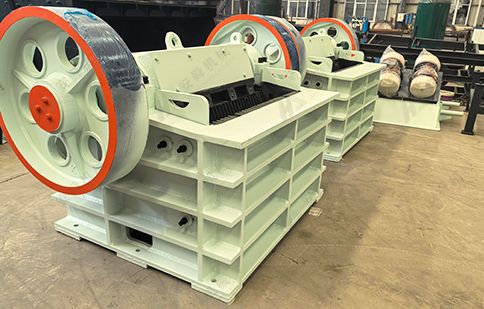
Forged 42CrMo Main Shaft - Strength and Toughness Combined
The eccentric shaft is forged from 42CrMo chromium-molybdenum alloy steel. Forging produces a dense, uniform grain structure that eliminates the internal defects of casting; chromium-molybdenum alloying adds the high strength, toughness, and hardenability that heavy cyclic loading demands - outperforming plain carbon and low-alloy steels in long-term fatigue resistance.
-
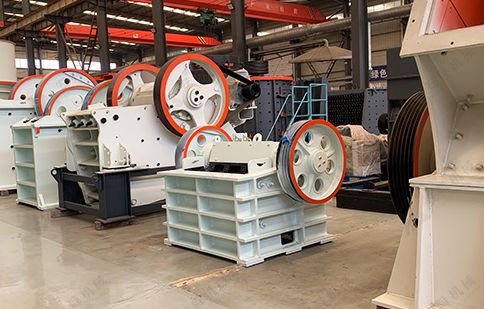
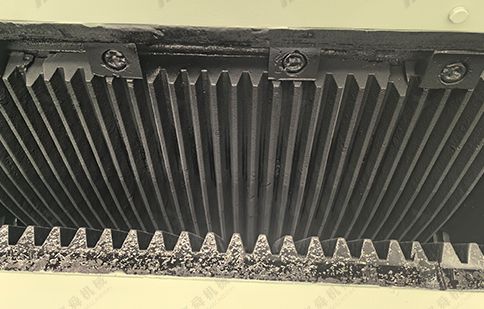
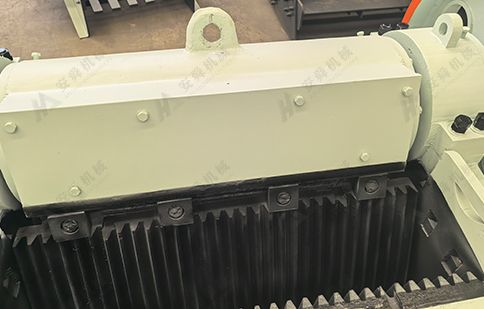
Mn13Cr2 Jaw Plates & Side Liners - Faster Hardening, Longer Life
All wear surfaces use Mn13Cr2 high-manganese chromium steel. The 2% chromium addition accelerates work-hardening in service - the contact surface hardens quickly under impact while the core stays tough. On abrasive materials, Mn13Cr2 outlasts standard Mn13, reducing plate replacement frequency and lowering cost per ton.
-
Narrow Chamber Geometry - Finer, More Uniform Product
The long, narrow crushing chamber controls material more precisely than wide-opening PE crushers, enabling finer CSS settings and tighter product gradation. Ideal as a second-stage crusher where consistent feed size to downstream screens or mills directly affects process efficiency.
-
Fine CSS Range - Output Size Matched to Downstream Requirements
CSS adjusts from as tight as 15 mm (PEX250 series) up to 110 mm (PEX500×1500), covering the full range from secondary crushing ahead of a cone crusher to fine primary crushing feeding a ball mill. Rear-wedge or optional hydraulic adjustment; no jaw plate change required.
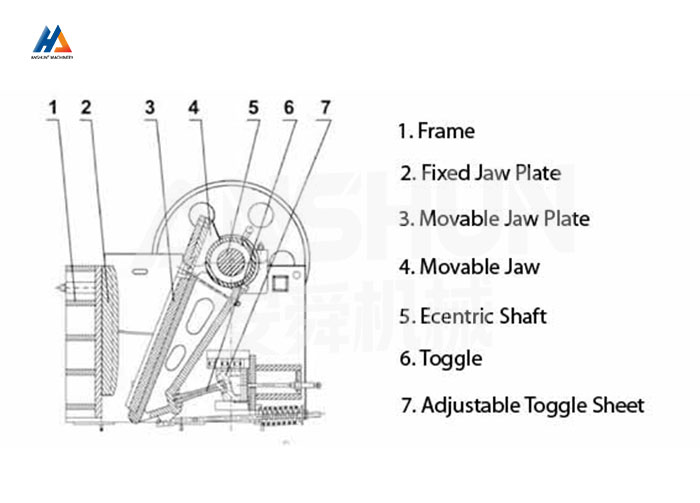
What Is the Working Principle Of the PEX Fine Jaw Crusher
Feed material enters the long, narrow crushing chamber from above, guided by the chamber walls into the active crushing zone between the fixed jaw and the swing jaw. The eccentric shaft drives the swing jaw through a forward compression stroke, fracturing material against the fixed jaw plate. On the return stroke, broken material drops toward the discharge opening and exits when it passes the CSS gap.
The narrower chamber width of the PEX series means that material has less lateral room to move, keeping it in contact with both jaw surfaces for more crushing strokes before exiting. This produces a finer, more uniform product compared to the wider PE chamber at the same CSS setting - a key reason PEX machines are preferred for secondary and fine primary applications where downstream equipment (screens, ball mills, cone crushers) is sensitive to feed size variation.
Get Quote
FAQ
What is the Difference Between PE and PEX Fine Jaw Crusher?
PE crushers have a wide, square-ish feed opening designed for large primary feed. PEX crushers have a narrower, elongated opening suited to smaller, pre-crushed feed material. The PEX chamber geometry produces finer, more uniform output at the same CSS, making it the preferred choice for secondary crushing or fine primary crushing applications.
Can a PEX Fine Jaw Crusher Replace a Cone Crusher in a Secondary Crushing Role?
For softer materials (limestone, coal, soft sandstone) at moderate throughput, yes — a PEX machine can serve as a secondary crusher and reduce cost versus a cone. For hard, highly abrasive materials (granite, quartzite, iron ore) at high throughput, a cone crusher’s lower wear cost and higher capacity typically make it the better choice. Contact us with your material and capacity data for a direct comparison.
How is the CSS Adjusted on a PEX Fine Jaw Crusher?
Standard PEX models use rear-wedge CSS adjustment: loosen the lock bolt, move the wedge to open or close the gap, retighten. This requires the machine to be stopped. Hydraulic CSS adjustment is available as an option, allowing gap changes under load in under five minutes.
What Jaw Plate Material is Supplied as Standard?
All PEX models are supplied with Mn13Cr2 manganese-chromium jaw plates and side liners as standard. High-chrome (Cr26) or bi-metallic plates are available as upgrade options for extremely abrasive materials or applications where longer change intervals are a priority.