English

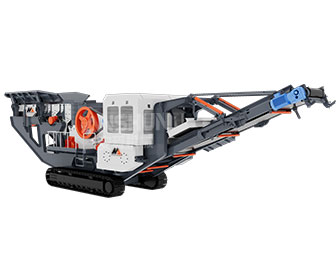
Modular Stone Crushing Plant
Model: SKPZ Series · Primary Crushing · Hard Rock & Ore
-
Capacity
15-100t/h
-
Feed Size
≤425mm
-
Power
Optional
- ISO9001
- CE
- EAC
We reply within 24 hours
Product Overview
What Is a Modular Stone Jaw Crushing Plant?
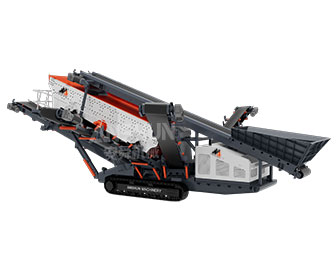
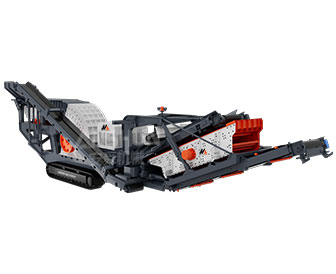
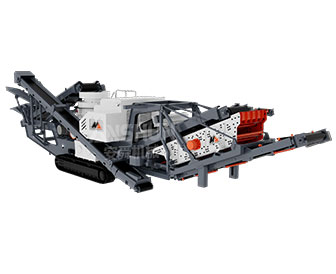
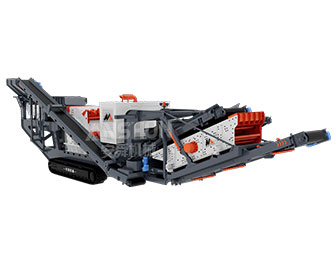
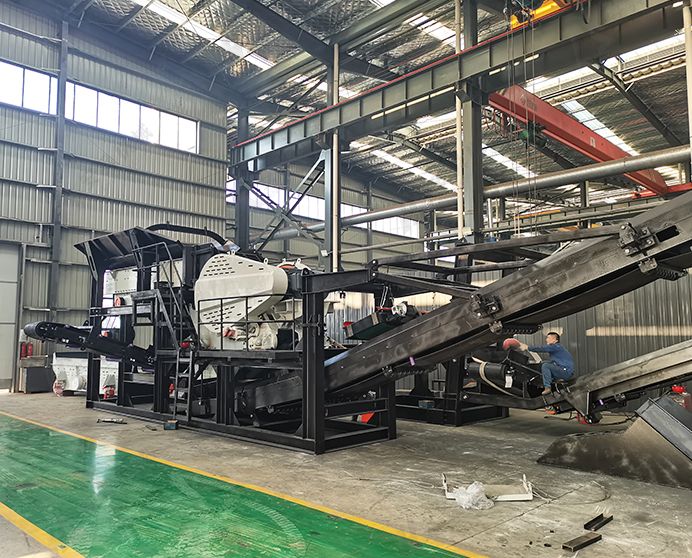
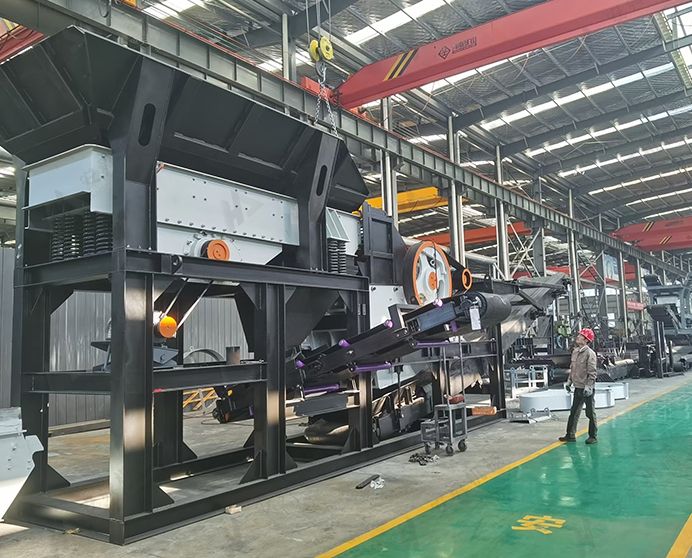
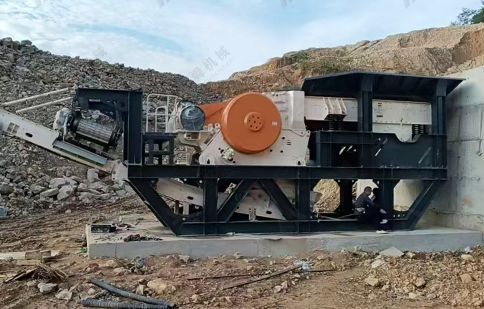
The modular stone jaw crushing plant is a pre-engineered crushing-and-screening unit that combines a vibrating feeder, jaw crusher, multi-deck vibrating screen, and a set of belt conveyors into a single coordinated assembly. Unlike a fully welded mobile chassis, the modular design allows each component to be supplied on the chassis type best suited to the job – tracked mobile for rough terrain, wheel-mobile for road relocation, or a fixed skid frame for permanent or semi-permanent installations.
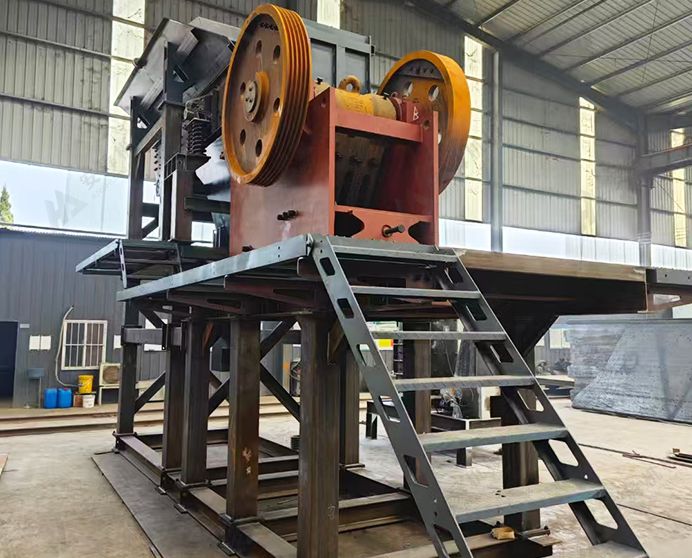
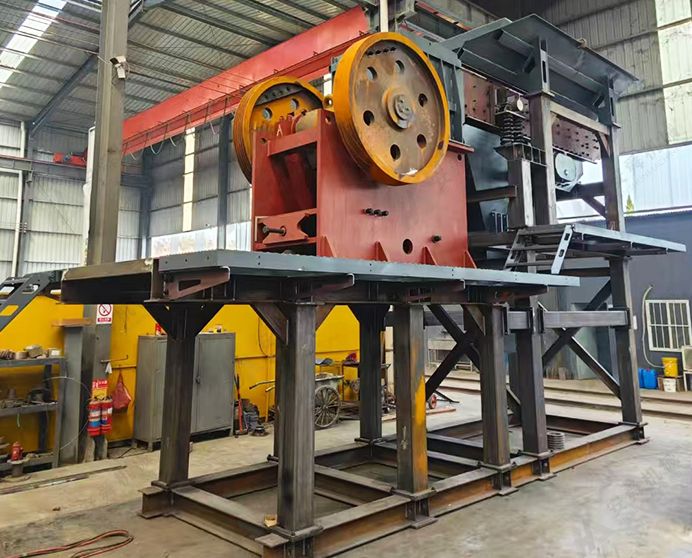
Two standard configurations are available. The SKPZ46-1548 pairs a ZSW850×3000 feeder with a PE400×600 jaw crusher and 3YK1548 triple-deck screen for 15–60 t/h output. The SKPZ57-1848 steps up to a ZSW960×3800 feeder, PE500×750 jaw crusher, and 4YK1848 four-deck screen for 50–100 t/h output. Power can be supplied from grid electrical control or an on-board generator set, selected according to job-site availability.
Applicable Materials
Granite, Basalt, Limestone, River Pebble, Quartzite, Diabase, Construction & Demolition Waste, Iron Ore, Copper Ore.
Industries
Small-to-Medium Quarrying, Sand & Gravel Production, Rural Road Construction, C&D Waste Recycling, Contract Crushing Services, Remote-Site Mining.
Technical Specifications
|
Modular Stone Jaw Crushing Plant Technical Parameters |
|||||||
|
Model |
Vibrating feeder |
Jaw crusher |
Vibrating screen |
Belt conveyor |
Capacity |
Power system |
Chasis |
|
SKPZ46-1548 |
ZSW850×3000 |
PE400×600 |
3YK1548 |
B650×10×3sets |
15-60tph |
Electrical Control or Generator |
Tracked mobile,wheel |
|
SKPZ57-1848 |
ZSW960×3800 |
PE500×750 |
4YK1848 |
B650×10×4sets |
50-100tph |
||
Key Features & Advantages
-
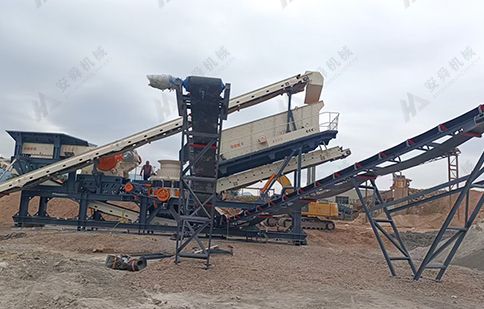
Modular Configuration - Built to Match Your Job Site
Each plant is assembled from standard feeder, crusher, screen, and conveyor modules, then mounted on the chassis type the job site actually needs - tracked for soft or sloped ground, wheeled for highway relocation, or a fixed skid frame for stationary operation.
-
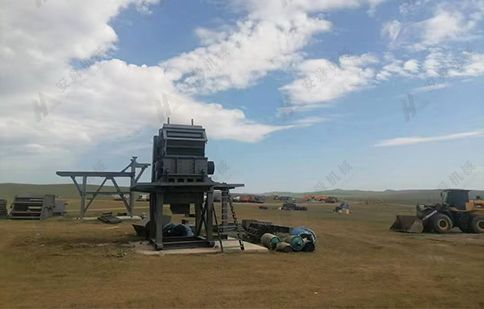
Choice of Power Supply - Grid or Generator
Configure the plant for grid electrical control where power infrastructure exists, or specify an on-board generator set for remote sites with no grid connection. Both options run the same feeder, crusher, screen, and conveyor drives without modification.
-
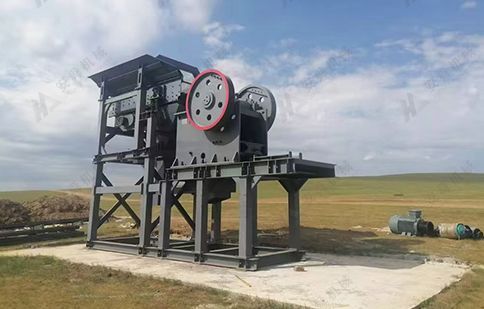
Multi-Deck Screening - Several Products from One Pass
The 3YK1548 and 4YK1848 vibrating screens classify crusher output into multiple sized fractions in a single pass, reducing the need for a separate downstream screening unit on smaller production lines.
-
Compact Two-Stage Layout - Lower Capital Cost
Combining the feeder, crusher, and screen into one coordinated unit reduces the number of separately purchased and installed machines, cutting total capital cost and installation time versus assembling a custom line from individual components.
-
Capacity Range for Small-to-Medium Operations
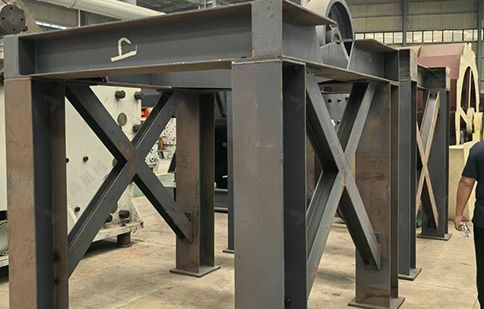
Two standard models span 15–100 t/h, matching the production scale of small quarries, rural contractors, and satellite crushing sites where a full-size mobile crushing train would be oversized for the job.
-
Standard PE Jaw Crusher Core - Proven, Serviceable
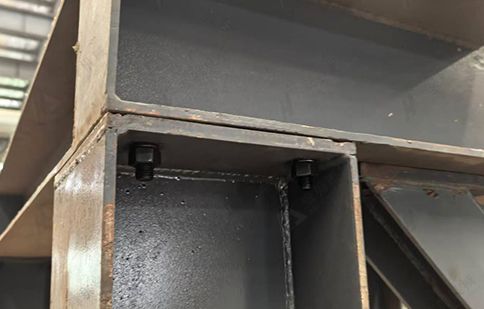
Both configurations use the well-established PE-series jaw crusher as the primary crushing unit, giving access to widely available wear parts and a crushing mechanism with a long field-proven service record.
What Is the Working Principle of the Modular Stone Jaw Crushing Plant?
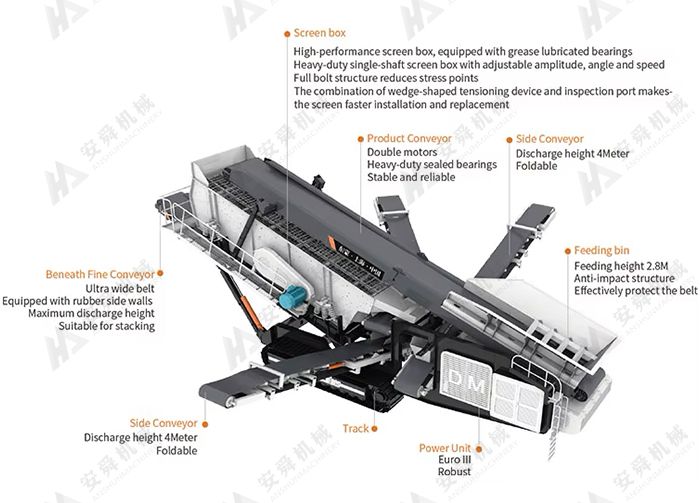
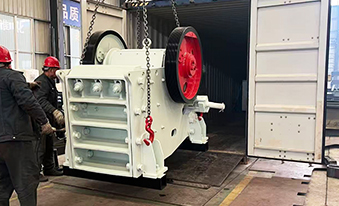
Feed material is loaded into the vibrating feeder hopper, which meters it at a controlled rate into the PE-series jaw crusher. The jaw crusher reduces the feed by compression between a fixed jaw plate and an eccentric-driven swing jaw. Crushed product discharges by belt conveyor onto the multi-deck vibrating screen, which classifies it into several sized fractions simultaneously.
Each screen deck discharges its product onto a dedicated belt conveyor, delivering sized material directly to separate stockpiles. Oversize material from the top deck can be routed back to the crusher inlet for re-processing, or removed for separate handling depending on the line configuration specified at order.
Get Quote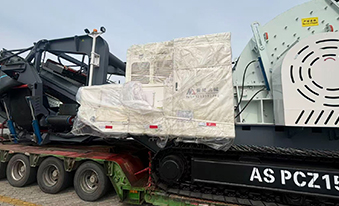
FAQ
How do I Choose Between Tracked, Wheel-mobile, and Skid Frame?
Choose tracked mobile for soft, sloped, or unprepared ground where the plant must reposition frequently on site. Choose wheel-mobile when the plant needs to travel between different job sites by road and a flat operating surface is available at each location. Choose a fixed skid frame for permanent or long-term installations where relocation is rare – it is the lowest-cost chassis option and offers the most stable foundation for continuous operation.
What is the Difference Between the two Standard Models?
The SKPZ46-1548 uses a smaller PE400×600 jaw crusher and three-deck screen for 15–60 t/h, suited to small quarries and contractors. The SKPZ57-1848 steps up to a PE500×750 jaw crusher and four-deck screen for 50–100 t/h, suited to medium-scale operations needing higher throughput and an additional product fraction.
Can the Plant be Customised Beyond These two Standard Configurations?
Yes. The modular design allows the feeder, crusher, screen, and conveyor count to be adjusted to match specific feed material, target capacity, and number of required product fractions. Please provide your feed size, target capacity, and number of products needed, and our engineers will configure a suitable arrangement.
How is Power Source Selected – grid or Generator?
Power source is determined at the quotation stage based on your job-site conditions. If grid electricity is available at the installation site, electrical control is the lower-cost option. If the site has no grid access or is relocated frequently, an on-board generator set is recommended to keep the plant fully self-sufficient.
What is the Typical Lead time for Delivery?
Lead time depends on configuration and current production schedule. Standard configurations using the two models listed typically ship faster than fully customised arrangements. Please contact our sales engineers with your required capacity and chassis type for a specific delivery estimate.