English

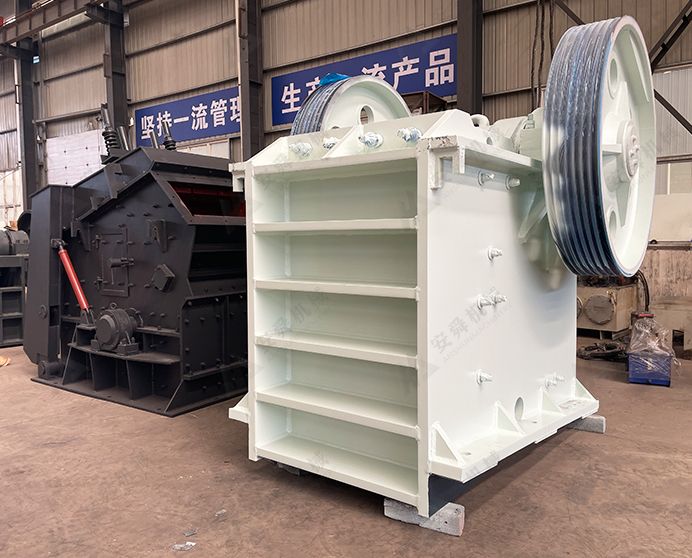
PE Jaw Crusher
Model: PE Series · Primary Crushing · Hard Rock & Ore
-
Capacity
15-800t/h
-
Feed Size
≤1020mm
-
Power
30-220KW
- ISO9001
- CE
- EAC
We reply within 24 hours
Product Overview
What is a Jaw Crusher?
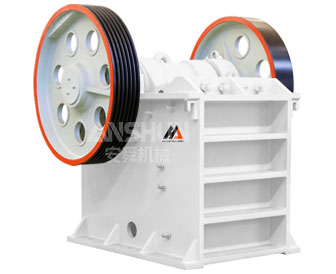
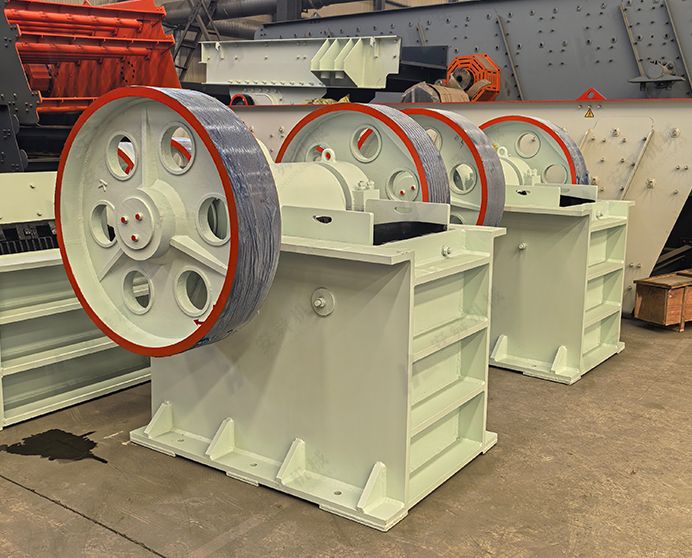
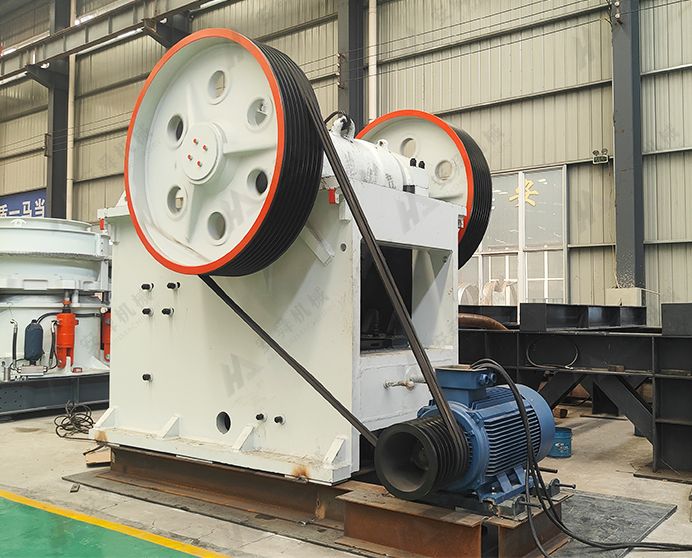
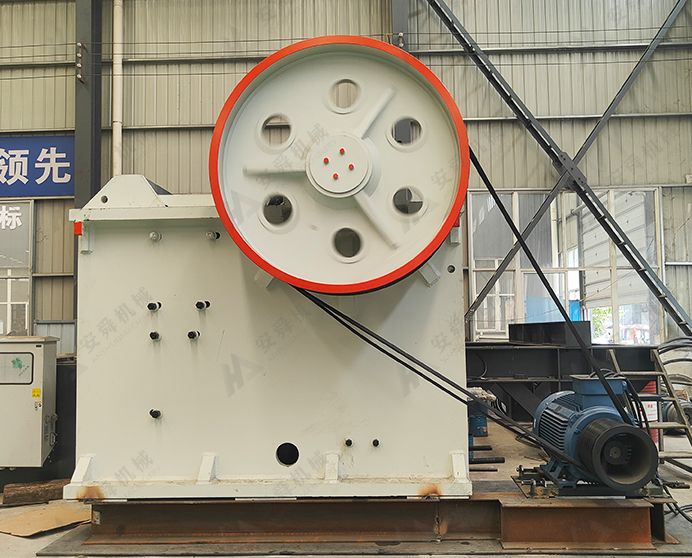
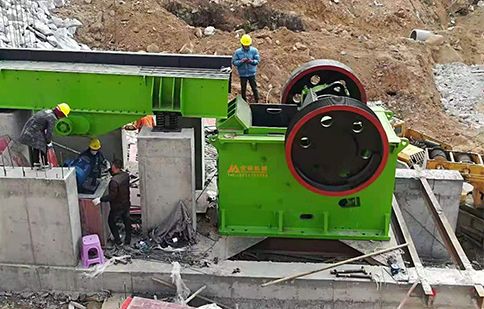
PE jaw crusher is the most commonly used coarse crushing equipment among the two major series of jaw crushers. This equipment adopts mature crushing technology, and its performance and structure adopt a systematic and comprehensive optimized design. It has high strength, reliability, durability, and crushing force. It has the characteristics of large size and high production output. It is often used as a primary crusher in various stone and ore-crushing production lines.
Applicable Materials
Granite, Basalt, Limestone, River pebble, Quartzite, Iron ore, Copper ore, Concrete rubble, Construction & demolition waste, Coal, Slag (compressive strength≤320 MPa).
Industries
Aggregate & Quarrying, Hard Rock Mining, Highway, Railway & Hydraulic Engineering, Cement & Building Materials, C&D Waste Recycling, Metallurgical & Chemical Processing.
Technical Specifications
|
Model |
Size of Feed Opening(mm) |
Max.feed Size(mm) |
Discharge Opening Adjustment Range(mm) |
Processing Capacity(t/h) |
Power(kw) |
Overall Dimension LxWxH(mm) |
|
PE400×600 |
400×600 |
350 |
40-90 |
15-60 |
30 |
1650×1588×1050 |
|
PE500×750 |
500×750 |
425 |
50-100 |
40-110 |
55 |
1956×1918×1920 |
|
PE600×900 |
600×900 |
500 |
60-125 |
90-180 |
75 |
2250×2733×2280 |
|
PE900×1060 |
900×1060 |
700 |
100-160 |
180-380 |
110 |
2900×2657×2950 |
|
PE900×1200 |
900×1200 |
750 |
110-165 |
220-450 |
110-132 |
3100×2760×3260 |
|
PE1000×1200 |
1000×1200 |
850 |
195-265 |
315-500 |
132-160 |
3480×2876×3330 |
|
PE1200×1500 |
1200×1500 |
1020 |
150-300 |
400-800 |
160-220 |
4200×3300×3500 |
Key Features & Advantages
-
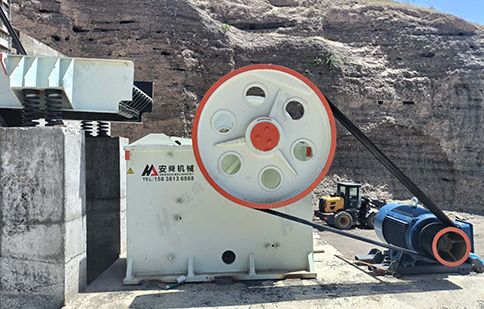
Forged 42CrMo Main Shaft — Built for Heavy-Load Durability
The eccentric shaft is forged from 42CrMo chromium-molybdenum alloy steel — the standard material for heavy-load critical components. Forging produces a denser, more uniform grain structure than casting or rolling, while chromium-molybdenum alloying delivers high strength, toughness, and deep hardenability that plain carbon steels cannot match. The result is a shaft that sustains primary crushing shock loads for tens of thousands of operating hours without fatigue or deformation.
-
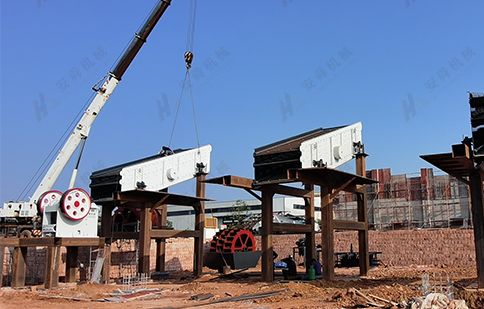
Mn13Cr2 Jaw Plates & Side Liners — Lower Cost per Ton
All wear-contact surfaces use Mn13Cr2 high-manganese chromium alloy steel. The 2% chromium addition accelerates work-hardening under impact: the surface hardens rapidly in service while the bulk material stays tough. On hard abrasive feed — granite, basalt, quartzite — Mn13Cr2 outlasts standard Mn13 plates, reducing replacement frequency and total wear cost per ton.
-
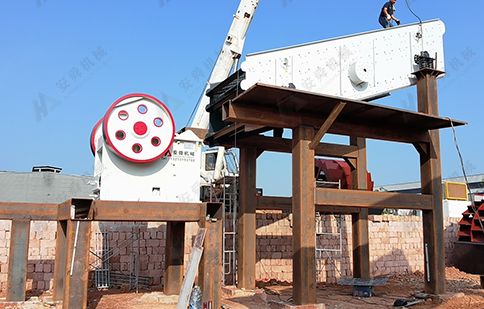
Wide Model Range — From 15 t/h to 800 t/h
Seven standard models cover capacities from 15 t/h (PE400×600) to 800 t/h (PE1200×1500), matching everything from small quarry operations to large mine primary crushing lines. All models share the same core operating principle and spare part logic, simplifying multi-machine site management.
-
Adjustable CSS — Flexible Output Size Without Changing Jaw Plates
Closed-side setting (CSS) is adjustable via rear wedges or optional hydraulic system, giving operators direct control over product size without changing jaw plates. Wide CSS adjustment ranges on all models allow one machine to serve different production requirements as the project evolves.
What Is the Working Principle Of the Jaw Crusher?
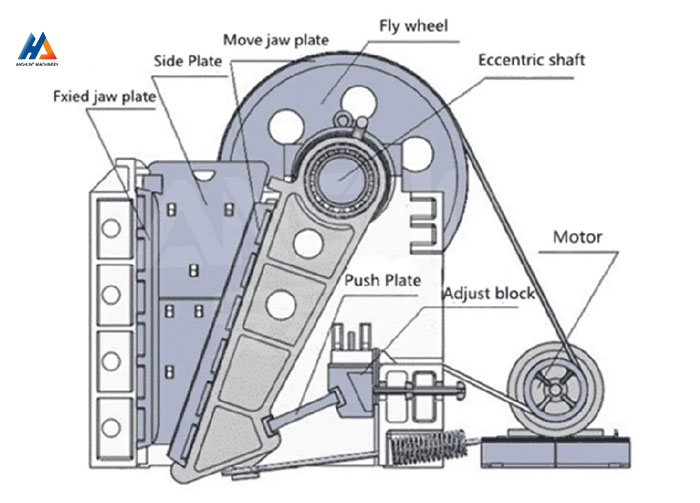
The motor drives the belt and pulley, making the movable jaw move up and down through the eccentric shaft. When the movable jaw rises, the angle between the toggle plate and the movable jaw becomes larger, thus pushing the movable jaw plate closer to the fixed jaw plate, and at the same time, the material is squeezed. To achieve the purpose of crushing, when the movable jaw moves downward, the angle between the toggle plate and the movable jaw becomes smaller, and the movable jaw plate leaves the fixed jaw plate under the action of the pull rod and spring. At this time, the crushed material is discharged from the lower opening of the crushing cavity. As the motor rotates, the crusher's movable jaw makes periodic movements to crush and discharge materials, realizing mass production.
Get Quote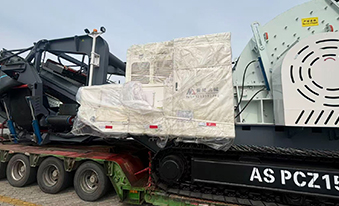
FAQ
What is the Difference Between the Fixed Jaw and the Swing Jaw?
The fixed jaw is bolted rigidly to the crusher frame and does not move. The swing jaw is mounted on a pitman arm and moves in an elliptical path driven by the eccentric shaft — forward to compress material, backward to release crushed product. Both jaws carry replaceable manganese steel jaw plates that take the direct wear from crushing. The fixed plate typically wears faster and is usually reversed (flipped top-to-bottom) to equalize wear before replacement.
How Often do Jaw Plates Need to be Replaced?
Jaw plate life depends heavily on material hardness and abrasiveness. On limestone, expect 500–1,500 operating hours. On granite or basalt, 300–800 hours is typical. High-manganese (Mn18%) plates last longer on hard, abrasive feed. We supply OEM jaw plates for all PE models and recommend keeping one spare set on site to minimize downtime during a planned change.
Can the CSS be Adjusted While the Crusher is Running?
Standard PE jaw crushers use rear-wedge CSS adjustment, which requires the machine to be stopped and the eccentric shaft to be at rest before adjustment. Hydraulic CSS adjustment systems — available as an option — allow gap changes under load without stopping production, which is particularly valuable for operations processing variable feed material.
What Causes a Jaw Crusher to Stall or Block?
The most common causes are: (1) feeding oversized material that exceeds the rated maximum feed size; (2) surge-loading — dumping a full truck directly into the crusher without a feeder to regulate feed rate; (3) wet, sticky material bridging at the feed opening; and (4) uncrushable objects (metal) triggering toggle plate fracture. A vibrating feeder in front of the jaw crusher prevents surge-loading and is strongly recommended for all fixed and mobile installations.
Is a PE Jaw Crusher Suitable for Mobile Crushing Plants?
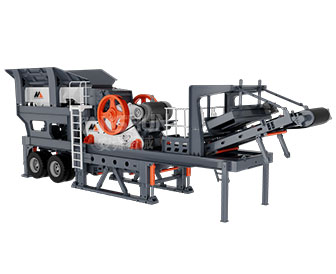
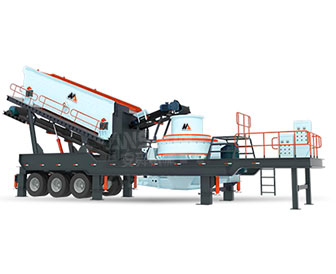
Yes — smaller PE models (PE400×600 through PE600×900) are commonly mounted on mobile chassis for primary crushing. For mobile applications where feed size is large and throughput requirements are high, the PE900 and above series are used on heavy wheeled or tracked carriers. European jaw crushers (C-series) are an alternative for hard-rock mobile applications where higher crushing force and CSS flexibility are priorities.