English

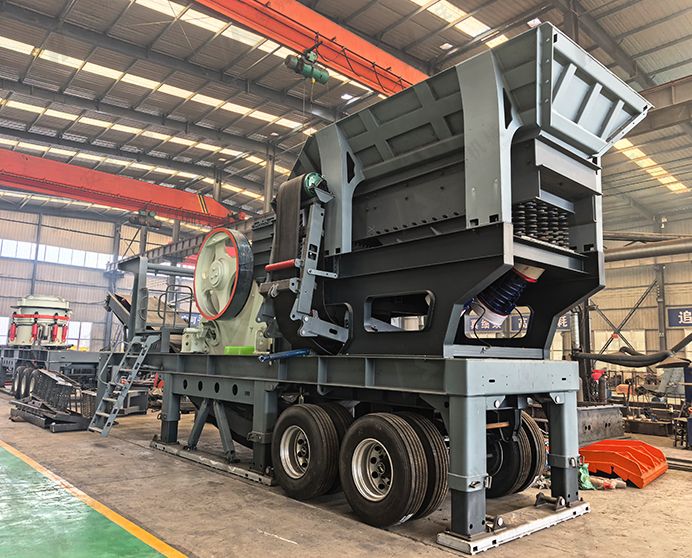
Mobile European Jaw Crusher Plant
Model: AL-C Series · Primary Crushing · Hard Rock & Ore
-
Capacity
100-395t/h
-
Feed Size
≤720mm
-
Power
Optional
- ISO9001
- CE
- EAC
We reply within 24 hours
Product Overview
What is a Mobile European Jaw Crusher Plant?
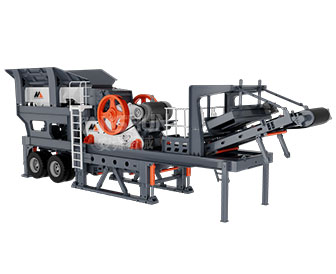
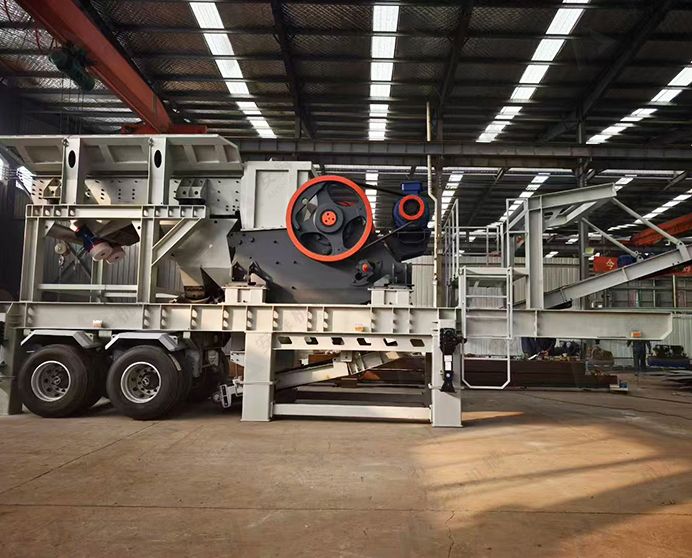
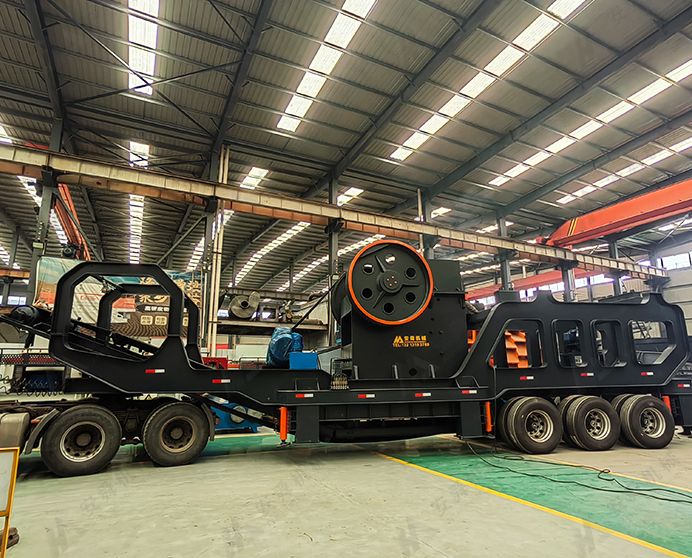
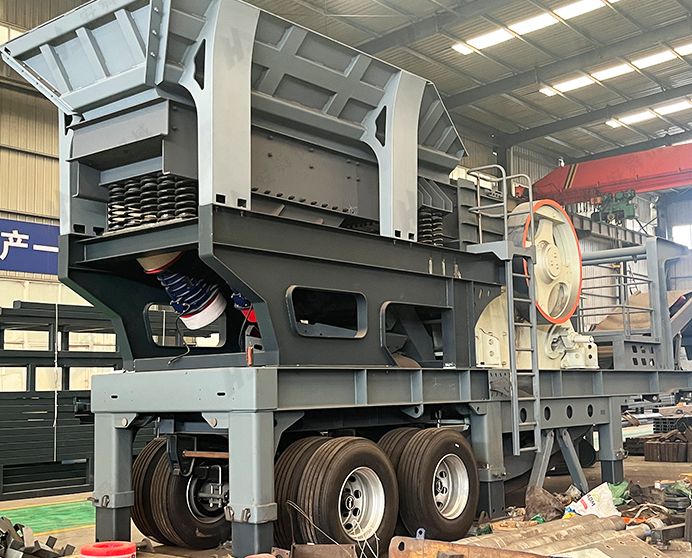
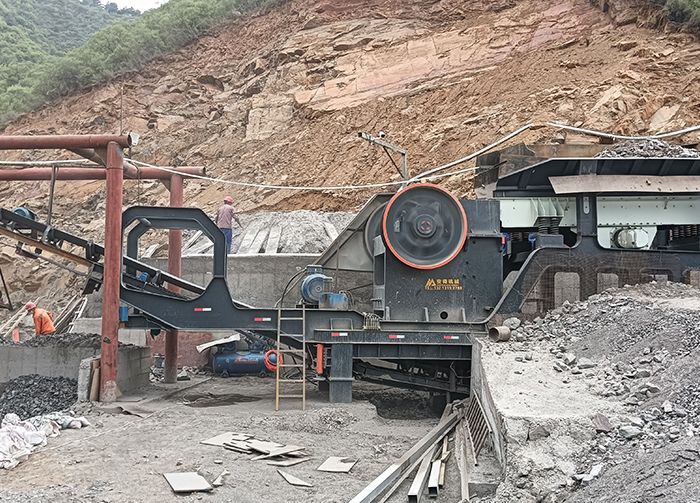
The Mobile European Jaw Crusher Plant (Model AL116) integrates a heavy-duty vibrating feeder, a C116 European jaw crusher, and a main discharge conveyor onto a single wheeled chassis — covering feeding, primary crushing, and product conveying without auxiliary equipment. The chassis tows with a standard semi-trailer tractor and requires no civil foundations, reducing site preparation to a matter of hours.
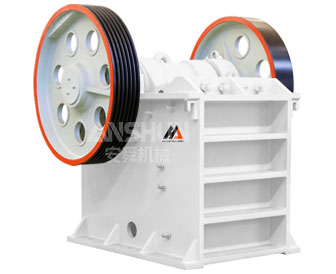
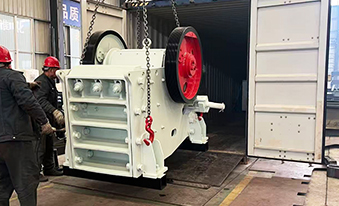
The C116 European jaw crusher at the heart of this plant is engineered for high crushing force, structural rigidity, and consistent output. Its optimized jaw geometry delivers efficient size reduction across a wide range of hard and abrasive feed materials, making this plant the primary crushing stage of choice for quarrying, mining, and recycling applications that demand both throughput and reliability.
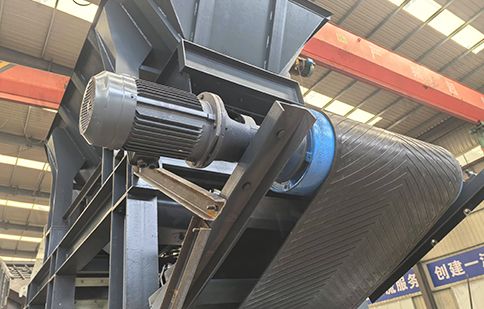
A built-in magnetic separator automatically pulls ferrous metal from the product belt — essential for concrete and demolition waste recycling. A side discharge conveyor handles stockpiling or transfers product to the next stage of the circuit.
Applicable Materials
Granite, Basalt, Limestone, River pebble, Concrete rubble, C&D demolition waste, Road milling material.
Industries
Quarrying & Aggregate Production, Hard Rock Mining, Highway, Railway & Hydraulic Engineering, Recycled Aggregate Processing.
Technical Specifications
|
Model |
AL116 |
|
Vibrating Feeder |
|
|
Specification |
ZSW1149 |
|
Power (kW) |
3.7*2 |
|
European Jaw Crusher |
|
|
Specification |
C116 |
|
Max. Feed Size (mm) |
132 |
|
Capacity (t/h) |
700 |
|
Power (kW) |
190-625 |
|
Main Belt Conveyor |
|
|
Specification |
B1000*8.7m |
|
Power (kW) |
11 |
|
Side Discharge Conveyor |
|
|
Specification |
B650*3.5m |
|
Power (kW) |
3 |
|
Magnetic Separator |
|
|
Specification |
RCYD-10 |
|
Axles |
2 |
Key Features & Advantages
-
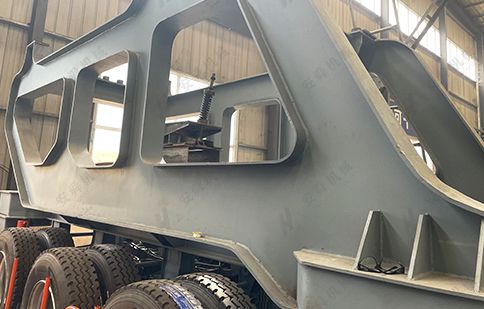
Powerful Crushing Performance
European jaw crusher design delivers high crushing ratio and large production capacity.
-
Optimized Crushing Chamber
Deep cavity structure supports larger feed size and higher throughput efficiency.
-
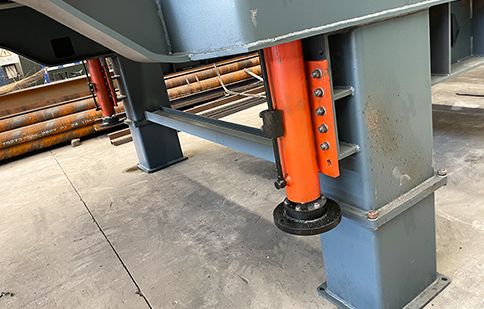
Flexible Mobility
Wheeled chassis design allows convenient highway transportation and fast relocation between sites.
-
Quick Installation
Integrated mobile structure reduces installation work and enables rapid production startup.
-
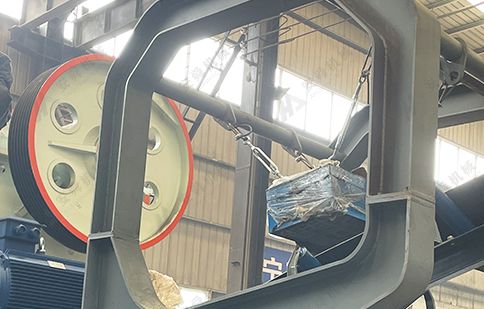
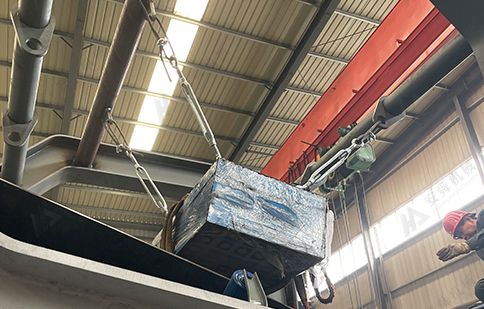
Stable and Durable Construction
Manufactured with Q355 high-strength steel for excellent impact resistance and longer service life.
What Is the Working Principle Of the Mobile European Jaw Crusher Plant
Raw material is loaded into the ZSW1149 vibrating feeder by excavator or dump truck. The feeder delivers a regulated, even flow to the C116 jaw crusher inlet and pre-screens fine particles through its grizzly bar section — protecting the jaw plates from fine-particle interference and keeping throughput at rated capacity.
Inside the C116, the fixed jaw and the swing jaw work together: the eccentric shaft drives the swing jaw through a forward stroke, compressing feed material against the fixed jaw until it fractures. Material drops through the jaw gap and exits onto the B1000 main belt conveyor. As product travels up the belt, the RCYD-10 magnetic separator extracts ferrous metal automatically, discharging it clear of the product stream.
The crushed product discharges either to the main belt stockpile or is diverted to the B650 side discharge conveyor for direct feed to a secondary crusher or a separate product pile. Output size is adjusted by changing the jaw CSS (closed-side setting) — a hydraulic adjustment system is available for fast, tool-free gap changes.
Get Quote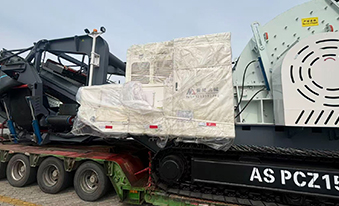
FAQ
What is the Difference Between a European Jaw Crusher and a Standard Jaw Crusher?
European jaw crushers (C-series) use a deeper crushing chamber, a larger eccentric throw, and a stiffer welded steel frame compared to traditional PE-series jaw crushers. This increases crushing force per stroke, reduces unproductive wear, and allows higher throughput for the same inlet width — particularly relevant for hard materials like granite and basalt.
Can the AL116 Operate as a Standalone Plant or Does it Need a Secondary Crusher?
The AL116 can operate standalone when the target product is coarse aggregate (0–100 mm or coarser). For applications requiring finer output — railway ballast, manufactured sand, or close-graded roadstone — a secondary cone crusher and screening unit should follow. The plant’s side discharge conveyor is designed to feed a secondary unit directly.
How Quickly Can the Jaw Gap (CSS) be Adjusted to Change Product Size?
CSS adjustment on the C116 is performed via wedge adjustment at the rear of the crusher. With the optional hydraulic adjustment system, gap changes take under 10 minutes and require no manual shim work. Standard wedge adjustment takes 20–30 minutes. Both methods are tool-free for the operator.
What is the Expected Jaw Plate Service Life on Granite?
On granite at typical hardness (200–250 MPa), manganese steel jaw plate life is typically 200–500 operating hours depending on feed gradation and CSS setting. Finer CSS settings and irregular, angular feed accelerate wear. We supply OEM manganese jaw plates for all C-series models and recommend keeping one spare set on site.
Is On-site Commissioning Support Available?
Remote commissioning support via video call is included at no charge. On-site engineer dispatch is available as an optional paid service — lead time and cost depend on location. Please discuss before purchase.