English

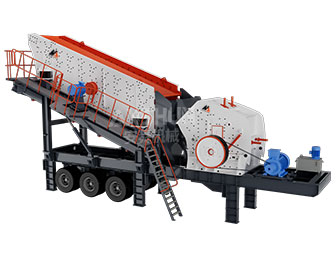
Mobile Screening Plant
Model: S Series · Mobile Screening · Construction Waste & Stone
-
Capacity
65-810t/h
-
Feed Size
≤400mm
-
Power
Optional
- ISO9001
- CE
- EAC
We reply within 24 hours
Product Overview
What Is a Mobile Screening Plant?
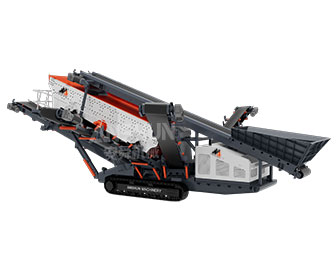
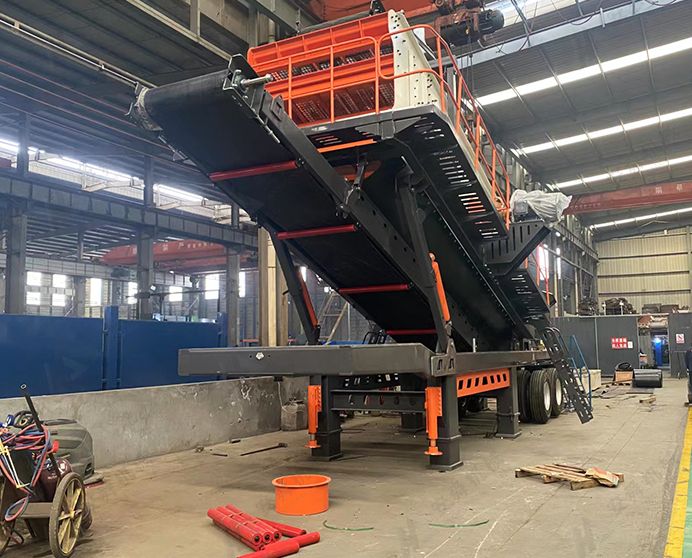
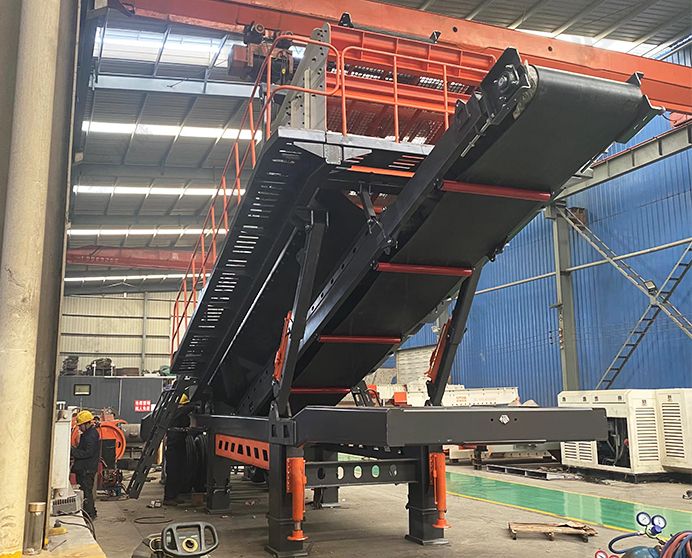
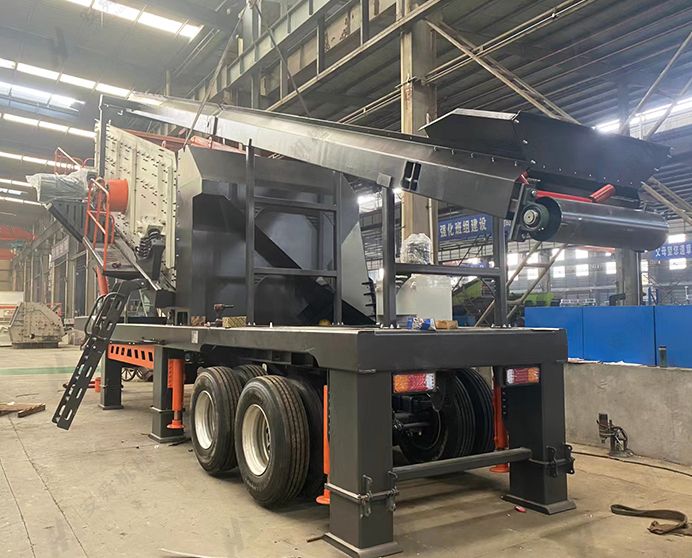
The mobile screening plant combines a heavy-duty triple-deck circular vibrating screen (3YZK series) with a purpose-built mobile chassis, delivering a self-contained classification unit that can be deployed, repositioned, and relocated without civil foundation work or fixed infrastructure.
The circular vibrating screen uses an eccentric-block and universal-shaft drive to generate a consistent circular throwing motion across the full screen surface. Side plates are fabricated from Q355 boiler-grade steel – tougher and more tear-resistant than standard structural plate – and cross beams are milled and annealed at both ends to maximize frame rigidity under continuous vibration. A large 8–12 mm vibration amplitude throws material more aggressively than conventional screens, allowing fine particles to penetrate the mesh faster and raising effective screening efficiency. Compared to standard amplitude units of the same screen area, output is typically 20–40% higher.
Three standard models cover screen widths from 1800 mm to 2400 mm and capacities from 65 t/h to 810 t/h, serving small quarry secondary classification through to high-volume aggregate and mining screening lines.
Applicable Materials
Granite, Basalt, Limestone, River Pebble, Quartzite, Construction & Demolition Waste, Coal, Slag, Iron Ore, Copper Ore.
Industries
Aggregate & Quarrying, Hard Rock Mining, Sand & Gravel Processing, Highway, Railway & Hydraulic Engineering, C&D Waste Recycling, Coal Preparation.
Technical Specifications
|
Mobile Screening Plant Technical Parameters |
||||
|
Standard Model |
Corollary Equipment |
Overall Dimension (mm) |
||
|
Model |
Feeding Size (mm) |
Capacity (t/h) |
||
|
S-S1860 |
3YZK1860 |
≤400 |
65-586 |
10500×2700×4200 |
|
S-S2160 |
3YZK2160 |
≤400 |
81-720 |
10500×3000×4500 |
|
S-S2460 |
3YZK2460 |
≤400 |
100-810 |
10500×3200×4500 |
Key Features & Advantages
-
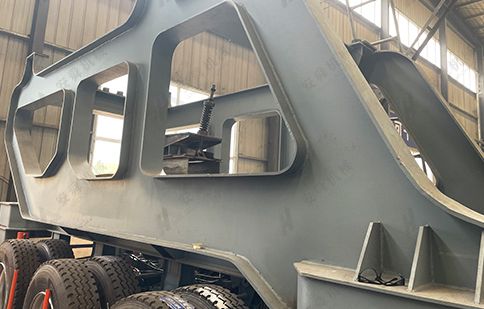
Heavy-Duty Q355 Steel Structure
Pressure-vessel-grade steel construction provides superior toughness, fatigue resistance, and longer service life under continuous vibration.
-
High-Efficiency Screening Performance
Large 8–12 mm vibration amplitude increases material stratification and delivers 20–40% higher throughput than conventional screens.
-
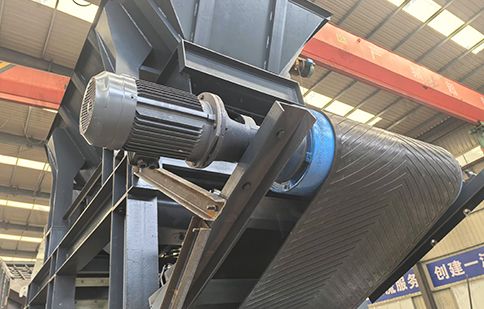
Optimized Vibration Drive System
Eccentric-block exciter and universal-shaft transmission ensure stable operation, reduced bearing wear, and consistent screening performance.
-
Flexible Screen Media Options
Polyurethane, woven wire, and manganese steel screen media are available to suit different materials and operating conditions.
-
Fast Mobility & Quick Setup
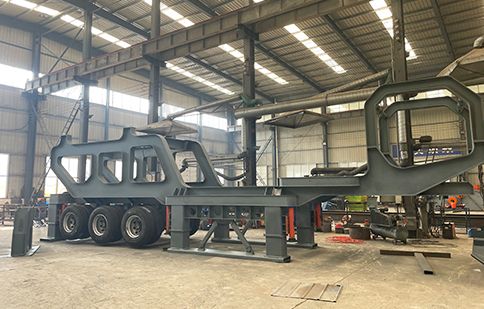
Mounted on a mobile chassis for easy transportation and rapid deployment without concrete foundations.
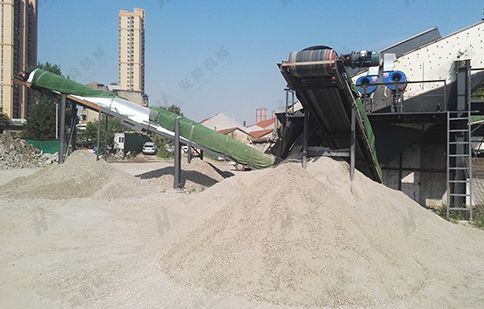
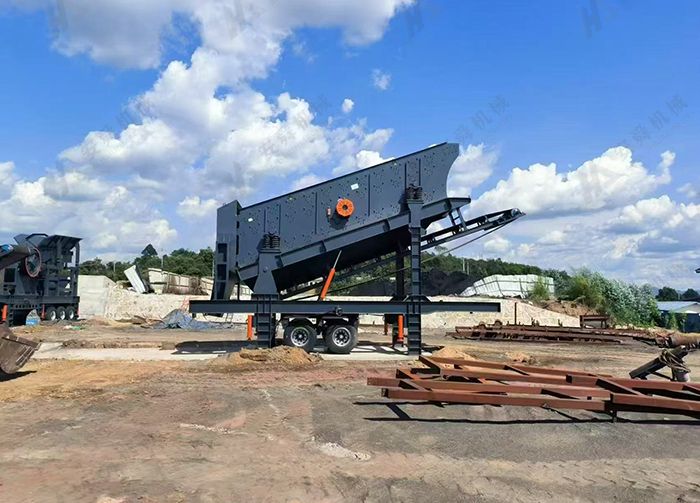
What Is the Working Principle of the Mobile Screening Plant?
Feed material is delivered to the top deck of the triple-layer circular vibrating screen from a hopper or belt feeder. The eccentric-block exciter, driven through a universal-shaft coupling, imparts a circular vibratory motion to the screen body. Material is stratified and conveyed forward along the inclined screen surface; particles smaller than the top-deck aperture fall through to the second deck, where the process repeats at a smaller aperture, and again to the third deck.
Oversized material from each deck is discharged at the lower end as a separate product fraction. The circular throwing motion - combined with the large 8–12 mm amplitude - ensures fine particles migrate downward through the material bed and contact the mesh frequently, maximizing passage rate and screening efficiency.
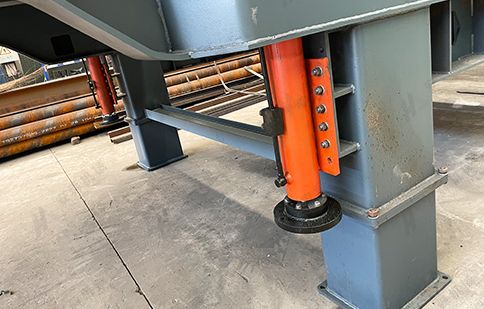
The mobile chassis allows the entire unit to be towed to a new position without dismantling, and the screen body can be levelled on uneven ground using the built-in support legs.
Get Quote
FAQ
What is the Difference Between a Circular Vibrating Screen and a Linear Vibrating Screen?
A circular vibrating screen generates a circular or elliptical material trajectory by driving the screen body through an eccentric mechanism. This longer throwing path keeps material in motion longer per cycle and improves stratification and fine-particle passage rate – particularly valuable for multi-deck classification of mixed-size feed. A linear vibrating screen uses two contra-rotating motors to produce a straight-line throwing motion suited to dewatering and fine scalping but generally less efficient for multi-product sizing at high feed rates.
How do I Select Screen Media Type for My Application?
Use polyurethane panels for wet or clay-contaminated material where wire mesh would blind quickly; they resist adhesion and are easy to replace. Use welded-wire panels for dry classification of hard aggregate where aperture accuracy matters. Use manganese-steel wire mesh for highly abrasive feed such as crushed granite or basalt where wear resistance is the priority. When in doubt, we recommend trialling polyurethane on the fine deck and wire mesh on the upper decks as a cost-effective starting configuration.
Can the Mobile Screening Plant Work With a Mobile Crusher?
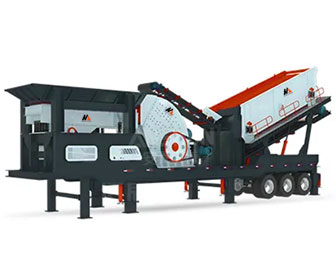
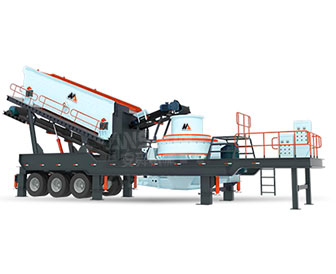
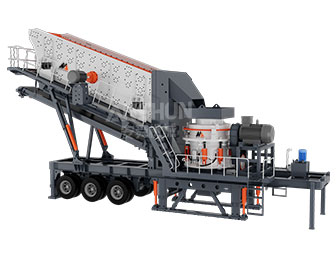
Yes – the S-S series is designed to operate as part of a mobile crushing and screening train. The plant can receive feed directly from a mobile jaw or cone crusher discharge conveyor and return oversized material for recirculation. Standard conveyor heights and transfer dimensions are compatible with the most common mobile primary and secondary crusher configurations.
How Long Does it Take to Set up and Commission on Site?
For experienced operators, tow-in, levelling, and first-feed typically takes under two hours. No civil foundation preparation is needed. Initial screen media inspection and belt tension checks add approximately 30 minutes. Full production capacity is normally reached within the first hour of feeding as the operator optimises feed rate and checks discharge gradations.
What Maintenance Intervals are Required?
Grease the exciter bearings every 200–250 operating hours. Inspect torque-shear bolt integrity and screen media for wear or blinding every 500 hours. Replace screen media at first sign of aperture deformation or wire fatigue – running worn media reduces efficiency and can damage the deck frame. Exciter oil change is recommended every 1,200 hours. Full bearing replacement interval depends on operating conditions but is typically 4,000–6,000 hours with correct lubrication.