English

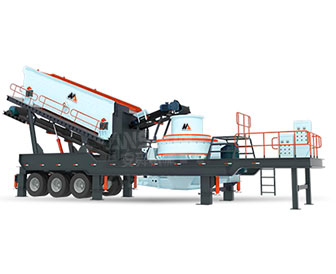
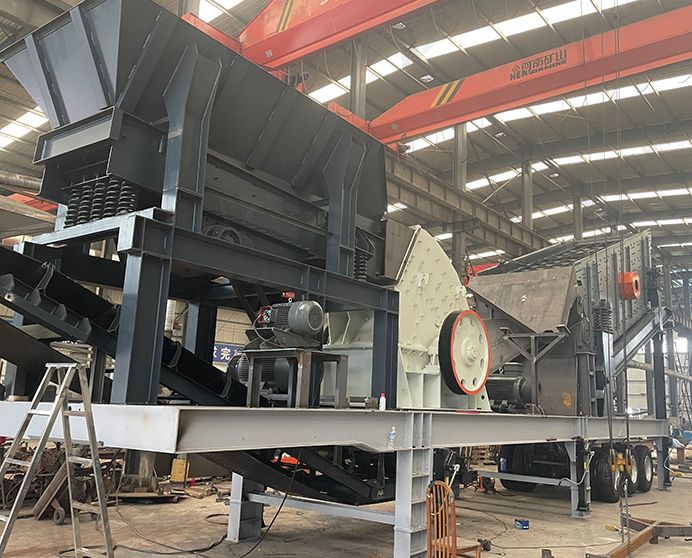
Mobile Heavy Hammer Crusher Plant
Model: S-PCZ Series · Primary Crushing · Soft Rock & Ore
-
Capacity
100-350t/h
-
Feed Size
≤700mm
-
Power
Optional
- ISO9001
- CE
- EAC
We reply within 24 hours
Product Overview
What is a Mobile Heavy Hammer Crusher Plant?
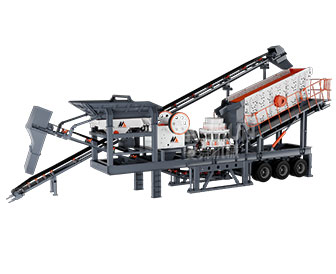
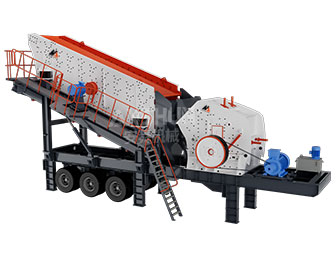
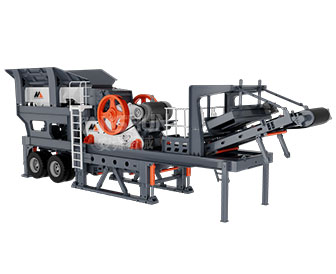
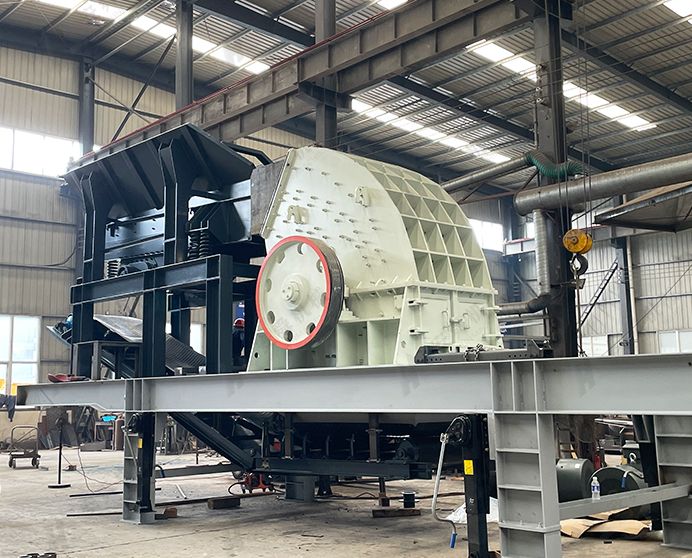
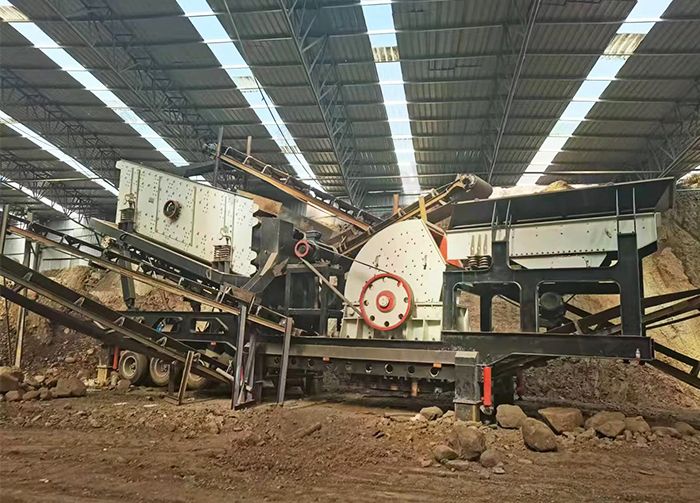
The Mobile Heavy Hammer Crusher Plant is built around the PCZ series heavy-duty hammer crusher – a high-speed rotor fitted with massive forged alloy hammers that reduces 500–700 mm feed directly to finished aggregate in a single pass. Where a conventional mobile line needs a jaw crusher plus a secondary impactor, this plant delivers the same result with one machine on one chassis: lower investment, less fuel, less maintenance.
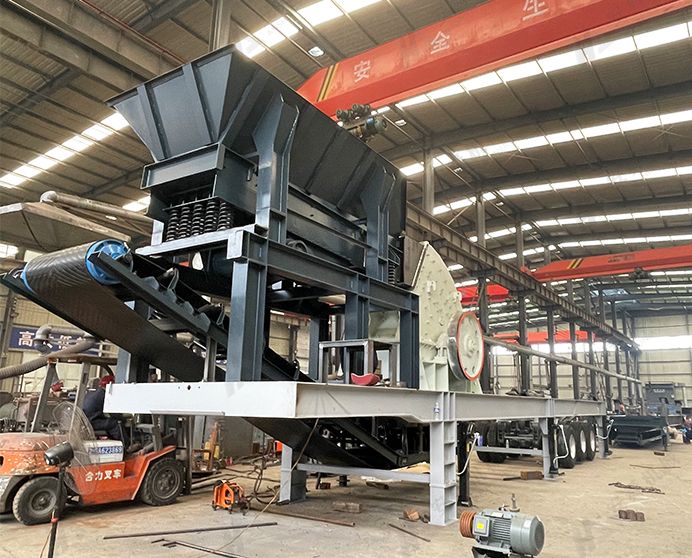
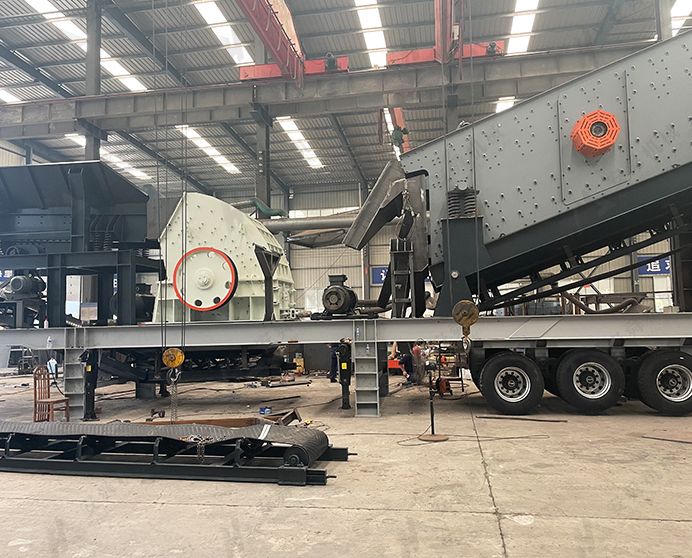
Mounted on a wheeled chassis with a gooseneck drawbar, it tows to site with a standard semi-trailer tractor and is ready to produce within 2–4 hours of arrival – no foundations, no civil works. An integrated ZSW vibrating feeder pre-screens fines before they reach the rotor, protecting hammers and keeping output consistent. An optional vibrating screen closes the circuit when tighter product gradation is required.
Applicable Materials
Limestone, Gypsum, Coal, Calcium carbide, Soft dolomite, Soft-medium sandstone, Salt, Construction & demolition waste, Mine tailings, Clinker (compressive strength ≤200MPa).
Industries
Mining & Quarrying, Aggregate Production, Cement & Building Materials, Coal Processing, C&D Waste Recycling, Chemical Raw Material Crushing.
Technical Specifications
|
Mobile Heavy Hammer Crusher Plant Technical Parameters |
|||||
|
Standard |
Corollary Equipment |
Corollary Equipment |
Overall |
||
|
Model |
Feeding Size(mm) |
Capacity(t/h) |
|||
|
S-PCZ1308-S18 |
3YZK1860 |
PCZ1308 |
≤500 |
100-160 |
13800x2500x4200 |
|
ZSW9638 |
|||||
|
S-PCZ1512-S22 |
3YZK2260 |
PCZ1512 |
≤700 |
200-350 |
15000x3000x4500 |
|
ZSW1142 |
|||||
Mobile Heavy Hammer Crusher Plant Advantages
-
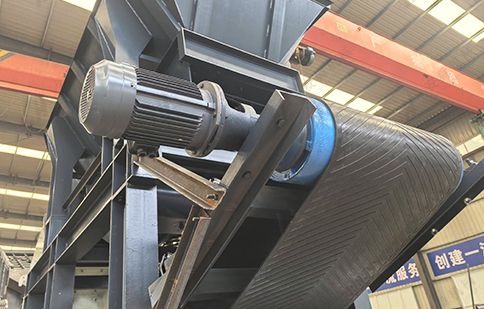
One-Stage Coarse-to-Fine Crushing - Lower Cost per Ton
Crushing ratio up to 30:1 - 500–700 mm feed in, 25–50 mm finished aggregate out, in a single pass. No secondary stage needed, which cuts equipment cost, fuel, and daily maintenance.
-
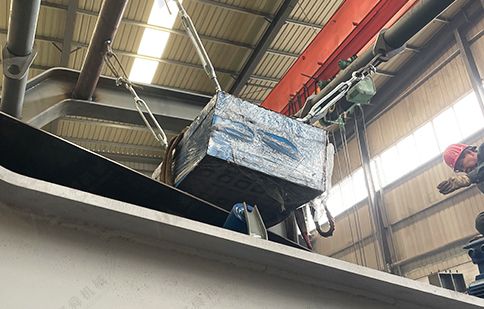
Fast Relocation - Road to Production in 2–4 Hours
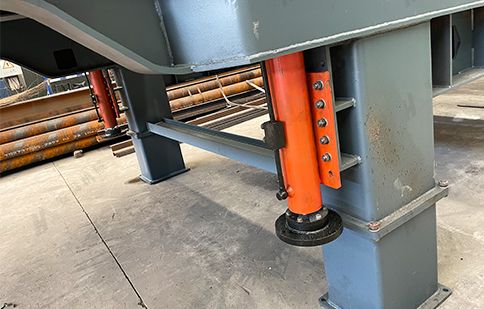
Tows with a standard semi-trailer tractor. Hydraulic outrigger legs stabilize the unit on arrival. No civil works, no foundations - ideal for projects where the production front moves.
-
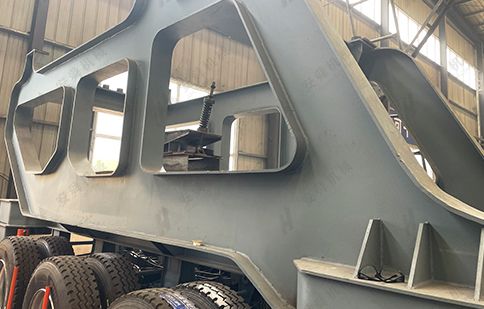
High-Inertia Rotor Handles Variable Large-Lump Feed
Oversized forged hammers maintain rotor energy through sudden load spikes, preventing stall-outs and delivering consistent product size even when feed gradation varies.
-
Integrated Vibrating Feeder Protects Hammers and Maximizes Output
The ZSW feeder pre-screens soil and small fines before they reach the rotor, reducing unproductive hammer wear and keeping the crusher at rated capacity throughout the shift.
How the Mobile Heavy Hammer Crusher Plant Works
Material is loaded directly into the ZSW vibrating feeder by excavator or dump truck. The feeder shakes material forward at a controlled rate, pre-screening out fine particles through the grizzly bar section. Oversized feed passes on to the heavy hammer crusher inlet.
Inside the crusher, the high-speed rotor - spinning at 490–800 RPM depending on model - drives massive forged hammers outward by centrifugal force. Feed material entering the crushing chamber is struck by the hammers at high velocity, then propelled against the breaker plates and grate bars for further size reduction. Material that passes through the grate bar gaps exits as finished product onto the discharge conveyor. Material above size is recirculated within the crushing chamber until it passes through.
For applications requiring strict product gradation, a circular vibrating screen can be integrated downstream to return oversize back to the crusher in a closed circuit. For open-circuit operation - feeding a secondary crusher or accepting a wider product band - the screen is bypassed or removed.
Get Quote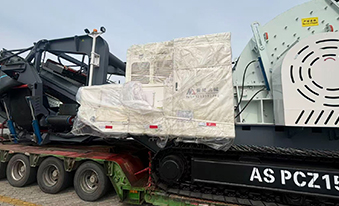
FAQ
What Materials is the Heavy Hammer Crusher NOT Suitable for?
The PCZ series is designed for soft-to-medium materials with compressive strength up to approximately 200 MPa and low abrasiveness. High-silica materials such as granite, quartzite, and hard basalt cause rapid hammer wear and are better processed by jaw or cone crushers. Please submit your material analysis when requesting a quote – we will confirm suitability and expected wear part life.
How Does the Heavy Hammer Plant Compare to a Mobile Jaw Crusher in Capital and Operating Cost?
For soft-to-medium materials, the heavy hammer plant typically achieves lower cost per ton. One machine replaces a primary jaw plus secondary impactor, reducing equipment investment and maintenance complexity. Power consumption per ton of finished product is also lower when material hardness is within the design range. For hard or highly abrasive materials, the jaw crusher route is more economical due to lower wear costs.
How Long do the Hammers Last, and how Difficult are They to Replace?
Hammer service life depends on material hardness and feed size. For limestone, typical hammer life is 600–1,200 operating hours. For coal or soft dolomite, expect 1,500–2,500 hours. Hammer replacement does not require specialized tools – the rotor access panel opens fully for clear access, and a single technician can change a full hammer set in 4–6 hours. We stock hammer sets for all standard PCZ models for fast dispatch.
Can the Plant Operate Without the Vibrating Feeder?
The vibrating feeder is a critical protective component and is not recommended to be bypassed. Without regulated feed, sudden surge loading of the crusher increases peak rotor stress, accelerates hammer wear, and risks blockage at the crusher inlet. For continuous production, the feeder also enables the crusher to run at optimal speed and load rather than reacting to dump-truck discharge cycles.
What is the Recommended Power Supply for Site Operation?
The plant is typically powered by an on-site diesel genset or grid connection depending on site conditions. We can advise on generator sizing requirements based on the specific model configuration and expected operating conditions. Contact us with your site power availability details when requesting a quotation.
Do You Provide On-site Commissioning?
Remote commissioning guidance via video call is provided at no charge for all units. On-site engineer dispatch is available as an optional paid service – availability and cost depend on your location. Please contact us to discuss options before purchase.