English

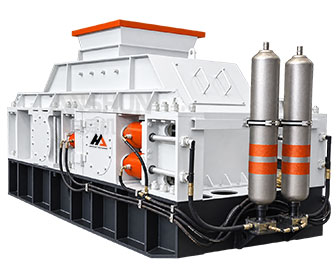
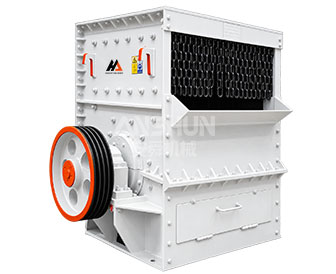
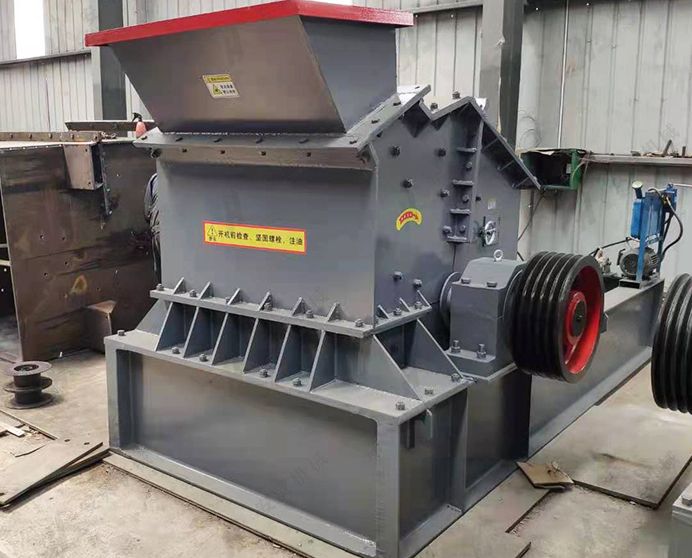
High-efficiency Fine Crusher
Model: Fine Series · Sand Making · Soft-medium brittle rock & Cement clinker
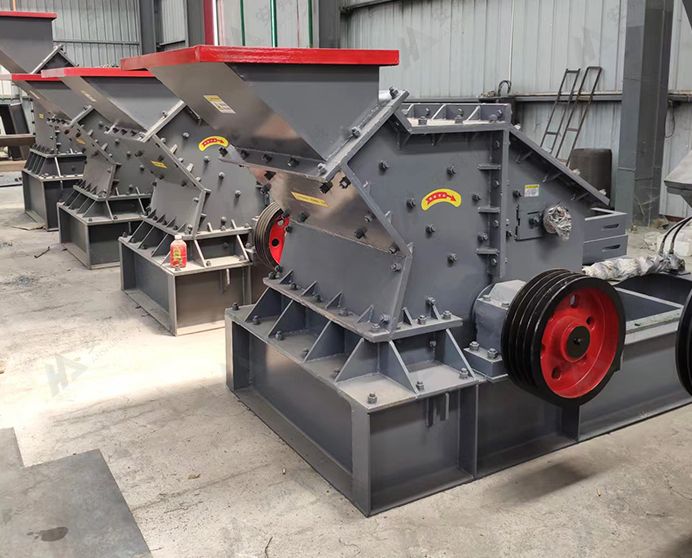
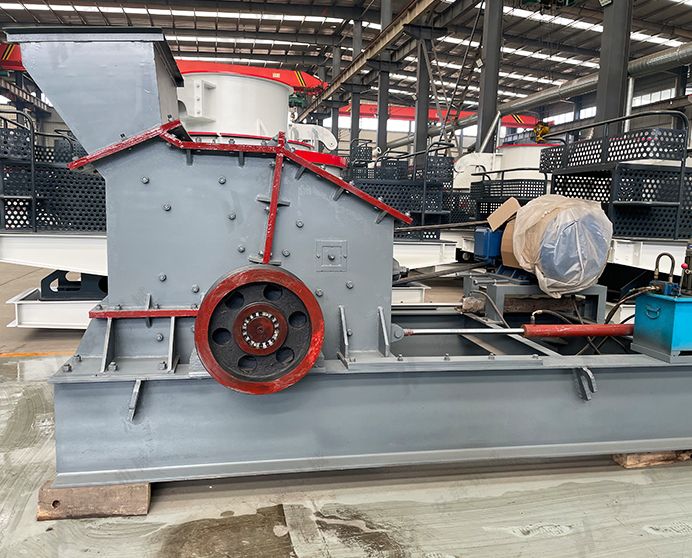
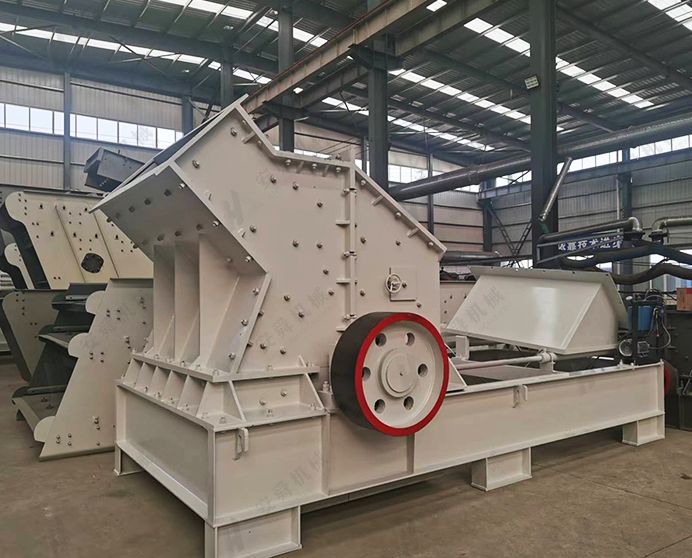
-
Capacity
20-315t/h
-
Feed Size
≤230mm
-
Power
37-250kw
- ISO9001
- CE
- EAC
We reply within 24 hours
Product Overview
What is a High-efficiency Fine Crusher?
The High-Efficiency Fine Crusher is a tertiary and ultra-fine crushing machine designed to produce a high proportion of sub-5 mm product – typically ≥85% passing 5 mm – from feed material up to 230 mm. Where conventional secondary crushers leave a broad size distribution requiring extensive screening and recirculation, the fine crusher delivers a concentrated fine output in a single pass, reducing downstream screen load and the number of recirculation passes required to meet product specification.
The machine is particularly suited to brittle, low-to-medium abrasiveness materials: cement clinker, limestone, and glass cullet are the primary applications. Eight models cover feed inlet sizes from 400×260 mm to 1800×650 mm and capacities from 20 t/h (800×400 on clinker) up to 310 t/h (1800×1800 on limestone), with adjustable discharge gap from 5 to 20 mm to tune the product size band to the target specification.
Applicable Materials
Cement clinker, Limestone, Glass cullet, Soft-medium brittle rock ≤160 MPa, Industrial minerals, Slag.
Industries
Cement Production (pre-grinding), Glass Recycling & Processing, Limestone Fine Crushing, Aggregate Final Stage, Building Materials, Chemical Minerals.
Best suited for brittle materials with compressive strength ≤160 MPa. Not recommended for highly abrasive hard rock – contact us to confirm suitability for your material.
Technical Specifications
|
Model |
800×400 |
800×600 |
800×800 |
1010×1010 |
1200×1200 |
1400×1400 |
1600×1600 |
1800×1800 |
|
Feeding Inlet Size(mm) |
400×260 |
580×260 |
750×260 |
1000×350 |
1200×420 |
1400×600 |
1600×600 |
1800×650 |
|
Feeding Material(mm) |
<120 |
<120 |
<180 |
<180 |
<180 |
<230 |
<230 |
<230 |
|
Discharge Size(mm) |
<5 85% |
<5 85% |
<5 85% |
<5 85% |
<5 85% |
<5 85% |
<5 85% |
<5 85% |
|
Discharge Seam Adjustment Width |
5-20 |
5-20 |
5-20 |
5-20 |
5-20 |
5-20 |
5-20 |
5-20 |
|
Cement Clinker |
20-30 |
25-35 |
35-45 |
45-55 |
100-110 |
90-120 |
170-210 |
250-270 |
|
Limestone |
35-45 |
40-50 |
55-65 |
65-75 |
90-100 |
100-150 |
190-250 |
280-310 |
|
Glass |
34-40 |
40-50 |
55-65 |
65-75 |
90-120 |
100-132 |
190-250 |
280-310 |
|
Power |
22-37 |
45-55 |
45-55 |
55-75 |
110-132 |
132 |
250 |
315 |
Key Features & Advantages
-
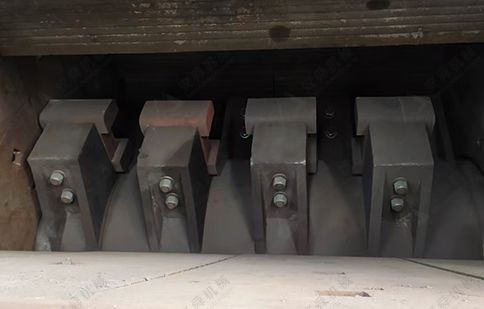
≥85% Sub-5 mm Output - Near Finished Product in One Pass
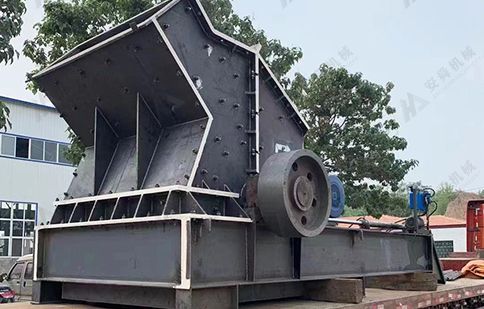
The machine's crushing geometry and high roll surface speed are optimised to consistently produce ≥85% passing 5 mm from a single crushing pass. Compared to secondary cone or impact crushers that typically yield 40–60% sub-5 mm, the fine crusher dramatically reduces recirculation load and the number of screening passes required to meet a fine aggregate or pre-ground cement specification.
-
5–20 mm Adjustable Discharge Gap - Flexible Product Sizing
The discharge gap is continuously adjustable from 5 mm to 20 mm, allowing operators to tune the product size distribution to the target specification without changing liners or internal components. Narrowing the gap increases the sub-5 mm fraction; widening it shifts output coarser when a broader distribution is acceptable.
-
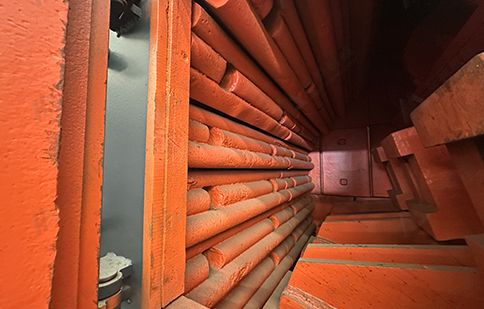
Dedicated Material-Specific Capacity Data - Accurate Production Planning
Capacity is published separately for cement clinker, limestone, and glass - three materials with meaningfully different crushing characteristics. This allows accurate production planning and avoids the over- or under-sizing that results from using a single generic capacity figure across all applications.
-
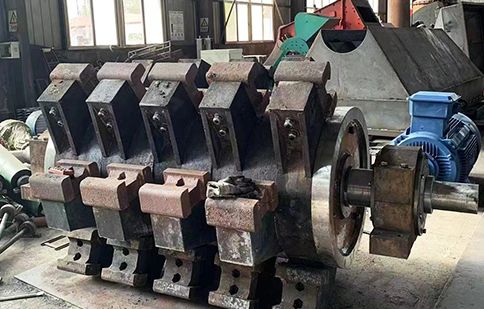
Low-Speed Compression Crushing - Reduced Dust and Noise
The fine crusher operates at low roll speed using compressive force rather than high-velocity impact. Low-speed compression generates significantly less airborne dust and lower noise levels than hammer or impact fine crushers - an operational and environmental advantage in enclosed or urban-adjacent processing facilities.
-
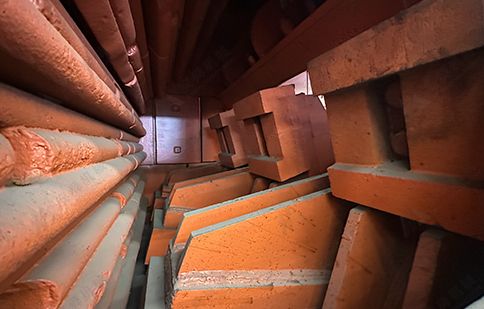
Wide Model Range - 20 t/h to 310 t/h
Eight models from 800×400 to 1800×1800 cover every scale from small cement grinding pre-treatment lines to large aggregate final crushing stages. Consistent design principles across the range simplify operator training and spare parts management.
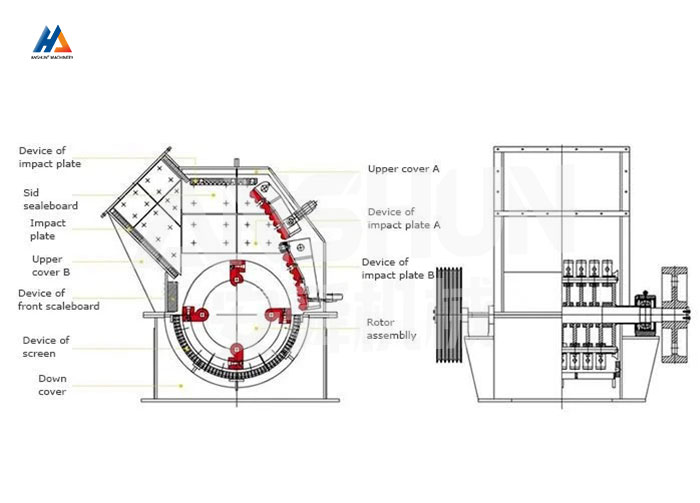
What Is the Working Principle Of the High-Efficiency Fine Crusher
Feed material enters the crushing chamber through the inlet opening and passes between two counter-rotating roll surfaces driven at controlled speed. As material enters the nip zone, the converging roll surfaces apply progressive compressive force, fracturing brittle material along its natural cleavage planes into fine particles. The narrow nip geometry and high surface contact stress are optimised to maximise the proportion of sub-5 mm product while minimising unproductive re-crushing of material that has already passed the target size.
Product exits from the bottom of the rolls and discharges onto the conveyor. The discharge gap - set between 5 and 20 mm - controls the maximum exit size and directly determines the product gradation. For cement clinker and glass applications, the gap is typically set at 5–8 mm to maximise the sub-5 mm fraction; for limestone where a broader fine aggregate product is acceptable, gaps of 10–15 mm reduce power consumption while still delivering the target passing specification.
Get Quote
FAQ
How Does The Fine Crusher Compare to a Vsi Sand Maker for Producing Sub-5 Mm Product?
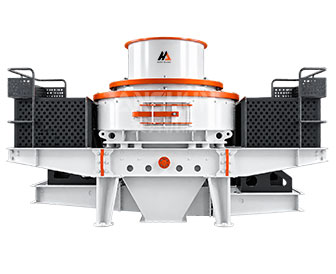
VSI sand makers use high-velocity impact and are well suited to hard, abrasive materials (granite, river pebble, quartzite) where impact fracture is more energy-efficient than compression. The fine crusher uses low-speed compression and is better suited to soft-to-medium brittle materials (clinker, limestone, glass) where compression fracture produces the same sub-5 mm output at lower wear cost and less dust. For hard abrasive feed, the VSI is the correct choice; for brittle, low-abrasion materials, the fine crusher typically offers lower operating cost per ton.
Can the Discharge Gap be Adjusted While The Machine is Running?
No – discharge gap adjustment requires the machine to be stopped and the drive isolated. Adjustment is made via the gap setting mechanism on the floating roll housing. Always confirm the gap is equal at both ends of the roll (parallel) before restarting. Plan gap changes during scheduled maintenance windows; the adjustment itself takes 10–20 minutes.
What Causes Premature Roll Surface Wear and How is it Repaired?
Premature wear is caused by feeding oversized material above the rated maximum, highly abrasive feed beyond the design hardness, or running the gap too tight for the feed size (high contact stress on uncrushable particles). Roll surfaces are restored by hardfacing weld – depositing wear-resistant alloy on the worn surface and grinding back to profile. Hardfacing can extend total roll life by 2–3× versus roll replacement and can be performed on-site with rolls removed. OEM hardfacing specifications are available for all models.
Is this Machine Suitable for Wet or Sticky Feed?
The fine crusher handles moderate moisture (up to 8%) on most materials without significant performance loss. Wet cement clinker or sticky clay-bound limestone can build up in the nip zone and on the roll surfaces, reducing compression efficiency and requiring more frequent cleaning. Scraper blades on the roll surfaces mitigate build-up. For consistently wet or sticky feed above 8% moisture, discuss feed pre-conditioning or alternative machine selection with us.
Is On-site Commissioning Support Available?
Remote commissioning support via video call is included at no charge. On-site engineer dispatch is available as an optional paid service — lead time and cost depend on location. Please discuss before purchase.