English

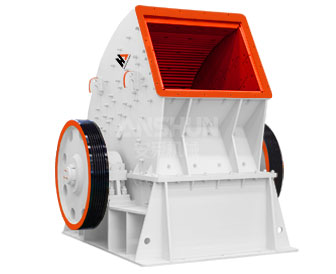
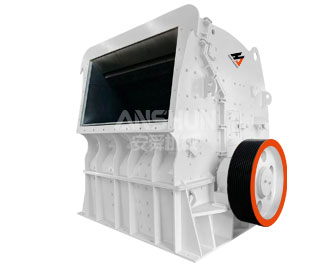
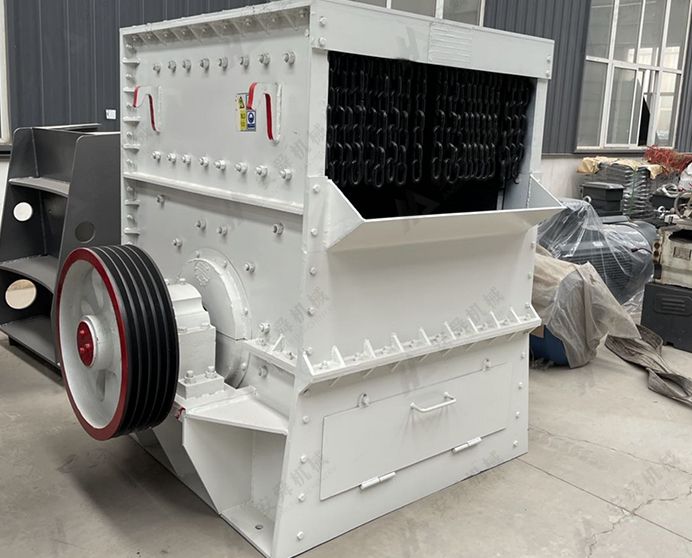
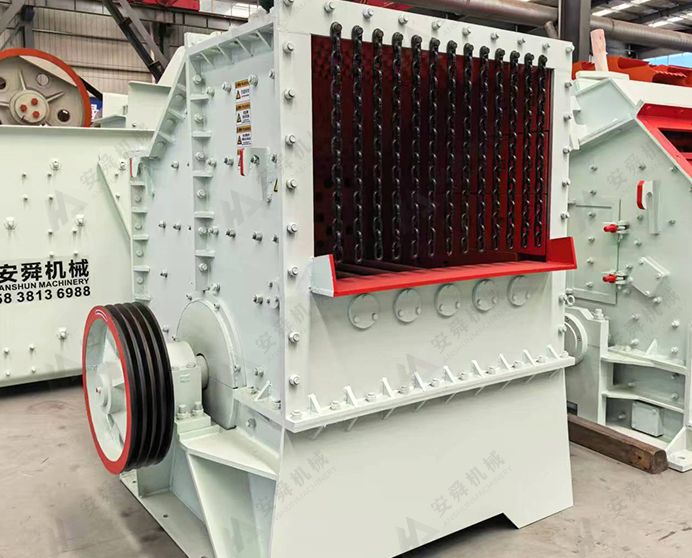
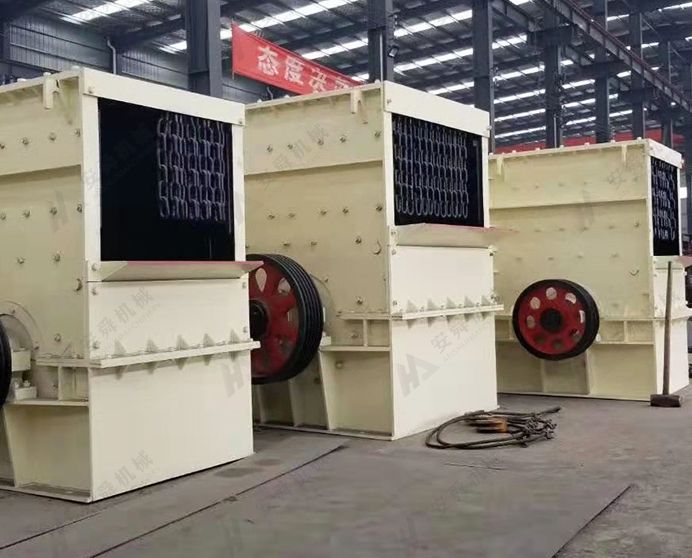
Stone Box Crusher
Model: Box Series · Primary & Medium Crushing · Limestone & Coal
-
Capacity
50-400t/h
-
Feed Size
≤1200mm
-
Power
45-280kw
- ISO9001
- CE
- EAC
We reply within 24 hours
Product Overview
What is a Stone Box Crusher?
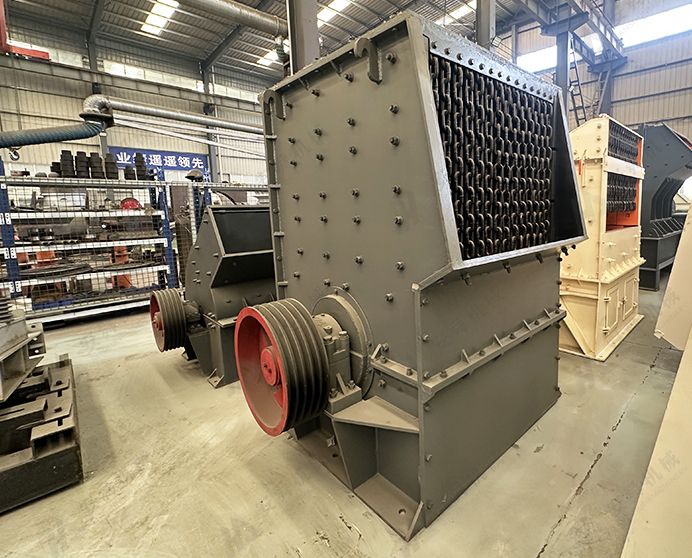
The Stone Box Crusher is a compact, box-frame impact crusher designed for primary and secondary crushing of stone and ore with compressive strength up to 300 MPa. Named for its rigid, fully enclosed box-section steel frame, the machine houses a heavy rotor fitted with impact hammers that break feed material through high-velocity impact against the rotor and the surrounding breaker liners – delivering a high reduction ratio in a single crushing stage.
Seven standard models cover rotor diameters from 700 mm to 1,800 mm and capacities from 50 t/h up to 400 t/h, with feed acceptance up to 1,200 mm on the largest unit. The box frame design maximizes structural rigidity relative to machine size, making the Stone Box Crusher particularly well suited to mobile crushing applications, quarry primary stations, and operations where installation footprint is constrained.
Applicable Materials
Limestone, Granite, Basalt, River pebble, Dolomite, Coal, Soft-to-medium ore, Construction waste, All stone types with compressive strength ≤300 MPa.
Industries
Quarrying & Aggregate Production, Mining, Highway, Railway & Hydraulic Engineering, Cement & Building Materials, C&D Waste Recycling, Mobile Crushing Lines.
Technical Specifications
|
Model |
700×1000 |
900×1200 |
1000×1000 |
1000×1200 |
1400×1400 |
1600×1600 |
1800×1800 |
|
Rotor Diameter(mm) |
700 |
900 |
1000 |
1200 |
1400 |
1600 |
1800 |
|
Rotor Length(mm) |
1000 |
1200 |
1000 |
1000 |
1400 |
1600 |
1800 |
|
Production(t/h) |
50-80 |
70-100 |
90-120 |
90-120 |
190-210 |
250-300 |
300-400 |
|
Input Size(mm) |
≤500 |
≤800 |
≤800 |
≤900 |
≤1000 |
≤1000 |
≤1200 |
|
For Stone |
Various types of stone(compressive strength under 300mpa) |
||||||
|
Power(kW) |
45-55 |
75-90 |
75-90 |
90-110 |
132-160 |
160-210 |
210-280 |
Key Features & Advantages
-
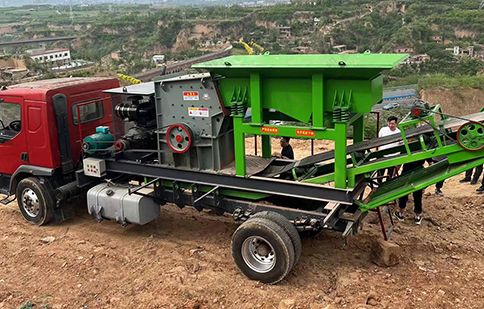
Rigid Box-Frame Structure - High Strength, Compact Footprint
The fully enclosed box-section steel frame delivers maximum structural rigidity for its size. Greater frame stiffness reduces flex under peak crushing loads, protecting bearings and rotor alignment - and the compact envelope makes the Stone Box Crusher the practical choice for mobile chassis mounting and constrained quarry primary station layouts.
-
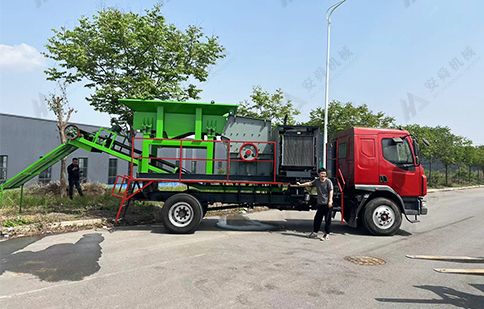
Wide Material Compatibility - Up to 300 MPa Compressive Strength
Rated for stone and ore up to 300 MPa - a higher specification than standard hammer crushers - the Stone Box Crusher handles a broader range of feed materials, from soft limestone and coal through medium-hard granite and basalt, without requiring a separate primary jaw stage.
-
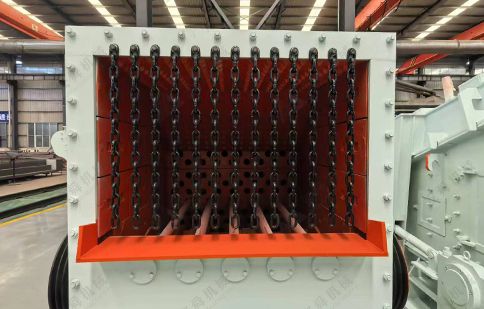
High Reduction Ratio - One-Stage Coarse-to-Medium Crushing
High rotor tip speed and close hammer-to-liner clearance deliver a high reduction ratio in a single pass, reducing feed up to 1,200 mm directly to a product suitable for secondary crushing or direct screen sizing - eliminating an intermediate crushing stage and the associated capital and operating cost.
-
Seven Model Sizes - Matched to Application Scale
From the compact 700×1000 (50–80 t/h, 45–55 kW) to the heavy-duty 1800×1800 (300–400 t/h, 210–280 kW), seven standard models cover quarry, mine, and recycling applications at every scale. Consistent design principles across the range simplify operator training and spare parts management.
What Is the Working Principle Of the Stone Box Crusher
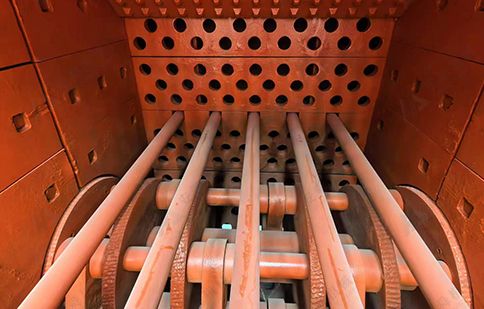
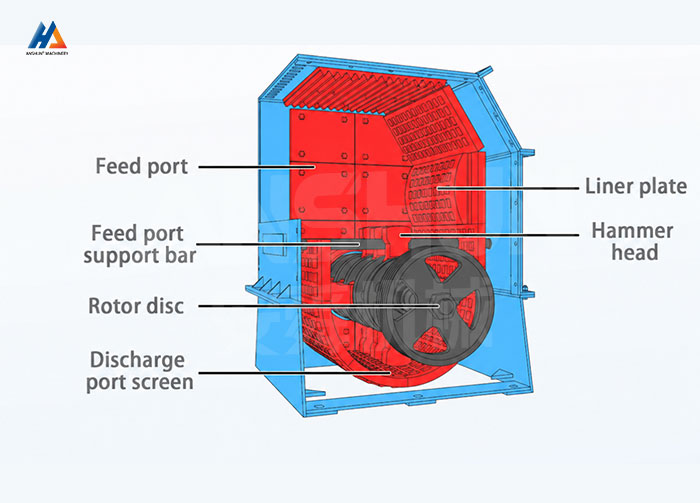
Feed material enters the box-section crushing chamber from above. The rotor, spinning at high tip speed, drives the hammers outward by centrifugal force. As feed material enters the hammer arc, it is struck at high velocity and propelled against the breaker liners on the chamber walls. Material rebounds back into the rotor path and is struck again - progressively reduced from large to small - until it passes through the bottom discharge gap and exits onto the discharge conveyor.
Discharge size is controlled by adjusting the clearance between the hammer tips and the bottom grate or liner position. The fully enclosed box frame contains all material within the crushing zone, minimising dust and noise emission compared to open-frame impact crusher designs - an advantage on urban or quarry sites with environmental restrictions.
Get Quote
FAQ
What is the Difference Between a Stone Box Crusher and a Standard Impact Crusher (PF series)?
The Stone Box Crusher uses a fully enclosed rigid box-frame that provides greater structural stiffness in a more compact footprint than the PF series, making it better suited to mobile mounting and space-constrained installations. The PF series uses a larger, open-profile frame optimised for easy maintenance access and higher peak throughput in fixed installations. Both operate on the same impact principle; the choice depends on site layout, mobility requirements, and throughput scale.
Can the Stone Box Crusher Process Materials Harder than 300 MPa?
The rated material limit is 300 MPa compressive strength. Above this, hammer and liner wear increases significantly and operating cost rises sharply. For consistently hard feed – quartzite, high-silica granite – a jaw crusher or cone crusher secondary stage is more economical. If your material is occasionally above 300 MPa, contact us with your feed data for a wear life estimate.
How is the Discharge Size Adjusted?
Discharge size is set by adjusting the gap between the hammer tips and the bottom discharge grate or breaker plate. Adjustment requires the machine to be stopped. For applications requiring frequent size changes, plan adjustments during scheduled maintenance windows. The adjustment mechanism is accessible through the side inspection doors without removing the rotor.
Is the Stone Box Crusher Suitable for Wet or Sticky Feed?
Moderate moisture content (up to approximately 8–10%) is handled without significant performance loss. Highly wet or sticky material – clay-bound feed, wet coal, or saturated demolition waste – can cause material build-up on the rotor and chamber walls, reducing throughput and increasing cleaning frequency. For consistently wet feed, discuss feed pre-conditioning or a wet-tolerant crusher design with us before purchase.
Is On-site Commissioning Support Available?
Remote commissioning support via video call is included at no charge. On-site engineer dispatch is available as an optional paid service — lead time and cost depend on location. Please discuss before purchase.