English

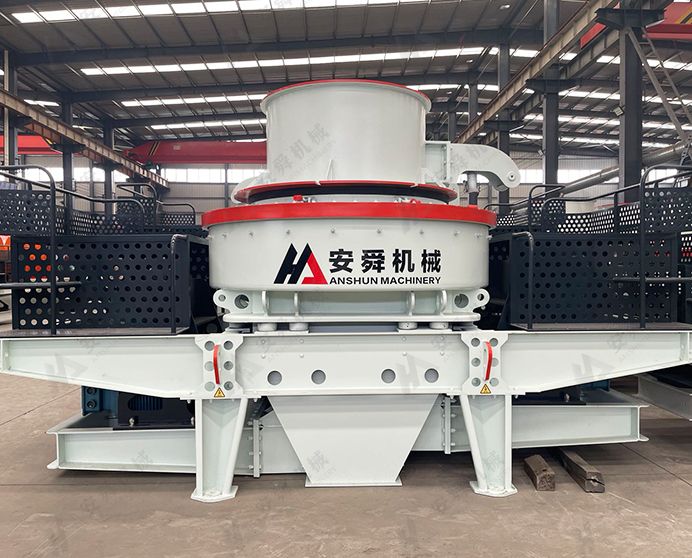
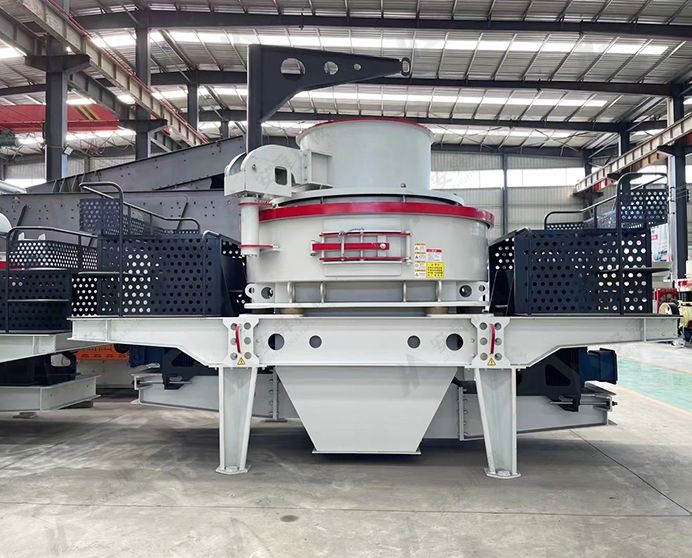
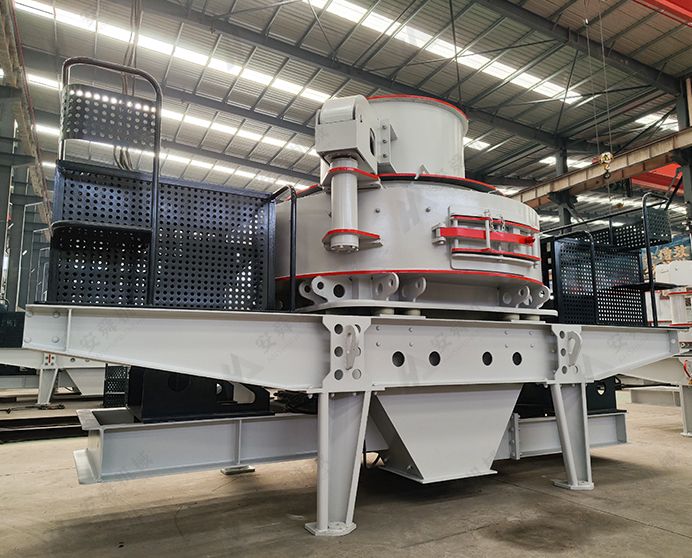
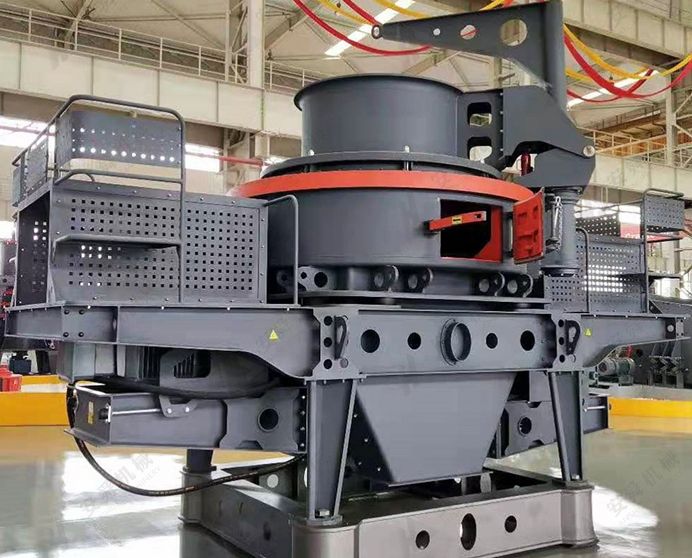
VSI6X Sand Making Machine
Model: VSI6X Series · Sand Making · Hard Rock & Aggregate
-
Capacity
109-486t/h
-
Feed Size
≤50mm
-
Power
150-400kw
- ISO9001
- CE
- EAC
We reply within 24 hours
Product Overview
What is a VSI6X Sand Making Machine ?
The VSI6X sand making machine is a high-efficiency vertical shaft impact (VSI) crusher designed for manufactured sand production and aggregate shaping. Using the proven ‘rock-on-rock’ or ‘rock-on-iron’ crushing principle, it accelerates feed material to high velocity through a spinning rotor and projects it against a stationary anvil ring or autogenous rock bed – producing a well-graded, cubical product with a high proportion of fine particles that meets the strict gradation and shape requirements of concrete, asphalt, and high-specification aggregate applications.
The VSI6X operates in two modes: Crushing mode for sand production from crushed aggregate feed (feed size ≤50 mm); and Shaping mode for improving particle shape and gradation of existing aggregate without significant size reduction (feed size ≤60 mm). Switching between modes adjusts the rotor tip speed and anvil configuration to match the target product. Five models from VSI6X8015 to VSI6X1263 cover shaping capacities from 131 t/h up to 583 t/h.
Applicable Materials
Limestone, Granite, Basalt, River pebble, Quartzite, Dolomite, Recycled concrete aggregate, Industrial minerals.
Industries
Manufactured Sand Production, Aggregate Shaping & Improvement, Concrete & Asphalt Mix Plants, Highway, Railway & Hydraulic Engineering, Glass & Industrial Mineral Processing.
Technical Specifications
|
Model |
VSI6X1263 |
VSI6X1150 |
VSI6X1040 |
VSI6X9026 |
VSI6X8015 |
|
|
Capacity(t/h) |
Crushing |
454-486 |
344-368 |
264-283 |
167-179 |
109-117 |
|
Shaping |
545-583 |
413-442 |
317-342 |
200-215 |
131-140 |
|
|
Best Feed Size(mm) |
Crushing |
≤50 |
≤45 |
≤40 |
≤35 |
≤30 |
|
Shaping |
≤60 |
≤55 |
≤50 |
≤45 |
≤40 |
|
|
Spindle Speed(r/min) |
900-1200 |
1000-1300 |
1100-1400 |
1200-1500 |
1300-1700 |
|
|
Power KW(HP) |
2×315(400) |
2×250(350) |
400 |
264 |
150 |
|
|
Dimension(L×WxH)(mm) |
5700×2980×4190 |
5500×2750×3950 |
4880×2560×3725 |
4640×2380×3500 |
4100×2380×3500 |
|
|
Hydraulic Lubrication Station
|
Power KW(HP) |
0.75 |
||||
|
Safety |
Dual oil pumps provide complementary oil; automatic shutdown without oil flow; air-cooled cooling; self-starting heating in winter. |
|||||
|
Flow Capacity |
4-16L |
|||||
|
Oil Tank Heater Power |
4KW |
|||||
|
Note: Production capacity is measured based on medium-hardness limestone. At the same time, it is also affected by factors such as particle size, moisture content, and material properties. |
||||||
Key Features & Advantages
-
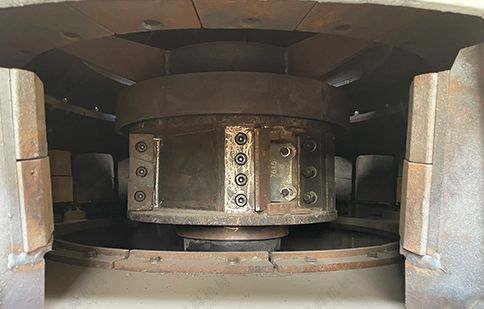
Dual Operating Modes - Sand Making and Aggregate Shaping
A single machine covers both manufactured sand production (Crushing mode, ≤50 mm feed) and aggregate shape improvement (Shaping mode, ≤60 mm feed). Operators switch modes by adjusting rotor speed and anvil configuration - no separate machine required for shaping duties.
-
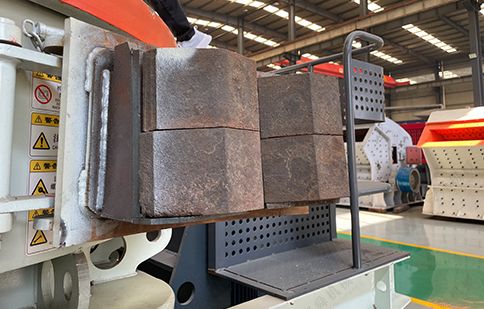
Rock-on-Rock Autogenous Crushing - Lower Wear Cost
In rock-on-rock mode, feed material forms an autogenous lining inside the rotor and anvil ring, so material breaks against material rather than against metal surfaces. Wear part life is significantly extended compared to rock-on-iron mode, reducing operating cost per ton on abrasive feed materials.
-
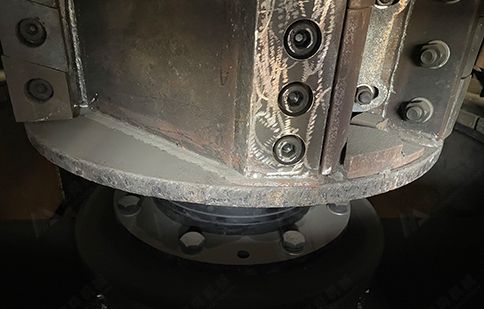
High Spindle Speed Range - Product Gradation Control
Adjustable spindle speed (900–1,700 r/min depending on model) gives operators direct control over rotor tip speed and therefore product fineness. Higher speed produces more fines and a tighter gradation; lower speed shifts the distribution coarser. Fine-tuning speed to the target sand specification reduces over-crushing and specific energy consumption.
-
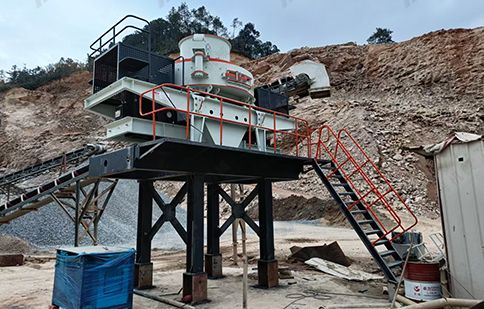
Dual-Pump Hydraulic Lubrication Station - Protected, Reliable Operation
The dedicated lubrication station uses two oil pumps in a complementary supply arrangement - if one pump fails, the second maintains oil flow automatically, preventing dry-running bearing damage. Automatic shutdown triggers on loss of oil flow; air cooling handles normal operating temperatures; self-starting heaters maintain oil viscosity in cold start conditions.
-
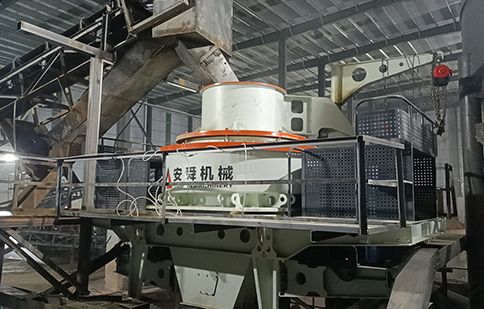
Large Rotor with Deep Feeding Ports - Higher Throughput, Less Blockage
The VSI6X rotor uses deep, wide feeding ports that allow higher feed rates without blockage on irregular or slightly oversized particles. The result is higher sustained throughput at the rated capacity figures without the feed interruptions that limit smaller or shallow-ported rotor designs.
What Is the Working Principle Of the VSI6X Sand Making Machine
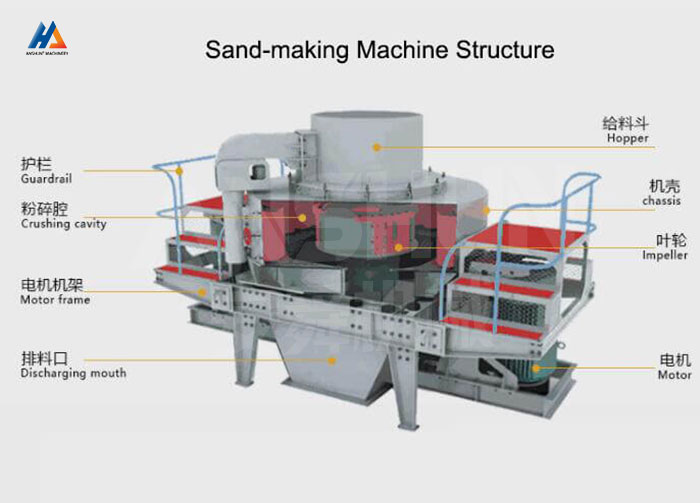
Feed material enters the rotor through the central feed eye and is accelerated outward by centrifugal force through the rotor's internal passages. At the rotor tip, material is discharged at high velocity - typically 50–70 m/s - and projected against the surrounding anvil ring or rock-lined autogenous bed. The high-velocity impact fractures feed particles along natural cleavage planes, producing a cubical, well-shaped product with controlled gradation.
In rock-on-rock mode, the rotor passages accumulate a protective lining of feed material. Incoming particles impact this material lining rather than the metal rotor surfaces - dramatically reducing metal wear and making the machine economical on moderately abrasive feed. In rock-on-iron mode, the anvil ring presents harder metal surfaces for more aggressive size reduction on softer materials where shape, not fines content, is the primary target.
Get Quote
FAQ
What is the Difference Between a VSI Sand Maker and a Cone Crusher for Producing fine Aggregate?
Cone crushers produce size reduction by compression – effective for secondary and tertiary crushing but they generate elongated, flaky particles and limited fines. VSI sand makers produce size reduction by high-velocity impact – breaking along natural cleavage planes to create cubical particles and a high proportion of 0–5 mm sand. For manufactured sand production and aggregate shape improvement, the VSI is the correct machine; it is typically positioned as the final stage after a cone crusher in a three or four-stage crushing line.
What Causes Rotor Wear and How Often do Wear Parts Need Replacing?
In rock-on-rock mode, the autogenous lining protects the rotor tips and passages, so metal wear is low – rotor tip liners typically run 200–500 hours on abrasive feed. In rock-on-iron mode, wear is higher and anvil tiles need more frequent inspection. We recommend weekly wear part checks and planning tip liner rotation at 200-hour intervals. OEM rotor tips, feed tubes, and anvil tiles are stocked for all VSI6X models.
Can Spindle Speed be Adjusted While The Machine is Running?
Spindle speed is set via the drive motor frequency converter (VFD) and can be adjusted from the control panel while the machine is running. Increasing speed raises tip velocity, producing a finer product with higher fines content; reducing speed shifts output coarser with less fines. Speed adjustment is the primary tool for matching the VSI6X output gradation to the target sand specification.
What Triggers The Lubrication Station Automatic Shutdown?
The lubrication station PLC monitors oil flow continuously. Shutdown is triggered if oil flow drops below the minimum threshold – caused by pump failure, filter blockage, or a leak in the supply line. The dual-pump arrangement means a single pump failure triggers a switch to the backup pump rather than immediate shutdown; the operator is alerted to service the failed pump during the next maintenance window. Shutdown only occurs if both pumps fail to deliver flow simultaneously.
Is On-site Commissioning Support Available?
Remote commissioning support via video call is included at no charge. On-site engineer dispatch is available as an optional paid service — lead time and cost depend on location. Please discuss before purchase.