English

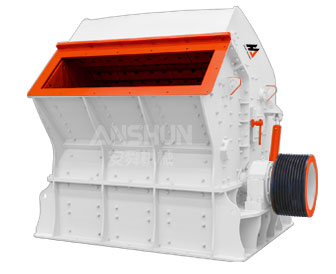
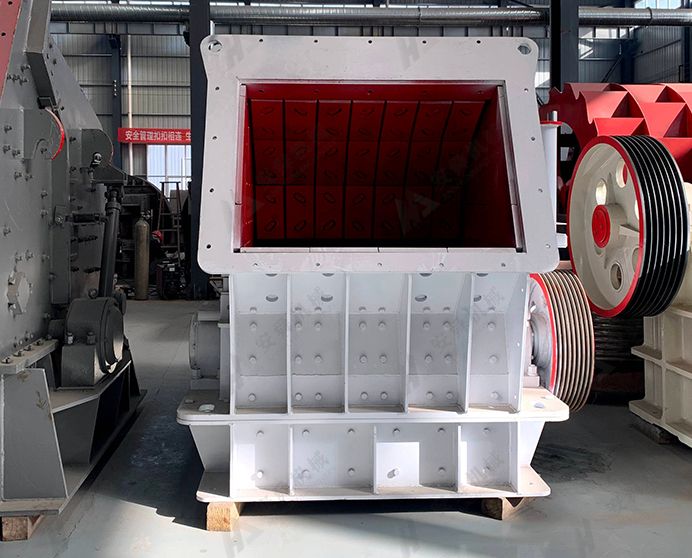
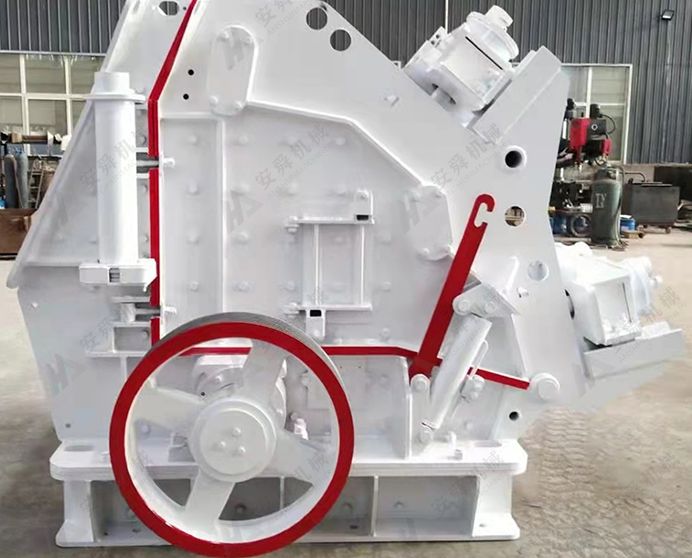
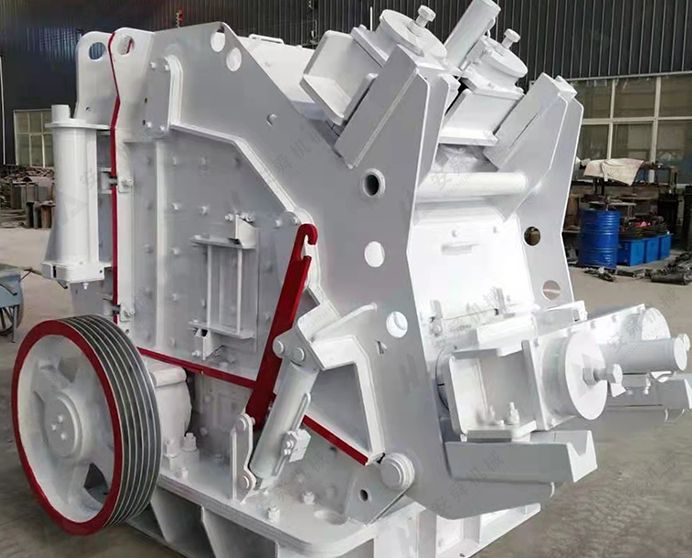
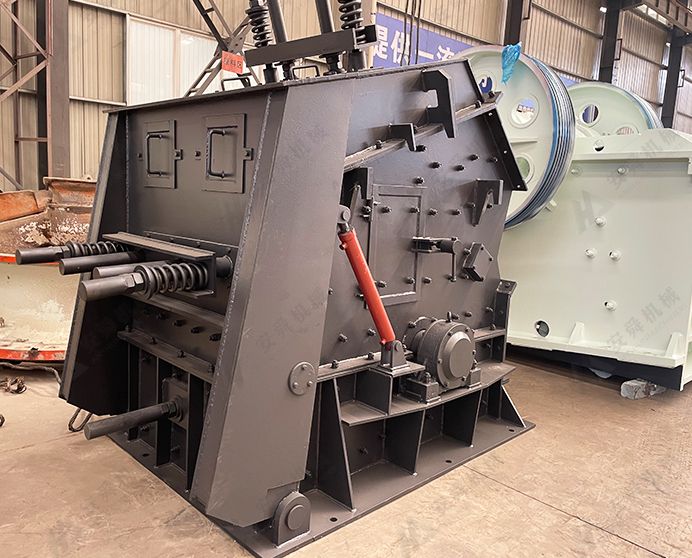
CF Impact Crusher
Model: CF Series · Coarse & Medium Fine Crushing · Low-Hardness Rock
-
Capacity
100-500t/h
-
Feed Size
≤200mm
-
Power
90-400KW
- ISO9001
- CE
- EAC
We reply within 24 hours
Product Overview
What is a CF Impact Crusher?
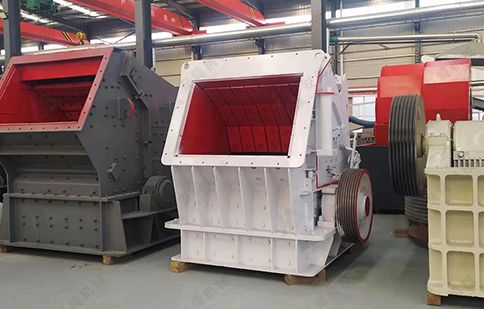
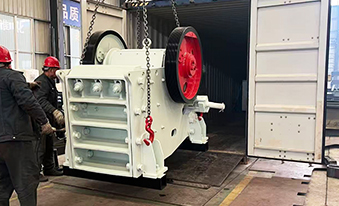
The CF series impact crusher is a heavy-duty impact crushing machine designed for large-feed, high-capacity primary and secondary crushing. Using high-velocity impact energy rather than compression, it produces a cubical, well-shaped product with a high reduction ratio – reducing oversized feed directly to finished aggregate or mill feed in fewer stages than a conventional jaw-and-cone circuit.
Three models cover capacities from 100 t/h up to 500 t/h, with maximum feed acceptance up to 1,100 mm on the CF350. Full hydraulic support on all models provides fast, safe access to internal wear parts, significantly reducing planned maintenance time compared to traditional mechanical-opening designs.
Applicable Materials
Limestone, Granite, Basalt, River pebble, Dolomite, Soft-to-medium ore, Construction waste.
Industries
Mining, Aggregate & Sand Production, Cement & Building Materials, Highway, Railway & Hydraulic Engineering, C&D Waste Recycling.
Technical Specifications
|
Model |
Feed Inlet Size(mm) |
Max Feed Side Length(mm) |
Processing Capacity (t/h) |
Power(kw) |
Weight(kg) |
|
CF150 |
820×980 |
750 |
100-200 |
90-200 |
12000 |
|
CF250 |
960×1360 |
900 |
200-400 |
180-250 |
17000 |
|
CF350 |
1050×1700 |
1100 |
300-500 |
200-400 |
24000 |
Key Features & Advantages
-
Forged 42CrMo Main Shaft - Strength, Toughness, Deep Hardenability
The rotor shaft is forged from 42CrMo chromium-molybdenum alloy steel. Forging produces a dense, defect-free grain structure; chromium-molybdenum alloying delivers high strength, toughness, and hardenability that high-speed rotor shock loads demand - well beyond plain carbon or low-alloy steels.
-
Cr26 Blow Bars - Maximum Hardness at the Strike Face
Blow bars are cast from Cr26 high-chromium white iron. The 26% chromium carbide microstructure provides exceptional surface hardness, extending blow bar life on abrasive hard rock and reducing change-out frequency.
-
Mn13Cr2 Impact Plates & Liners - Work-Hardens in Service
Impact plates and chamber liners use Mn13Cr2 manganese-chromium steel. The surface work-hardens progressively under impact while the core stays tough - outlasting standard Mn13 on hard feed and reducing total liner cost per ton.
-
Hardfacing Weld on Rotor Body - Extended Rotor Life
High-wear zones on the rotor body are protected by wear-resistant hardfacing weld deposits, shielding base metal from high-velocity material flow and extending rotor service intervals.
-
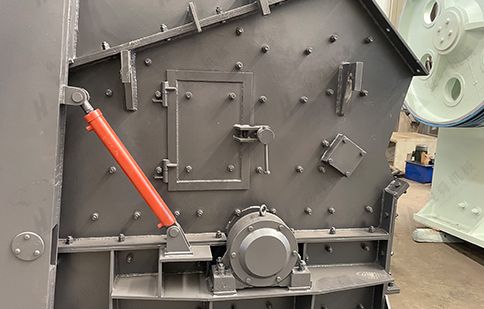
Full Hydraulic Support - Fast Access, Higher Maintenance Efficiency
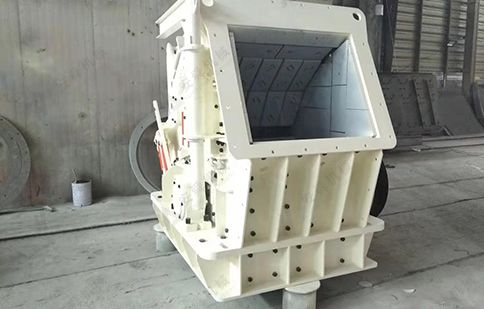
All maintenance access is hydraulically operated - no manual jacking, no mechanical props. Blow bars, impact plates, and the rotor are fully exposed in minutes, cutting planned maintenance time significantly versus traditional mechanical-opening impact crushers.
What Is the Working Principle Of the CF Impact Crusher
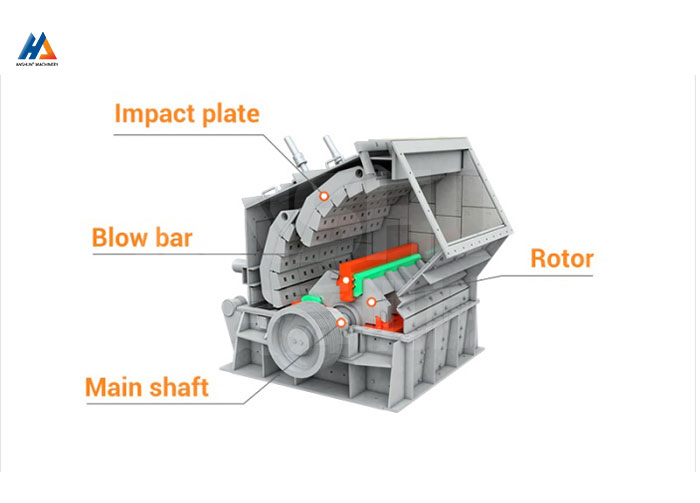
Feed material enters the crushing chamber and is struck at high speed by the blow bars mounted on the rotor. The material is propelled against the impact plates above the rotor, rebounds back into the blow bar zone, and is struck again. This cycle repeats - progressively reducing material from large to small within the chamber - until it reaches the required size and exits from the bottom discharge opening. Discharge size is controlled by adjusting the gap between the impact plates and the rotor.
Get Quote
FAQ
How Does the CF Series Differ from the PF Series?
The CF series is built for heavier-duty primary crushing with larger feed acceptance (up to 1,100 mm) and higher per-unit capacity than the standard PF series. The CF rotor and frame are designed for the higher peak loads of oversized primary feed, while the PF series is optimized for secondary and tertiary crushing of pre-crushed material.
What is the Advantage of Hydraulic Support over Mechanical Opening?
Hydraulic opening requires no manual tools, no mechanical jacks, and no confined-space access. The rear frame opens fully in minutes, giving safe, clear access to all wear parts. Maintenance teams report significantly shorter planned downtime windows compared to mechanical-opening machines of equivalent size.
How Long do Cr26 Blow Bars Last on Granite?
On granite (200–260 MPa), Cr26 blow bars typically run 300–600 operating hours depending on feed size and rotor speed. Each bar has two usable faces – rotating bars before they are fully worn doubles effective service life. We stock OEM Cr26 blow bar sets for all CF models.
Is On-site Commissioning Support Available?
Remote commissioning support via video call is included at no charge. On-site engineer dispatch is available as an optional paid service — lead time and cost depend on location. Please discuss before purchase.