English

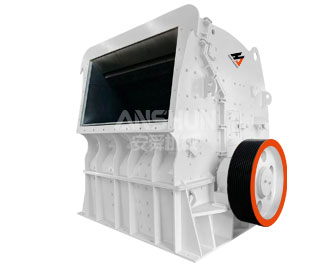
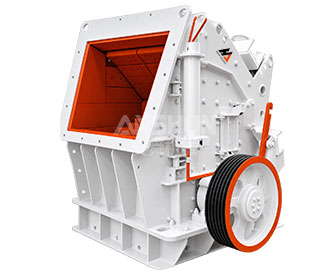
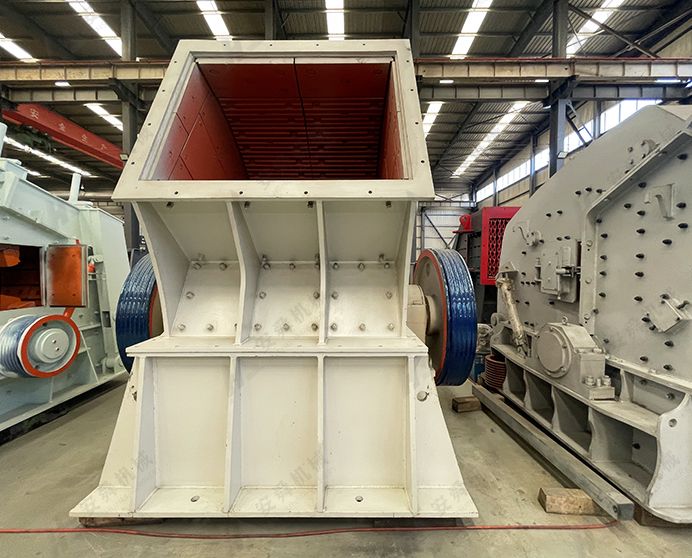
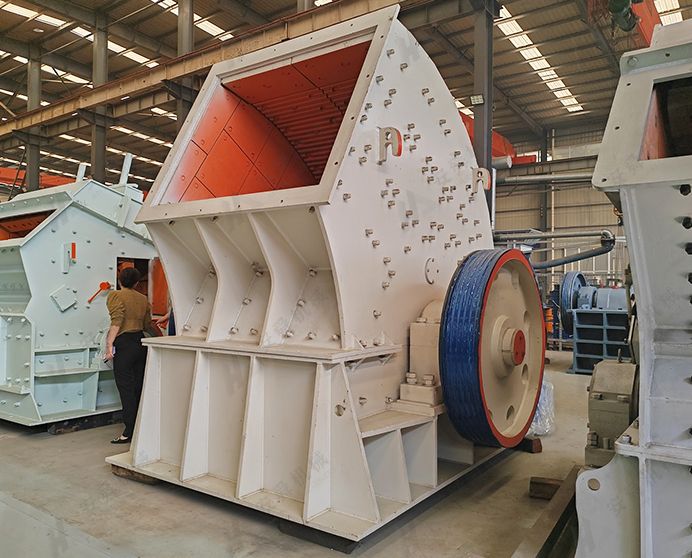
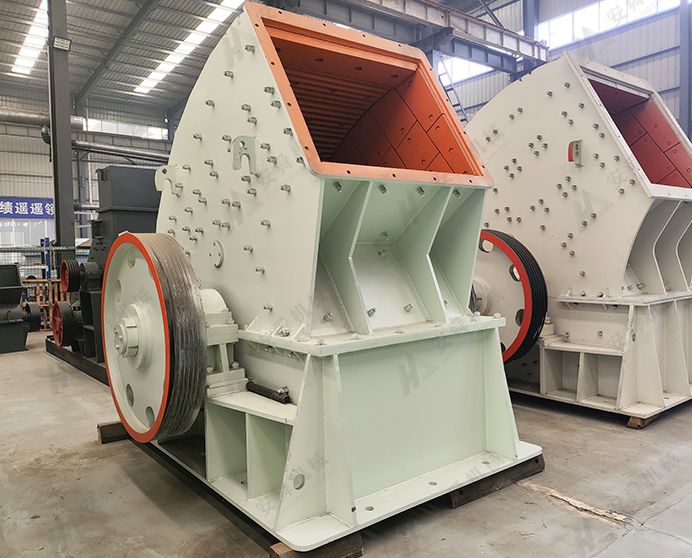
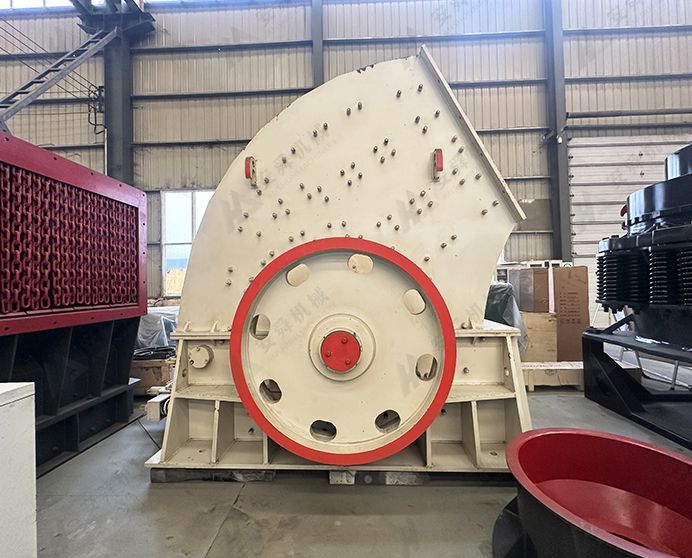
Heavy Hammer Crusher
Model: PCZ Series · Primary Crushing · Low-Hardness Rock
-
Capacity
100-1200t/h
-
Feed Size
900-2000mm
-
Power
132-450kw
- ISO9001
- CE
- EAC
We reply within 24 hours
Product Overview
What is a Heavy Hammer Crusher?
The heavy hammer crusher uses a high-speed rotor fitted with massive forged hammers to deliver direct impact energy to large, oversized feed material – reducing 500–1,200 mm lumps to finished product size in a single pass. Unlike jaw crushers that require compressive force from two surfaces, the heavy hammer crusher fractures material through high-velocity impact, producing a cubical product at a crushing ratio of up to 30:1 without a secondary crushing stage.
Two series cover different scale requirements: the PC ring-hammer series for high-capacity coarse crushing of soft-to-medium materials (300–600 t/h per unit); and the PCZ heavy-hammer series for large-lump primary crushing from 100 t/h up to 1,200 t/h. Both series achieve one-stage coarse-to-fine reduction, eliminating the jaw-plus-impact two-stage circuit and lowering equipment investment, power consumption, and maintenance cost per ton.
Applicable Materials
Limestone, Coal, Gypsum, Calcium carbide, Soft dolomite, Sandstone, Soft-medium rock ≤200 MPa.
Best suited for materials with compressive strength ≤200 MPa and low abrasiveness. Not recommended for high-silica granite or quartzite – contact us to confirm suitability..
Industries
Mining & Quarrying, Aggregate Production, Cement & Building Materials, Coal Processing, Chemical Industry, C&D Waste Recycling.
Technical Specifications
|
Model |
Rotor Diameters Length(mm) |
Feed Inlet Size(mm) |
Processing Capacity(t/h) |
Motor Power(kw) |
Dimensions(mm) |
|
PC1213 |
1200×1280 |
1350×920 |
300-350 |
160×2 |
2970×2580×2510 |
|
PC1216 |
1200×1590 |
1530×920 |
400-500 |
200×2 |
3070×2840×2580 |
|
PC1220 |
1220×1950 |
2000×920 |
500-600 |
220×2 |
3080×3380×2580 |
|
PCZ1308 |
1310×790 |
850×800 |
100-160 |
132 |
2818×2155×2388 |
|
PCZ1510 |
1500×950 |
1000×900 |
160-210 |
132×2 |
3260×2414×2750 |
|
PCZ1512 |
1500×1160 |
1200×900 |
250-320 |
160×2 |
3260×2624×2750 |
|
PCZ1615 |
1650×1452 |
1500×1200 |
420-500 |
200×2 |
3667×2937×3436 |
|
PCZ1620 |
1660×1900 |
2000×1200 |
800-1000 |
400×2 |
3667×3200×3436 |
|
PCZ1820 |
1800×1964 |
2000×1200 |
1000-1200 |
450×2 |
3700×3270×3515 |
Key Features & Advantages
-
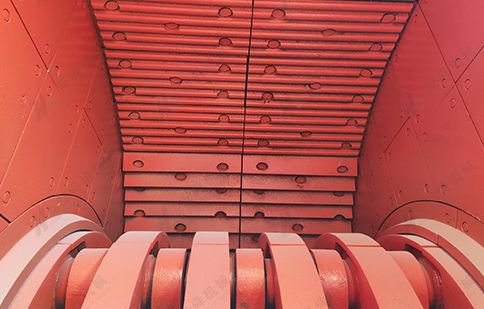
Forged 42CrMo Main Shaft - Strength, Toughness, Deep Hardenability
The rotor shaft is forged from 40CrMo chromium-molybdenum alloy steel. Forging delivers a dense, defect-free grain structure; chromium-molybdenum alloying provides combined high strength, toughness, and hardenability for high-speed heavy-rotor shock loads - well beyond plain carbon or low-alloy steels.
-
Mn13Cr2 Liners - Work-Hardens in Service, Lower Wear Cost
All chamber liners use Mn13Cr2 manganese-chromium steel. The 2% chromium addition accelerates surface work-hardening under impact, so the liner hardens progressively in service while the core stays tough - outlasting standard Mn13 and reducing liner replacement frequency.
-
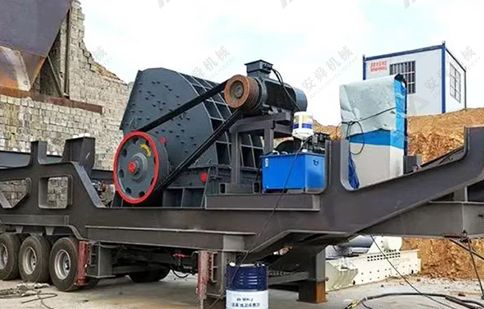
Mn18Cr2 + Cr26 Composite Hammers - Wear Resistance and Impact Toughness Combined
Hammers combine Mn18Cr2 high-manganese steel for impact toughness with Cr26 high-chromium iron for abrasion resistance at the strike face. The composite delivers what neither material achieves alone: a hammer that resists both fracture under large-lump impact and abrasive wear from continuous operation.
-
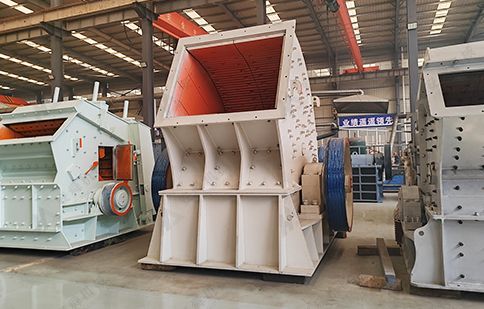
Hardfacing Weld on Rotor Body - Extended Rotor Life
High-wear zones on the rotor are protected by wear-resistant hardfacing weld deposits, shielding the base metal from high-velocity material erosion and extending rotor service intervals between rebuilds.
-
One-Stage Coarse-to-Fine Crushing - Lower Cost per Ton
Crushing ratio up to 30:1 reduces large-lump feed directly to finished product size in a single pass. One machine replaces a jaw crusher plus secondary impactor - cutting equipment count, foundation cost, power consumption, and daily maintenance hours.
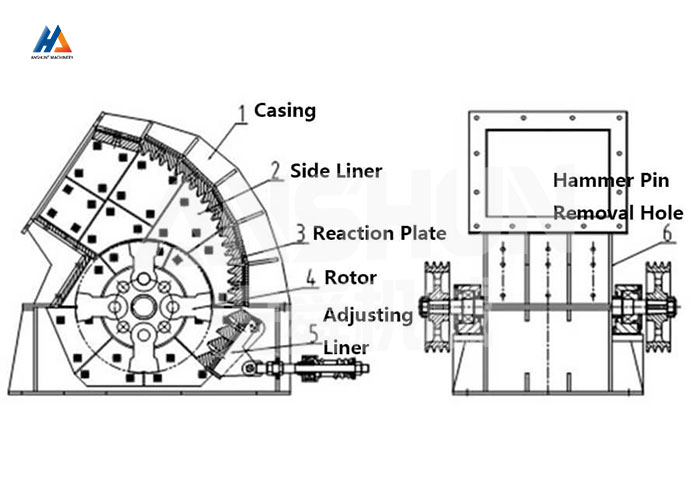
What Is the Working Principle Of the Heavy Hammer Crusher
Feed material enters the crushing chamber from above and encounters the high-speed rotor fitted with forged hammers. The hammers strike feed material at high velocity, projecting it against the breaker plates and grate bars lining the chamber walls. The repeated impact - hammer strike, rebound against breaker plate, fall back into the rotor path - progressively reduces material from large to small. Material that passes through the grate bar gaps exits as finished product onto the discharge conveyor; material above the required size continues circulating in the chamber until it passes through.
Discharge size is controlled by the grate bar spacing and the clearance between the hammer tips and the grate bars at the bottom of the chamber. Adjusting the grate bar position changes the effective product size. The rotor's high inertia maintains consistent hammer speed and impact energy through sudden load spikes from oversized irregular feed - the key operational advantage of the heavy hammer design over lighter ring-hammer machines on large-lump primary feed.
Get Quote
FAQ
What is the Difference Between PC Ring-hammer and PCZ Heavy-hammer Crushers?
PC ring hammers are pivotally mounted and can swing back when they hit an uncrushable object, then return to position – providing a degree of self-protection on mixed feed. PCZ heavy hammers are rigidly fixed to the rotor with much greater mass, delivering higher impact energy per blow for large-lump primary crushing. PCZ machines accept larger feed, handle higher peak loads, and are suited to more demanding primary applications; PC machines offer higher throughput at lower unit weight for softer, more uniform feed.
Is the Heavy Hammer Crusher Suitable for High-silica Hard rock?
No – the heavy hammer crusher is designed for soft-to-medium materials with compressive strength ≤200 MPa. Granite, quartzite, and high-silica basalt will cause rapid hammer and liner wear that makes operating cost prohibitive. For hard rock primary crushing, a jaw crusher (PE or European series) or a multi-cylinder hydraulic cone is the correct choice. Submit your material data and we will confirm suitability.
How Often do the Hammers Need to be Replaced?
Hammer life depends on material hardness and abrasiveness. On clean limestone, high-chromium alloy hammers typically run 300–500 hours before rotation or replacement. On more abrasive material such as coal mixed with shale, expect 150–250 hours. The crusher housing opens hydraulically, allowing a two-person crew to rotate or replace all hammers within a standard shift.
Can the Discharge Size be Adjusted Without Stopping the Machine?
Grate bar spacing adjustment requires the machine to be stopped and the rotor to be at rest. Plan discharge size changes during scheduled maintenance windows. For applications where product size must change frequently (e.g., alternating between coarse and fine aggregate products), a jaw or cone crusher with hydraulic CSS adjustment is a more flexible alternative.
Is On-site Commissioning Support Available?
Remote commissioning support via video call is included at no charge. On-site engineer dispatch is available as an optional paid service — lead time and cost depend on location. Please discuss before purchase.