English

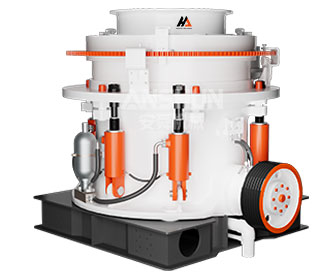
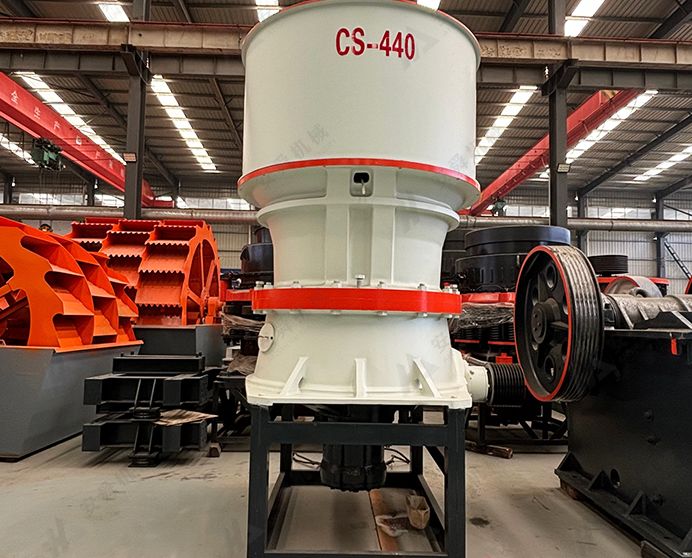
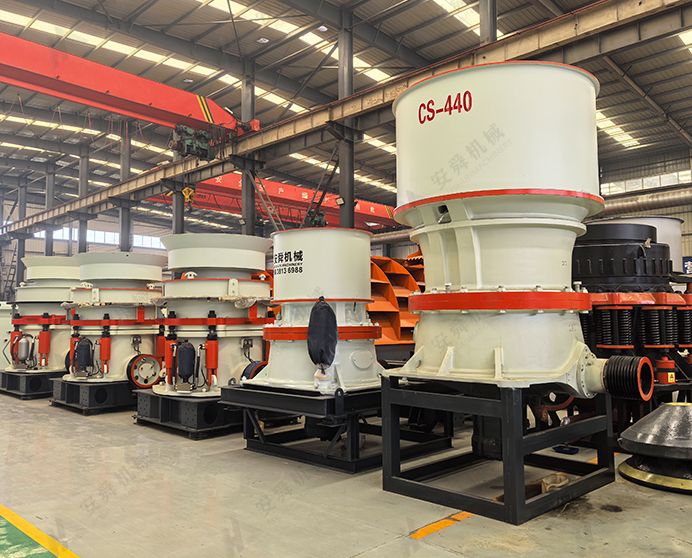
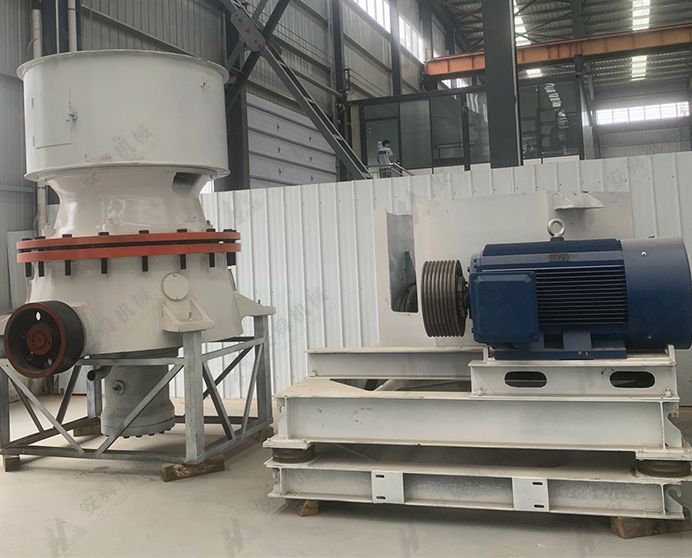
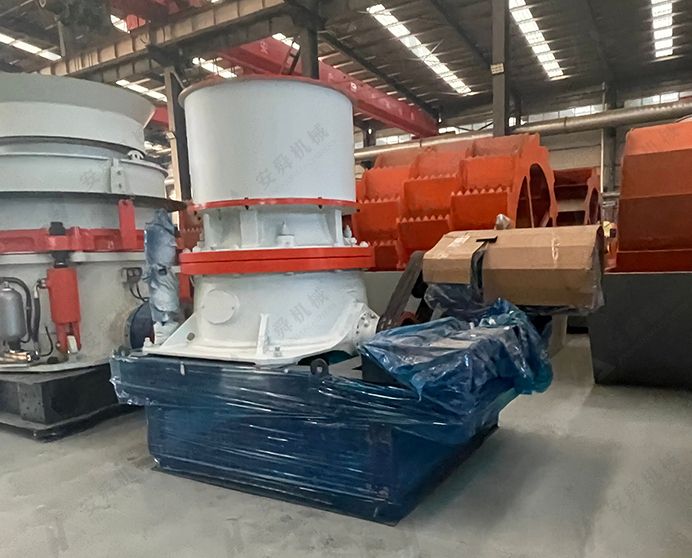
Single-Cylinder Hydraulic Cone Crusher
Model: CH Series · Secondary & Tertiary Crushing · Hard Rock & Ore
-
Capacity
27-2128t/h
-
Feed Size
≤500mm
-
Power
90-750kw
- ISO9001
- CE
- EAC
We reply within 24 hours
Product Overview
What is a Single-Cylinder Hydraulic Cone Crusher?
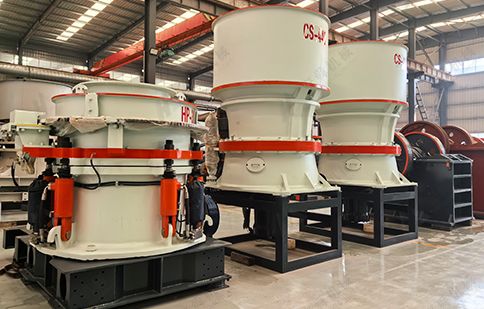
The single-cylinder hydraulic cone crusher uses a single hydraulic cylinder located at the base of the main shaft to control the CSS and provide overload protection. Compared to spring cone crushers, the hydraulic system allows faster and more precise CSS adjustment without stopping the machine – and resets automatically after an uncrushable object passes through, reducing unplanned downtime.
The CS/CH series offers two distinct head configurations for different crushing stages: the CS standard head (S-cavity) for coarse and medium secondary crushing with larger feed acceptance; and the CH short head (H-cavity) for fine and extra-fine tertiary crushing with tighter product gradation. Together, ten models from CS420 to CH890 cover capacities from 27 t/h up to 2,128 t/h.
Applicable Materials
Granite, Basalt, Quartzite, River pebble, Iron ore, Copper ore, Limestone, Hard-medium rock ≤350 MPa.
Industries
Metal Mining, Hard Rock Quarrying, Aggregate & Sand Production, Highway, Railway & Hydraulic Engineering, Cement & Building Materials.
Technical Specifications
|
Single-Cylinder Hydraulic Cone Crusher - Model & Cavity Parameters |
|||||
|
Model |
Cavity |
Max Feed Size(mm) |
Min Discharge Port Size(mm) |
Capacity(t/h) |
Max Installed Power(kw) |
|
CS420 |
S1(Extra Coarse) |
240 |
22 |
85-170 |
90 |
|
S2(Medium Coarse) |
200 |
19 |
70-130 |
||
|
CH420 |
H1(Fine) |
135 |
10 |
45-130 |
|
|
H2(Medium Fine) |
65 |
8 |
35-80 |
||
|
H3(Extra Fine) |
38 |
4 |
27-60 |
||
|
CS430 |
S1(Extra Coarse) |
360 |
25 |
120-345 |
160 |
|
S2(Medium Coarse) |
300 |
33 |
105-305 |
||
|
S3(Coarse) |
235 |
19 |
90-275 |
||
|
CH430 |
H1(Fine) |
185 |
13 |
60-210 |
|
|
H2(Medium Fine) |
90 |
10 |
65-165 |
||
|
H3(Extra Fine) |
50 |
6 |
48-105 |
||
|
CS440 |
S1(Extra Coarse) |
450 |
35 |
255-605 |
250 |
|
S2(Medium Coarse) |
400 |
29 |
215-515 |
||
|
S3(Coarse) |
300 |
25 |
190-490 |
||
|
CH440 |
H1(Fine) |
215 |
16 |
110-395 |
|
|
H2(Medium Fine) |
110 |
13 |
115-340 |
||
|
H3(Extra Fine) |
70 |
8 |
90-225 |
||
|
CS660 |
S1(Extra Coarse) |
560 |
41 |
355-1050 |
315 |
|
S2(Medium Coarse) |
500 |
38 |
305-895 |
||
|
CH660 |
H1(Fine) |
275 |
16 |
170-665 |
|
|
H2(Medium Fine) |
135 |
16 |
190-505 |
||
|
H3(Extra Fine) |
65 |
13 |
205-320 |
||
|
CH870 |
H1(Fine) |
300 |
22 |
448-1512 |
520 |
|
H2(Medium Fine) |
155 |
19 |
400-1372 |
||
|
H3(Extra Fine) |
80 |
10 |
280-775 |
||
|
CH890 |
H1(Fine) |
370 |
25 |
480-2128 |
750 |
|
H2(Medium Fine) |
195 |
22 |
552-1605 |
||
|
H3(Extra Fine) |
85 |
10 |
365-885 |
||
CS Medium Grain Size Distribution Curve
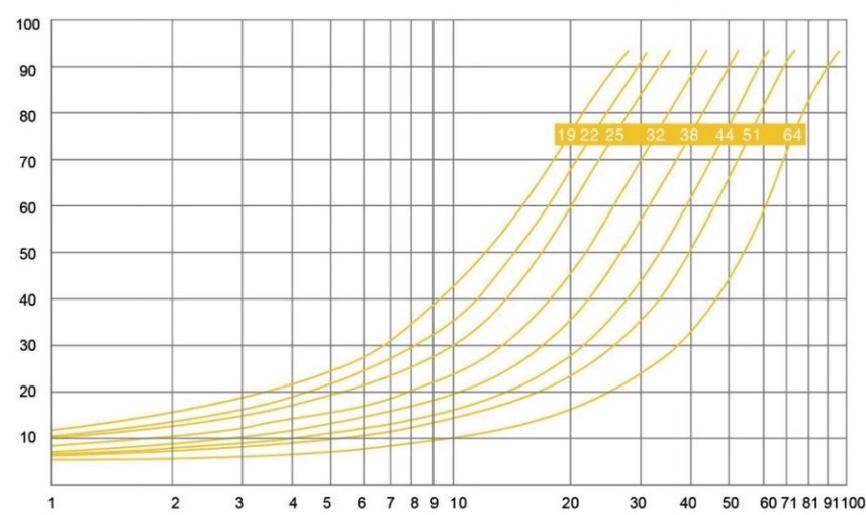
Square hole sieve size(mm)
CH Fine Grain Size Distribution Curve
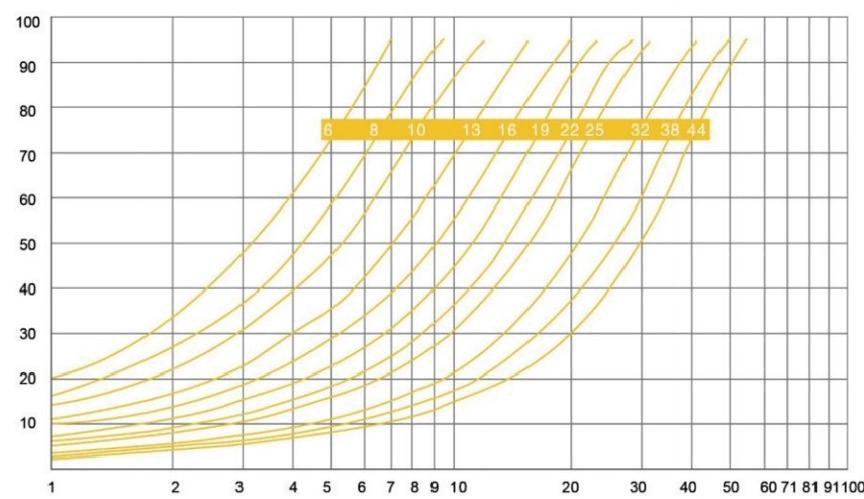
Square hole sieve size(mm)
|
CS Series (Standard/Coarse Head) - Capacity (t/h) by CSS Setting |
|||||||||||
|
Model |
CS420 |
CS430 |
CS440 |
CS660 |
|||||||
|
Cavity |
S1(Extra Coarse) |
S2(Medium Coarse) |
S1(Extra Coarse) |
S2(Medium Coarse) |
S3(Coarse) |
S1(Extra Coarse) |
S2(Medium Coarse) |
S3(Coarse) |
S1(Extra Coarse) |
S2(Medium Coarse) |
|
|
Closed Side Outlet Size |
19 |
|
70 |
|
|
90 |
|
|
|
|
|
|
22 |
85 |
75-95 |
|
105 |
95-125 |
|
|
|
|
|
|
|
25 |
90-115 |
80-130 |
120 |
115-145 |
105-170 |
|
|
190 |
|
|
|
|
29 |
100-160 |
90-115 |
135-175 |
125-200 |
15-220 |
|
215 |
205-270 |
|
|
|
|
32 |
105-170 |
95 |
140-230 |
130-255 |
120-235 |
|
230-300 |
220-345 |
|
|
|
|
35 |
110-145 |
|
150-295 |
40-270 |
125-250 |
255 |
245-385 |
230-435 |
|
|
|
|
38 |
115 |
|
160-310 |
145-285 |
35-265 |
270-355 |
260-485 |
245-465 |
|
305 |
|
|
41 |
|
|
170-330 |
155-305 |
40-275 |
285-450 |
270-515 |
260-490 |
335 |
320-420 |
|
|
44 |
|
|
175-345 |
165-265 |
150-245 |
300-565 |
285-450 |
270-430 |
350-460 |
340-620 |
|
|
48 |
|
|
190-310 |
175 |
160 |
320-605 |
306-400 |
290-380 |
375-590 |
360-755 |
|
|
51 |
|
|
195-260 |
|
|
335-525 |
300 |
305 |
390-720 |
375-790 |
|
|
54 |
|
|
205 |
|
|
350-460 |
|
|
410-860 |
395-825 |
|
|
60 |
|
|
|
|
|
|
|
|
445-930 |
425-895 |
|
|
64 |
|
|
|
|
|
|
|
|
465-980 |
450-825 |
|
|
70 |
|
|
|
|
|
|
|
|
500-1050 |
480-635 |
|
|
76 |
|
|
|
|
|
|
|
|
535-985 |
||
|
CH Series (Fine Head) - Capacity (t/h) by CSS Setting |
|||||||||||||||||||
|
Model |
CH420 |
CH430 |
CH440 |
CH660 |
CH870 |
CH890 |
|||||||||||||
|
Cavity |
H1(Fine) |
H2(Medium Fine) |
H3(Extra Fine) |
H1(Fine) |
H2(Medium Fine) |
H3(Extra Fine) |
H1(Fine) |
H2(Medium Fine) |
H3(Extra Fine) |
H1(细)Fine |
H2(Medium Fine) |
H3(Extra Fine) |
H1(Fine) |
H2(Medium Fine) |
H3(Extra Fine) |
H1(Fine) |
H2(Medium Fine) |
H3(Extra Fine) |
|
|
Closed side outlet size |
4 |
|
|
27-35 |
|
|
|
|
|
|
|
|
|
|
|
|
|
|
|
|
6 |
|
|
30-50 |
|
|
48-80 |
|
|
|
|
|
|
|
|
|
|
|
|
|
|
8 |
|
35-45 |
31-55 |
|
|
50-85 |
|
|
90-135 |
|
|
|
|
|
|
|
|
|
|
|
10 |
45 |
38-75 |
32-60 |
|
65-85 |
53-90 |
|
|
95-180 |
|
|
|
|
|
280-405 |
|
|
364-420 |
|
|
13 |
50-85 |
40-80 |
35-50 |
66-110 |
70-135 |
56-100 |
|
115-190 |
100-195 |
|
|
205-295 |
|
|
304-517 |
|
|
395-532 |
|
|
16 |
52-95 |
45-76 |
38 |
75-150 |
75-145 |
60-104 |
110-200 |
120-280 |
110-120 |
170 |
190-295 |
220-320 |
|
|
328-558 |
|
|
426-574 |
|
|
19 |
58-100 |
50-60 |
|
80-165 |
80-155 |
65-105 |
120-28 |
130-300 |
115-225 |
185-340 |
205-440 |
235-300 |
|
400-563 |
352-598 |
|
|
458-616 |
|
|
22 |
60-105 |
|
|
85-175 |
85-165 |
70-95 |
125-295 |
140-320 |
125-240 |
195-440 |
215-470 |
250-290 |
448-588 |
428-788 |
376-639 |
|
552-613 |
489-658 |
|
|
25 |
65-115 |
|
|
90-185 |
90-155 |
75 |
135-315 |
150-340 |
135-255 |
210-465 |
230-500 |
|
477-849 |
455-836 |
400-680 |
480-640 |
587-1043 |
520-700 |
|
|
32 |
75-130 |
|
|
100-210 |
100 |
|
155-360 |
170-285 |
150-210 |
235-550 |
265-505 |
|
544-968 |
519-953 |
455-775 |
547-1277 |
669-1189 |
593-798 |
|
|
38 |
|
|
|
110-210 |
|
|
170-390 |
185 |
|
260-605 |
290-405 |
|
601-1070 |
573-1054 |
503-728 |
605-1411 |
739-1314 |
655-882 |
|
|
44 |
|
|
|
|
|
|
185-385 |
|
|
285-665 |
|
|
658-1172 |
628-1154 |
551-669 |
662-1546 |
810-1440 |
718-883 |
|
|
51 |
|
|
|
|
|
|
|
|
|
315-515 |
|
|
725-1291 |
692-1271 |
|
730-1702 |
892-1586 |
790 |
|
|
57 |
|
|
|
|
|
|
|
|
|
|
|
|
782-1393 |
746-1372 |
|
787-1837 |
962-1604 |
|
|
|
64 |
|
|
|
|
|
|
|
|
|
|
|
|
849-1512 |
810-1248 |
|
854-1994 |
1045-1393 |
|
|
|
70 |
|
|
|
|
|
|
|
|
|
|
|
|
906-1331 |
865-1098 |
|
912-2128 |
1115 |
||
Key Features & Advantages
-
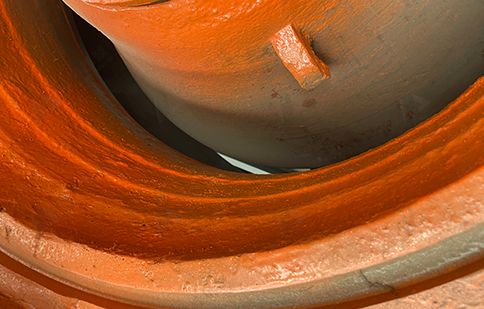
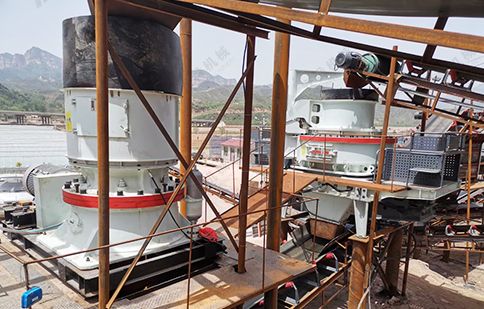
Forged 42CrMo Main Shaft - Strength, Toughness, Deep Hardenability
The main shaft is forged from 42CrMo chromium-molybdenum alloy steel. Forging produces a dense, defect-free structure; chromium-molybdenum alloying delivers combined high strength, toughness, and hardenability for sustained eccentric crushing loads - well beyond plain carbon or low-alloy steels.
-
Copper Alloy Eccentric Sleeve Bearing - Low Friction, High Wear Resistance
The eccentric sleeve runs on copper alloy bearings suited to continuous high-load oscillating motion. Superior wear resistance and lower running friction versus ferrous alternatives extend bearing life and reduce operating temperature under sustained duty.
-
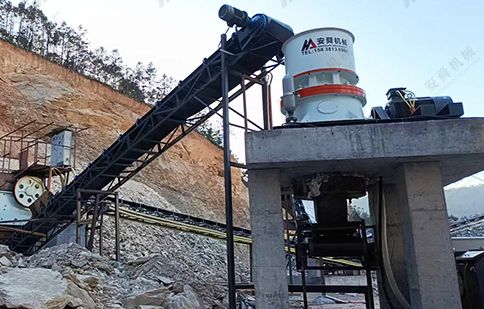
Mn18 High-Manganese Liner Plates - Maximum Work-Hardening
Mantle and concave are cast from Mn18 high-manganese steel. Elevated manganese content maximizes work-hardening response - the liner surface hardens progressively in service, delivering longer life than standard Mn13 on hard, abrasive feed.
-
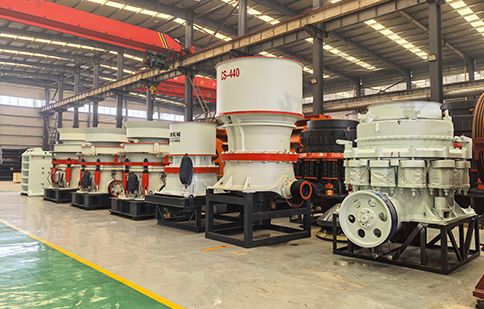
PLC Intelligent Control System - Automated Protection and CSS Management
The PLC monitors oil temperature, pressure, CSS position, and motor power in real time. It auto-adjusts to protect against overload and lubrication faults, and allows remote CSS adjustment without stopping the crusher.
-
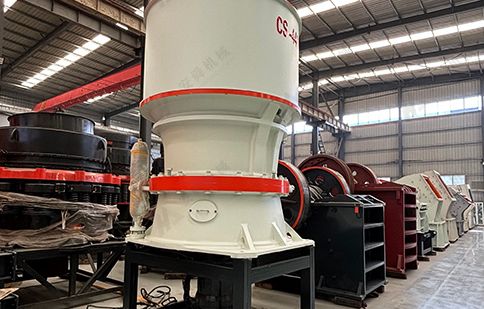
Single-Cylinder Hydraulic CSS Control - Fast Adjustment, Auto-Reset
The base-mounted hydraulic cylinder adjusts CSS precisely and holds it under load. If an uncrushable object enters the chamber, the CSS opens to pass it and automatically resets - no manual re-setting, no spring replacement, no production interruption.
-
CS Standard Head + CH Short Head - One Platform, Full Size Range
CS cavities (S1–S3) cover coarse secondary crushing with feed up to 560 mm. CH cavities (H1–H3) cover fine-to-extra-fine tertiary crushing down to 4 mm CSS. Both heads share the same hydraulic and control platform, simplifying maintenance and spare parts management across a multi-stage circuit.
What Is the Working Principle Of the Single-Cylinder Hydraulic Cone Crusher
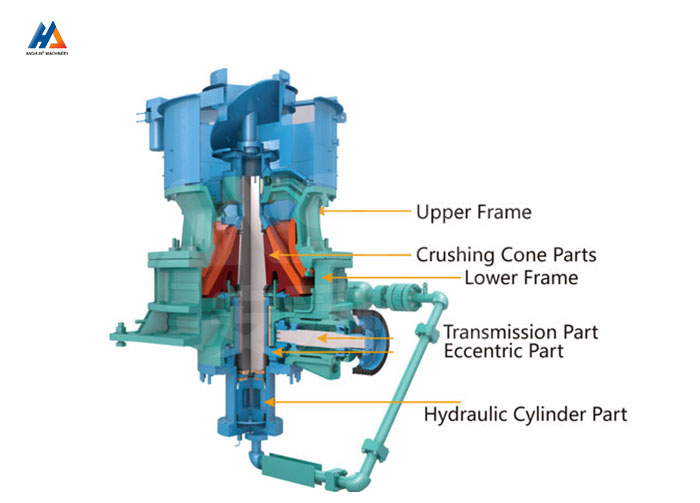
Feed material enters the crushing chamber between the mantle (moving cone) and the concave (fixed cone). The eccentric sleeve drives the main shaft in an oscillating motion - on each forward stroke the mantle compresses material against the concave, fracturing it; on the return stroke, broken material drops toward the CSS discharge gap and exits when it reaches the set size.
The base-mounted hydraulic cylinder maintains the CSS gap under load and adjusts it on command from the PLC panel. If an uncrushable object enters the chamber, the cylinder allows the gap to open momentarily to pass the object, then resets automatically to the set CSS. The PLC logs the event, monitors oil temperature and pressure continuously, and shuts down the crusher safely if any parameter exceeds its limit.
Get Quote
FAQ
When Should I Choose a Single-cylinder Hydraulic Cone Over a Multi-cylinder HPT?
Single-cylinder cones offer simpler hydraulics, lower initial cost, and easier site maintenance – well suited to medium-hard materials and operations where budget and maintenance simplicity matter. Multi-cylinder HPT cones provide greater holding force, finer CSS control, and better performance on very hard, abrasive materials (basalt, quartzite, iron ore) at high throughput. For mixed-hardness feed or budget-sensitive operations, the single-cylinder is the practical choice.
How Does Hydraulic CSS Adjustment Compare to Spring Cone Adjustment?
Spring cones require manually changing spring pre-load to adjust CSS – a time-consuming task requiring the machine to be stopped. Hydraulic adjustment is done from the control panel in under two minutes while the crusher runs. Auto-reset after an uncrushable object also eliminates the manual spring re-tightening that spring cones require after each tramp iron event.
How Long do Mn18 Liners Last on Granite?
On granite (200–260 MPa), Mn18 mantles typically run 500–900 hours before replacement depending on CSS setting and feed gradation. Weekly visual checks are recommended; plan change-outs during scheduled maintenance windows. OEM Mn18 mantle and concave sets are stocked for all CS/CH models.
Can the CS and CH Heads be Used in Series in the Same Circuit?
Yes – this is the standard configuration for a three-stage crushing line: primary jaw crusher → CS standard head secondary cone → CH short head tertiary cone → screen. The CS delivers 30–60 mm product to the CH, which produces the final 5–20 mm aggregate or manufactured sand feed. Both share the same hydraulic and PLC platform, simplifying operator training and spare parts inventory.
Is On-site Commissioning Support Available?
Remote commissioning support via video call is included at no charge. On-site engineer dispatch is available as an optional paid service — lead time and cost depend on location. Please discuss before purchase.