English

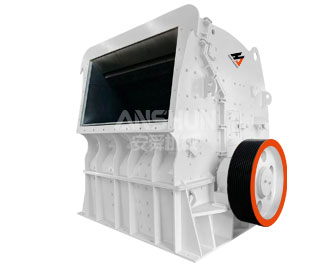
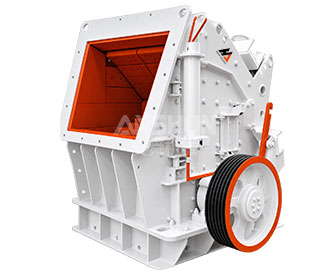
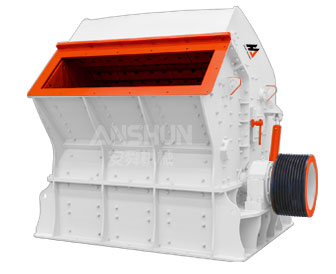
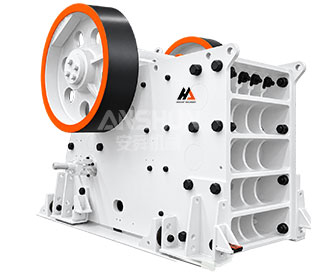
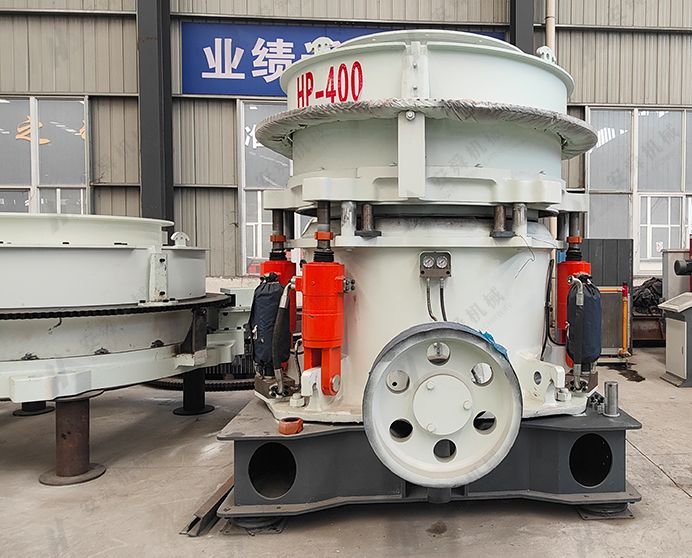
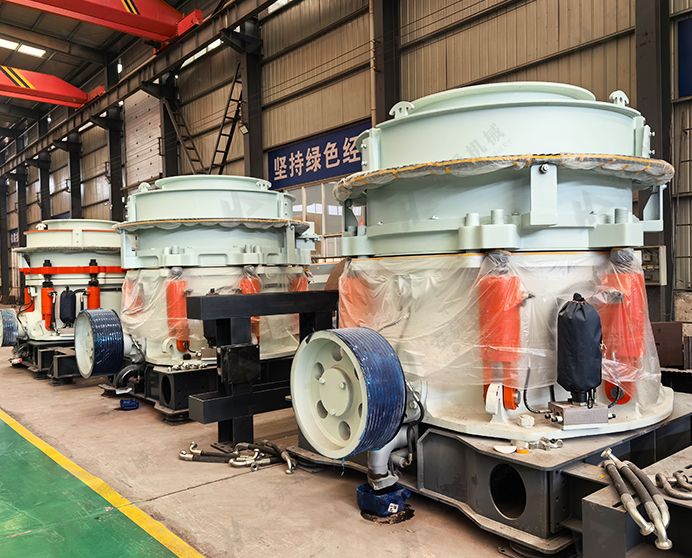
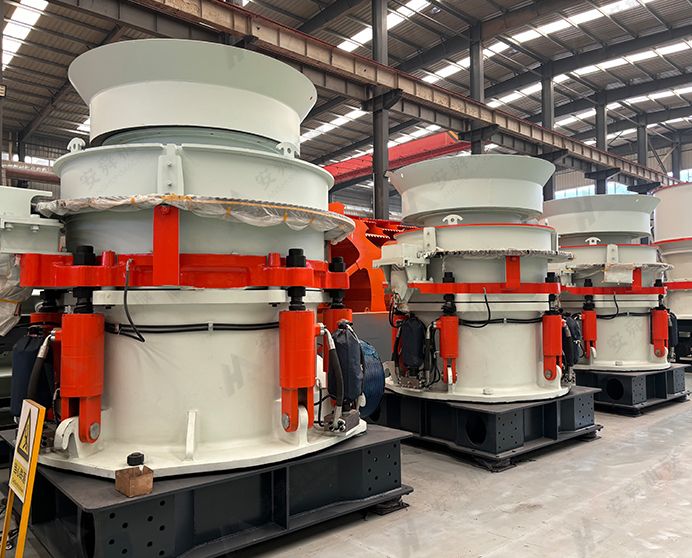
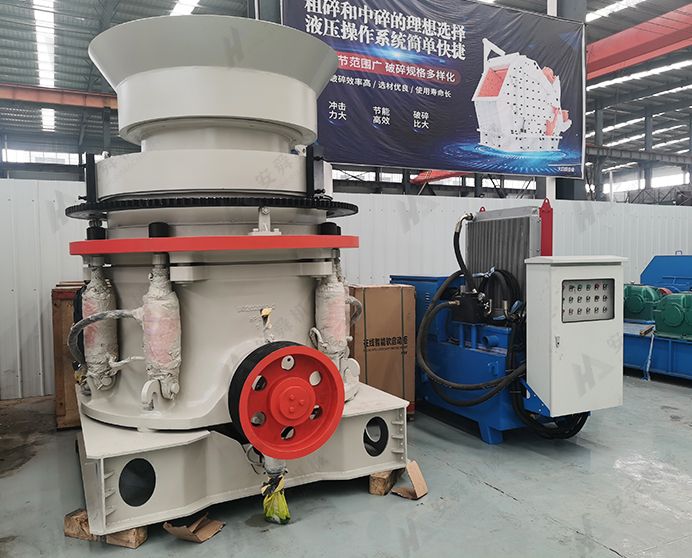
HPT Multi-Cylinder Hydraulic Cone Crusher
Model: HPT Series · Secondary & Tertiary Crushing · Hard Rock & Ore
-
Capacity
45-1200t/h
-
Feed Size
≤352mm
-
Power
90-630kw
- ISO9001
- CE
- EAC
We reply within 24 hours
Product Overview
What is a HPT Multi-Cylinder Hydraulic Cone Crusher?
The HPT multi-cylinder hydraulic cone crusher is a high-performance secondary and tertiary crusher built for hard, abrasive materials where single-cylinder or spring cone crushers reach their limits. Multiple hydraulic cylinders support the main frame from below, providing greater holding force and more precise CSS control than a single-cylinder design – delivering a tighter product gradation, higher reduction ratio, and more consistent output even when feed hardness or size varies.
Six models – HPT100 through HPT800 – cover capacities from 45 t/h up to 1,200 t/h, each available in up to five cavity configurations from Extra Coarse to Extra Fine. This range makes the HPT series suitable for primary secondary crushing in large mine circuits, as well as fine tertiary crushing in high-specification aggregate and sand production lines.
The PLC intelligent control system monitors key operating parameters in real time – oil temperature, pressure, CSS position, and power draw – and adjusts automatically to protect the machine and maintain output quality without operator intervention.
Applicable Materials
Granite, Basalt, Quartzite, River pebble, Iron ore, Copper ore, Limestone, Hard rock compressive strength ≤350 MPa.
Industries
Metal Mining, Hard Rock Quarrying, Aggregate & Sand Production, Highway, Railway & Hydraulic Engineering, Cement & Building Materials.
Technical Specifications
|
HPT Series Multi-Cylinder Hydraulic Cone Crusher - Cavity & Feed Parameters |
||||||
|
Model |
Cavity |
Open Side Feeding Size(mm) |
Closed Side Feeding Size(mm) |
Min Discharge Port Size(mm) (mm) |
Capacity(t/h) |
Max Installed Power(kw) |
|
HPT100 |
C1(Extra coarse) |
175 |
140 |
19 |
450-100 |
90 |
|
C2(Coarse) |
125 |
105 |
13 |
|||
|
M(Medium) |
100 |
70 |
10 |
|||
|
F1(Fine) |
71 |
50 |
9 |
|||
|
F2(Extra fine) |
33 |
20 |
6 |
|||
|
HPT200 |
C2(Coarse) |
235 |
190 |
19 |
65-250 |
160 |
|
M(Medium) |
171 |
120 |
16 |
|||
|
F1(Fine) |
150 |
95 |
13 |
|||
|
F2(Extra fine) |
116 |
70 |
8 |
|||
|
HPT300 |
C1(Extra coarse) |
265 |
230 |
25 |
85-440 |
220 |
|
C2(Coarse) |
240 |
210 |
20 |
|||
|
M(Medium) |
190 |
150 |
15 |
|||
|
F1(Fine) |
145 |
105 |
11 |
|||
|
F2(Extra fine) |
120 |
80 |
8 |
|||
|
HPT400 |
C1(Extra coarse) |
360 |
290 |
30 |
135-625 |
315 |
|
C2(Coarse) |
310 |
250 |
25 |
|||
|
M(Medium) |
260 |
196 |
20 |
|||
|
F1(Fine) |
182 |
110 |
13 |
|||
|
F2(Extra fine) |
135 |
90 |
10 |
|||
|
HPT500 |
C1(Extra coarse) |
370 |
330 |
38 |
200-790 |
400 |
|
C2(Coarse) |
320 |
290 |
28 |
|||
|
M(Medium) |
245 |
210 |
22 |
|||
|
F1(Fine) |
180 |
130 |
13 |
|||
|
F2(Extra fine) |
150 |
95 |
10 |
|||
|
HPT800 |
C1(Extra coarse) |
450 |
352 |
38 |
265-1200 |
630 |
|
C2(Coarse) |
373 |
298 |
32 |
|||
|
M(Medium) |
340 |
275 |
25 |
|||
|
F1(Fine) |
280 |
230 |
16 |
|||
|
F2(Extra fins) |
235 |
150 |
10 |
|||
|
HPT Series - Capacity (t/h) by Discharge CSS Setting |
||||||||||||
|
Outlet model |
6mm |
8mm |
10mm |
13mm |
16mm |
19mm |
22mm |
25mm |
32mm |
38mm |
45mm |
51mm |
|
HPT100 |
45-55 |
50-60 |
55-70 |
60-80 |
70-90 |
75-95 |
80-100 |
90-115 |
100-150 |
|
|
|
|
HPT200 |
|
65-85 |
90-125 |
110-115 |
135-180 |
150-195 |
160-210 |
170-225 |
190-235 |
210-250 |
|
|
|
HPT300 |
|
85-120 |
115-140 |
150-185 |
180-220 |
200-240 |
220-260 |
235-290 |
250-320 |
300-380 |
350-440 |
|
|
HPT400 |
|
|
135-180 |
190-230 |
225-276 |
250-320 |
270-350 |
295-380 |
290-375 |
355-490 |
410-565 |
460-625 |
|
HPT500 |
|
|
200-250 |
230-290 |
280-350 |
320-400 |
345-430 |
370-460 |
405-535 |
445-605 |
510-700 |
580-790 |
|
HPT800 |
|
|
265-340 |
320-425 |
385-510 |
425-540 |
470-605 |
495-740 |
545-800 |
600-945 |
690-1050 |
785-1200 |
★The production capacity table can be used as a tool for the preliminary selection of the HPT cone crusher. The data in the table are based on the loose density of the material of 1.6t/m³ and the measurement results of instant sampling; when the content of fine particles in the feed is high and under closed-circuit operating conditions, the equipment The capacity can be improved by about 15%-30% compared with open circuit operation.
HPT Multi-Cylinder Hydraulic Cone Crusher Grain Size Distribution Curve
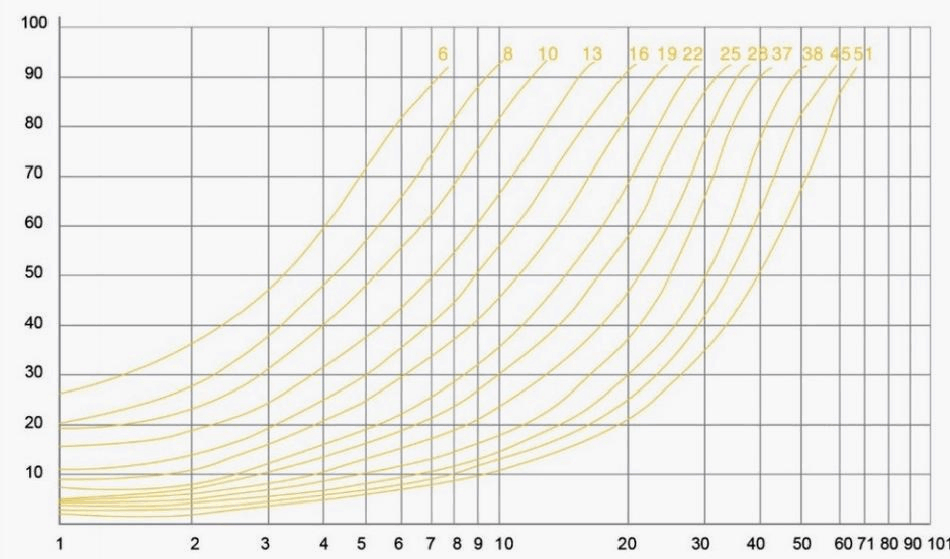
Square hole sieve size (mm)
★Particle size and production capacity are related to feed particle size, crushing cavity type, material density, moisture content, soil and mud content, etc.
Key Features & Advantages
-
Forged 42CrMo Main Shaft - Strength, Toughness, Deep Hardenability
The main shaft is forged from 42CrMo chromium-molybdenum alloy steel. Forging produces a dense, defect-free grain structure; chromium-molybdenum alloying delivers combined high strength, toughness, and hardenability that the heavy eccentric loads of cone crushing demand - well beyond plain carbon or low-alloy steels.
-
Copper Alloy Eccentric Sleeve Bearing - Low Friction, High Wear Resistance
The eccentric sleeve runs on copper alloy bearings engineered for the continuous high-load, oscillating motion of cone crusher operation. Copper alloy provides superior wear resistance and lower running friction than ferrous alternatives, extending bearing service life and reducing operating temperature under sustained high-load duty.
-
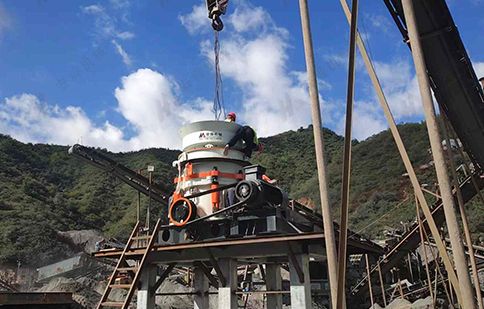
Mn18 High-Manganese Liner Plates - Maximum Work-Hardening Capacity
Mantle and concave liners are cast from Mn18 high-manganese steel. The elevated manganese content (18%) increases austenite stability and maximizes the work-hardening response under impact and compressive load - the contact surface hardens progressively in service, delivering longer liner life than standard Mn13 on hard abrasive feed.
-
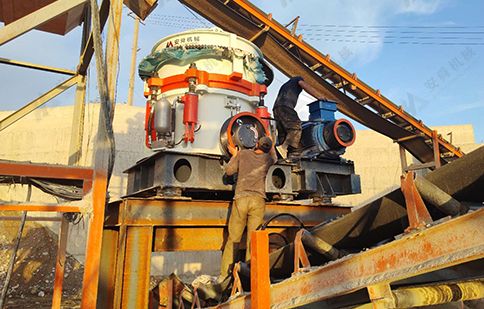
PLC Intelligent Control System - Automated Protection and Optimization
The PLC system monitors oil temperature, pressure, CSS position, and motor power draw in real time. It automatically adjusts operating parameters to protect the machine from overload, uncrushable objects, and lubrication failure - and alerts the operator before a fault becomes a breakdown. CSS can be adjusted remotely without stopping the crusher.
-
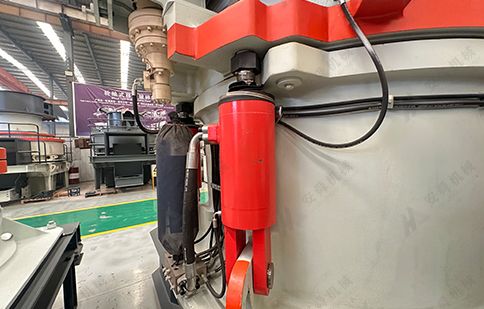
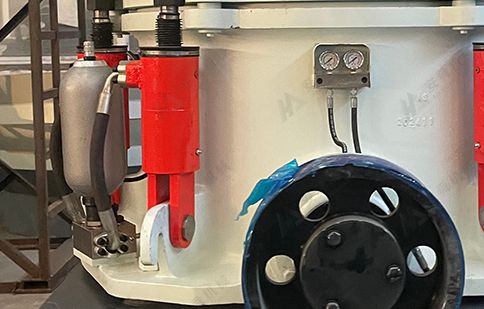
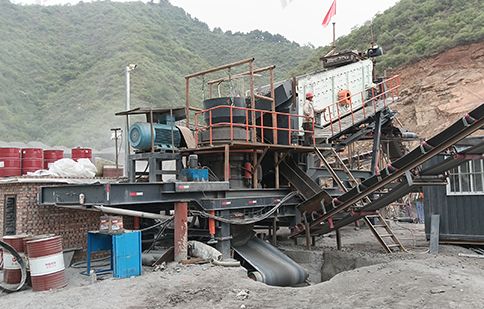
Multi-Cylinder Hydraulic Support - Precise CSS, High Holding Force
Multiple hydraulic cylinders support the main frame and control the CSS with greater precision and holding force than single-cylinder designs. Under peak crushing loads from hard, irregular feed, the multi-cylinder system maintains consistent gap geometry - producing tighter product gradation and reducing oversize recirculation to the tertiary stage.
What Is the Working Principle Of the HPT Multi-Cylinder Hydraulic Cone Crusher
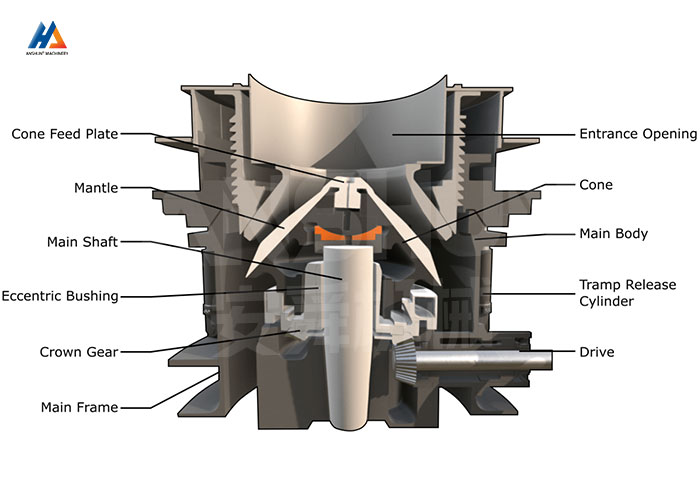
Feed material enters the crushing chamber between the mantle (moving cone) and the concave (fixed cone). The main shaft is driven in an eccentric oscillating motion by the eccentric sleeve - as the mantle moves toward the concave on each stroke, material is compressed and fractured; as the mantle moves away, broken material drops toward the discharge opening at the CSS gap.
The multi-cylinder hydraulic system maintains consistent CSS pressure throughout the crushing cycle. If an uncrushable object enters the chamber, the hydraulic system allows the CSS to open momentarily to pass the object, then automatically resets to the set CSS - protecting the machine without operator intervention. The PLC logs the event and alerts the operator. Lubrication is supplied by a dedicated closed-loop oil system, with temperature and pressure monitored continuously by the PLC.
Get Quote
FAQ
When Should I Choose a Multi-cylinder HPT Over a Single-cylinder or Spring Cone?
For hard, abrasive materials (basalt, quartzite, iron ore) and high-throughput applications, the HPT multi-cylinder’s greater holding force and PLC control deliver tighter product gradation and lower cost per ton. For medium-hard materials at moderate throughput, a single-cylinder hydraulic or spring cone offers adequate performance at lower initial cost and simpler site maintenance.
How is the CSS Adjusted on the HPT Series?
CSS is adjusted via the PLC control panel – the hydraulic system raises or lowers the main shaft to the target gap position without stopping the crusher. Adjustment takes under two minutes and is logged by the PLC. Manual backup adjustment is also available.
How Often do Mn18 Liners Need to be Replaced?
Liner life depends on material hardness, CSS, and throughput. On granite, Mn18 mantles typically run 400–800 operating hours before replacement. On softer limestone, life is considerably longer. We recommend monitoring liner wear weekly and planning change-outs during scheduled maintenance windows rather than running liners to failure.
Can the HPT Operate if one Hydraulic Cylinder Fails?
The PLC will detect the pressure drop and flag the fault immediately. The machine should be stopped and the faulty cylinder serviced before resuming production. Operating with a failed cylinder risks uneven CSS load distribution, which can accelerate liner wear and damage the main frame. Hydraulic cylinder seals and components are stocked for all HPT models.
Is On-site Commissioning Support Available?
Remote commissioning support via video call is included at no charge. On-site engineer dispatch is available as an optional paid service — lead time and cost depend on location. Please discuss before purchase.