English

Construction
Concrete & Structural
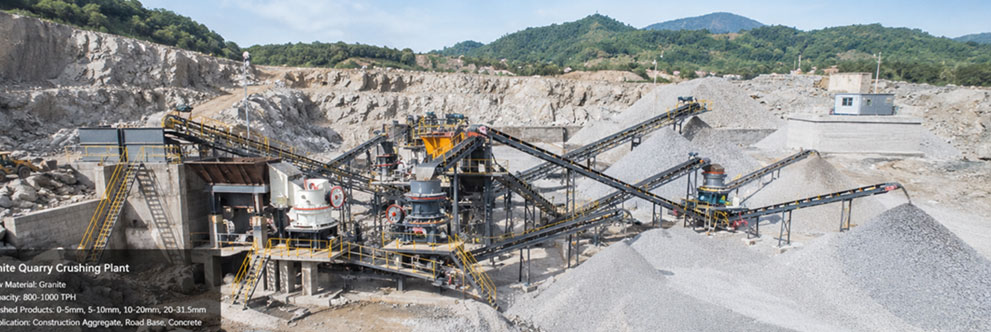
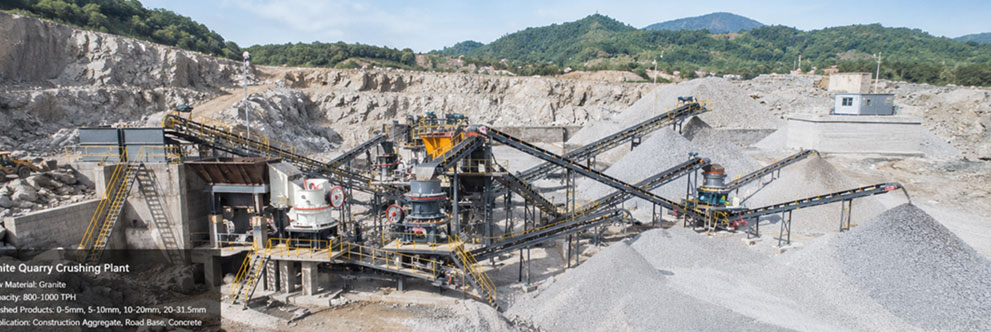
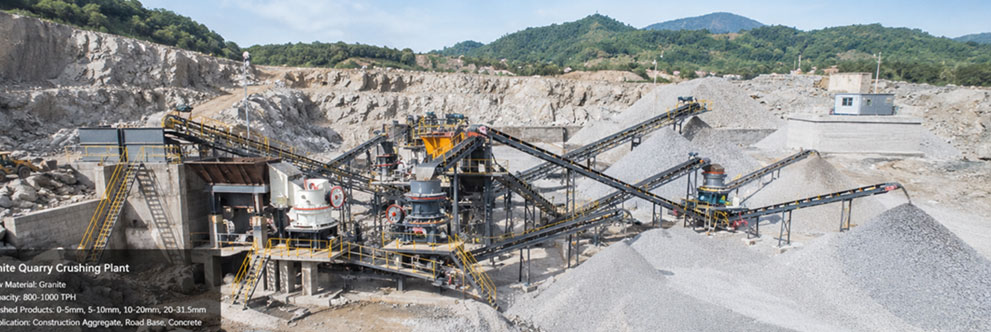
Granite is one of the hardest and most abrasive natural stones. Our equipment handles the toughest granite quarrying conditions — reliably and at scale.
6-7
Very High
100–300 MPa
2.6–2.8 t/m³
Granite's Mohs 6–7 hardness places it at the upper limit of what standard crushers handle comfortably. Primary crushing demands a jaw crusher with a deep, reinforced crushing chamber and a high-powered motor to maintain consistent throughput without stalling under peak load.
The high silica content in granite is highly abrasive. Jaw plates, cone liners, and screen media wear significantly faster than on softer materials. Equipment selection and liner material grade directly affect operating costs - manganese steel grades and liner geometry must be matched to the feed size and reduction ratio.
Run-of-mine granite often arrives in large, irregular blocks with sharp edges. The sudden impact loads during primary crushing create stress spikes in the crusher frame. A properly rated jaw crusher with a heavy flywheel absorbs these peaks and protects the drivetrain.
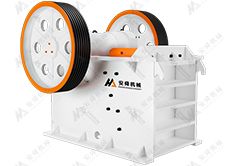
PE-900×1200
Primary
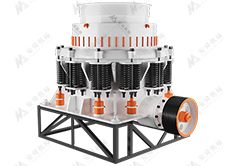
HPT300
Secondary
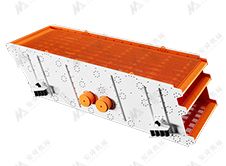
3YK2460
Screening
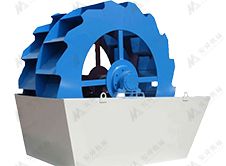
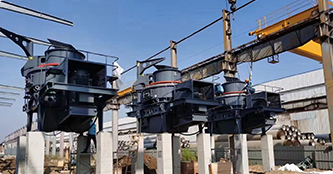
VSI-7611
Tertiary
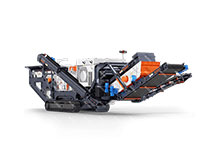
0–5 / 5–10
10–20 / 20–31mm
Aggregate + sand
Production Capacity
300–500 t/hMax Feed Size
≤750 mmOutput Size Range
0–31.5 mmConcrete mixing, mortar
Concrete aggregate, asphalt
Structural concrete, road base
Foundation fill, drainage
Concrete & Structural
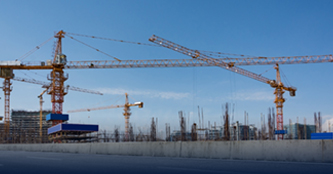
Base layer & Asphalt
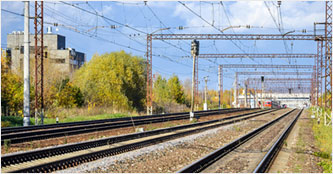
Track bed Aggregate
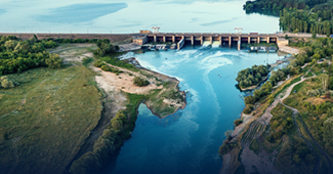
Dam & Embankment
A jaw crusher is the standard choice for granite primary crushing. Its compressive crushing action suits the hardness, and the simple chamber geometry is easy to maintain in quarry conditions. For very high capacities above 800 t/h, a gyratory crusher may be considered.
Faster than on most other materials. Jaw plate life on granite typically runs 300–600 operating hours depending on liner grade and feed size. We recommend keeping a spare set on site to avoid unplanned downtime. Our engineers can advise on the right liner specification for your specific granite source.
Yes. Granite is one of the most common materials for manufactured sand production. A VSI (vertical shaft impact) crusher in the third stage shapes the particles and produces a well-graded 0–5mm product that meets most concrete sand standards.
Yes. We supply everything from the primary jaw crusher through to final screening and stockpiling, including conveyors, feeders, and control systems. We also provide site layout, installation supervision, and commissioning support.
A complete three-stage 300 t/h granite crushing and screening plant typically requires 500–700 kW of installed power, depending on the number of crushing stages and screen decks. We provide a full power and load analysis as part of the proposal.
Tell us your raw material, output, and finished product requirements, and we will provide you with equipment configuration solutions and quotes within 24 hours.
Contact us now via email: info@ascrusher.com, or WhatsApp me, or fill in the form below.